Sage Deodorant
Low PFAS risk. Solid natural formulation, no concerning flags.
Weleda Sage Deodorant uses mineral and plant-based ingredients typical of natural cosmetics with minimal PFAS risk. No waterproofing, stain resistance, or nonstick coatings applied.
We flunk more products than we pass. This one earned its grade. How we grade
Material
Natural mineral powders and plant extracts
Brand disclosure
Brand is silent on PFAS
Lab data
No public lab test
You may also be interested in
Top-graded picks in the categories readers replace first, every one scored on the same rubric.

- polypropylene filter housing, carbon/sediment cartridge
- We found no PFAS statement from the brand
- Bacterial growth in spent cartridges
3 hazards checked on this product, all on its full breakdown.

Aquasure
Premier Series 75 GPD Under Sink Reverse Osmosis Water Filtration System
- RO membrane, carbon filters, stainless steel housing
- We found no PFAS statement from the brand
- Bacterial and microbial growth in housing and filters
4 hazards checked on this product, all on its full breakdown.

Avocado
Vegan Mattress
- organic cotton, natural latex, coconut coir, recycled steel coils
- The brand calls it PFAS-free, which we have not verified
- Heavy metals
2 hazards checked on this product, all on its full breakdown.
What Sage Deodorant is made of, ingredients and materials
Weleda Sage Deodorant is formulated with natural mineral powders (primarily talc-free options in current formulations) and sage plant extract as the active ingredient. The absence of synthetic fragrance chemicals, parabens, and aluminum salts reduces exposure to common cosmetic allergens and endocrine-disrupting compounds. Mineral powders provide absorbency without requiring synthetic polymer coatings or antimicrobial additives that carry higher chemical burden.
What’s concerning
Category baseline
The starting point for this type of product, before anything specific to this product is counted.
No PFAS disclosure
No public statement from the brand about PFAS in this product.
Fragrance allergens (including sensitizers from plant extracts)
Sage extract can trigger contact dermatitis or photosensitivity in individuals with fragrance sensitivity, though this is not specific to Weleda. Full ingredient transparency allows patch testing before regular use; no brand-specific allergen incidents are on record.
What’s reassuring
Base material not linked to PFAS
The main material recorded for this product is not one associated with PFAS.
Heavy metals
Weleda's current formulations are documented as talc-free or use cosmetic-grade talc with supplier certification. No published recalls or regulatory findings link Weleda Sage Deodorant to asbestos or lead contamination.
Source, FDA ↗Formaldehyde / VOCs
Weleda does not disclose the use of formaldehyde-releasing preservatives or parabens in this line. Organic certification precludes synthetic preservative systems most commonly linked to contact dermatitis.
Source, ATSDR ↗Heavy metals
No regulatory findings or recalls document heavy metal contamination in Weleda deodorants. Organic and NATRUE certification includes supplier audits for metal contaminants in mineral and plant ingredients.
Source, FDA ↗Microplastic or polymer beads
Weleda Sage Deodorant does not list synthetic polymer spheres or microbeads in disclosed formulations. Mineral powders are naturally biodegradable.
How is this PFAS grade calculated?
The brand's record and disclosure
Weleda is certified organic by Ecocert and NATRUE, and publishes full ingredient lists without withholding fragrance compounds under blanket 'fragrance' terms. The brand has a documented 80-year history of transparency and has not faced recalls or regulatory action related to heavy metal contamination or unlisted allergens. Weleda does not claim PFAS-free status publicly, but their plant-extract-based approach and absence of water-resistant or antimicrobial coatings makes PFAS contamination unlikely.
How it compares in its category
Most conventional deodorants contain aluminum antiperspirant salts, synthetic fragrances, and microplastic spheres; antiperspirant-free mineral deodorants are significantly less common. Weleda's formulation sits in the upper tier of transparency and ingredient purity for the natural deodorant segment. However, it sacrifices antiperspirant efficacy, making it suited for odor control rather than sweat reduction compared to mass-market alternatives.
If you buy it
Apply sparingly to clean, dry skin to avoid paste buildup and staining. Mineral deodorants work best in moderate climates and do not require replacement based on heat exposure; discard if the texture becomes gritty or separates due to age or humidity. Keep the cap sealed to prevent moisture ingress, which can degrade the mineral suspension over 12-18 months of storage.
What is not known about PFAS in this product?
- Basis
- Model estimate, 72% confidence, not a lab result
- Lab test
- None on record for this exact product
- Brand statement
- Weleda has made none
Formulations change between production runs, so check the current label. How we grade.
What are the PFAS-free alternatives to Sage Deodorant?
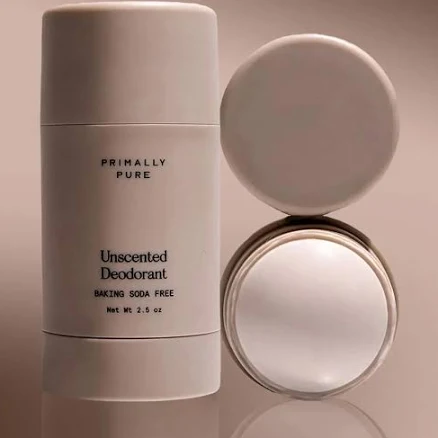
- mineral-based powder blend (arrowroot, magnesium hydroxide, mica)
- We found no PFAS statement from the brand
- Skin irritation from magnesium hydroxide alkalinity
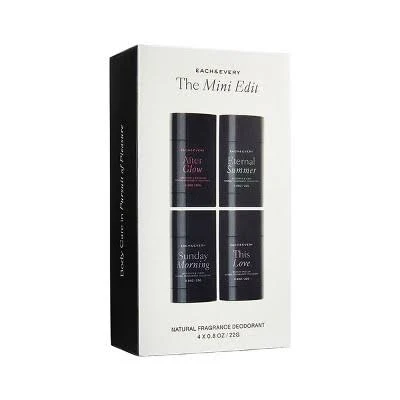
- cosmetic formulations, primary ingredients listed
- A third party reports verifying it as PFAS-free
- Fragrance allergens (natural essential oils)
2 hazards checked on this product, all on its full breakdown.
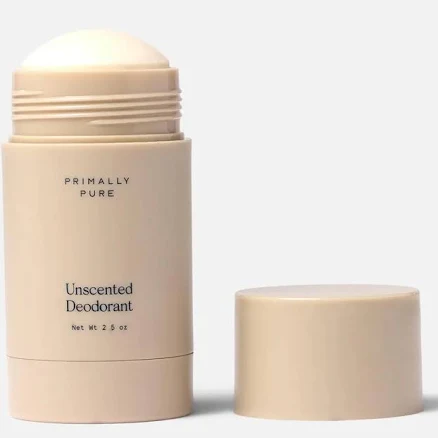
- natural mineral powders, plant-based actives, beeswax
- We found no PFAS statement from the brand
- Beeswax purity and contamination
2 hazards checked on this product, all on its full breakdown.
More deodorant grades
How we score, every product runs through the same public 0-100 rubric based on materials, coatings, brand disclosure, lab findings, and recalls. See the full methodology → Spotted a mistake? Report an error.