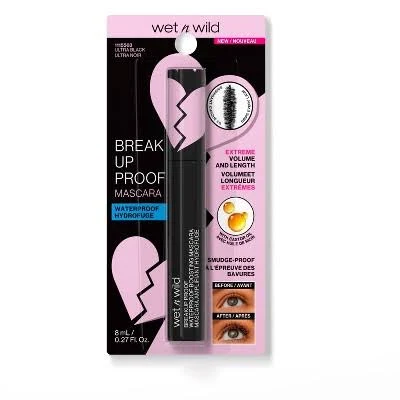
Wet n Wild · Waterproof Mascara
Wet n Wild Breakup Proof Waterproof Boosting Mascara
Waterproof mascara with undisclosed coating; PFAS risk unclear without lab testing.
Wet n Wild's waterproof mascara formula uses a proprietary coating not publicly detailed for PFAS presence. No lab data or brand PFAS claims available. Concern level cannot be reliably determined.
The better-graded swap
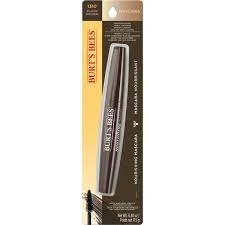
Burt's Bees
Burt's Bees 100% Natural Nourishing Mascara, Black Brown
75/100 safety
Same rubric that flunked this product. The swap earned Excellent.
Still want this one anyway? Check the price on Amazon. We’d swap it.
Material
proprietary waterproof coating on mascara base
Brand disclosure
Brand is silent on PFAS
Lab data
No public lab test
You may also be interested in
Top-graded picks in the categories readers replace first, every one scored on the same rubric.

- polypropylene filter housing, carbon/sediment cartridge
- We found no PFAS statement from the brand
- Bacterial growth in spent cartridges
3 hazards checked on this product, all on its full breakdown.

Aquasure
Premier Series 75 GPD Under Sink Reverse Osmosis Water Filtration System
- RO membrane, carbon filters, stainless steel housing
- We found no PFAS statement from the brand
- Bacterial and microbial growth in housing and filters
4 hazards checked on this product, all on its full breakdown.

Avocado
Vegan Mattress
- organic cotton, natural latex, coconut coir, recycled steel coils
- The brand calls it PFAS-free, which we have not verified
- Heavy metals
2 hazards checked on this product, all on its full breakdown.
What Wet n Wild Breakup Proof Boosting Mascara is made of, ingredients and materials
Wet n Wild Breakup Proof uses a proprietary waterproof coating over a conventional mascara base of waxes, film-formers, and pigments. The specific waterproof agent is not disclosed on packaging or publicly available safety data, which is standard industry practice but creates uncertainty about whether synthetic fluorochemicals (PFAS) are present. Waterproof mascaras require hydrophobic resins or silicones to resist water; these are typically associated with lower concern when applied topically, but the undisclosed formula prevents definitive assessment of coating concern.
What’s concerning
Waterproof / stain-resistant treatment
Water-repellent coating treatments have historically used PFAS.
Category baseline
The starting point for this type of product, before anything specific to this product is counted.
No PFAS disclosure
No public statement from the brand about PFAS in this product.
Formaldehyde / VOCs
Mascara formulas often contain preservatives that can release trace formaldehyde to prevent bacterial growth; Wet n Wild does not disclose preservative type. Risk is low with daily use and proper removal, but cumulative exposure from long-term mascara use is a recognized concern in cosmetics safety literature.
Source, ATSDR ↗Heavy metals
Mascara pigments may contain traces of lead, cadmium, or arsenic from natural mica or synthetic iron oxides. FDA does not set limits on these metals in eye products. Wet n Wild does not publish heavy metal testing; industry data suggests budget mascaras are not systematically screened for heavy metal content at higher rates than other brands.
Source, FDA ↗Fragrance allergens
This product contains 'fragrance' listed on the label, which is a catch-all term hiding dozens of undisclosed chemicals. Fragrance compounds can trigger contact dermatitis or sensitization around the eyelid; individuals with fragrance sensitivity should avoid products with this ingredient.
1,4-dioxane contamination (byproduct)
Some cosmetic emulsifiers and solvents used in waterproof mascaras can be contaminated with 1,4-dioxane, a probable carcinogen, as a manufacturing byproduct. Wet n Wild does not confirm whether supplier materials are distilled to remove this contaminant. Risk is low with topical use, but cumulative exposure is possible with daily eye product use.
Eye irritation from undisclosed waterproof coating
No specific recalls exist for this product, but waterproof mascaras broadly carry reports of eye stinging, redness, or contact sensitivity, particularly if removed inadequately. The proprietary coating in this product is untested publicly; individuals with sensitive eyes should test on one eye first or patch-test the remover on inner arm before full use.
How is this PFAS grade calculated?
The brand's record and disclosure
Wet n Wild is owned by Coty Inc. and operates under minimal transparency regarding chemical composition beyond regulatory minimums. The brand does not publish independent safety certifications, third-party testing results, or PFAS disclosure statements. No recalls specific to this mascara product are recorded in FDA databases, but the brand has faced historical criticism for limited ingredient transparency compared to competitors like Sephora-owned or clean beauty lines that voluntarily disclose more details.
How it compares in its category
Budget mascaras (under 10 USD) typically rely on less documented waterproof technologies than premium brands, which often highlight PFAS-free or natural-derived film-formers. Wet n Wild's price point and lack of specific waterproof claims (versus brands marketing wax-based or botanical alternatives) suggest reliance on standard synthetic coatings. Compared to mid-range waterproof mascaras (Maybelline, L'Oreal), Wet n Wild provides fewer published safety assurances but similar performance profiles.
If you buy it
Remove thoroughly every night with a gentle makeup remover or oil-based cleanser to prevent lash brittleness and buildup; waterproof mascaras require more aggressive removal. Replace every 3 months to minimize bacterial colonization in the wet formula. If redness, itching, or eye irritation develops, discontinue immediately and consider patch-testing on inner arm first if you have sensitive skin or contact lens use. Store in a cool, dry place and do not share applicators or tube.
What is not known about PFAS in this product?
- Basis
- Model estimate, 35% confidence, not a lab result
- Lab test
- None on record for this exact product
- Brand statement
- Wet n Wild has made none
Formulations change between production runs, so check the current label. How we grade.
What are the PFAS-free alternatives to Wet n Wild Breakup Proof Waterproof Boosting Mascara?
- Wax, pigments, natural oils (typical mascara base)
- Fragrance allergens and undisclosed sensitizers
2 hazards checked on this product, all on its full breakdown.
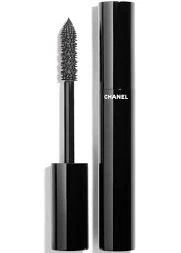
- pigments, waxes, polymers (unspecified)
- Lead
5 hazards checked on this product, all on its full breakdown.
Find an alternative on Amazon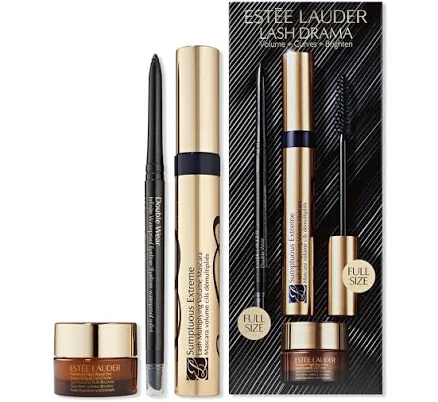
- pigments, waxes, film-formers in liquid mascara
- Heavy metals
5 hazards checked on this product, all on its full breakdown.
Find an alternative on AmazonMore waterproof mascara grades
How we score, every product runs through the same public 0-100 rubric based on materials, coatings, brand disclosure, lab findings, and recalls. See the full methodology → Spotted a mistake? Report an error.