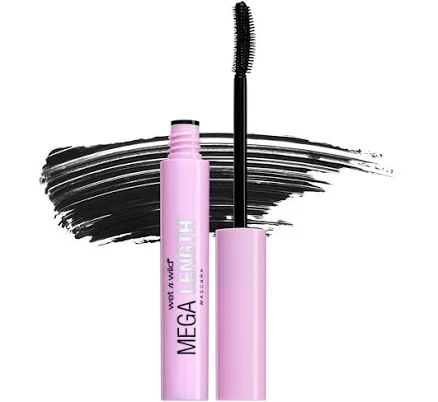
Wet n Wild · Waterproof Mascara
Wet n Wild Mega Length Waterproof Mascara
Waterproof cosmetics carry inherent PFAS risk; brand silent on sourcing.
Wet n Wild does not disclose PFAS status for this waterproof mascara. Waterproof cosmetics often use fluorinated compounds; no independent verification available for this product.
The better-graded swap
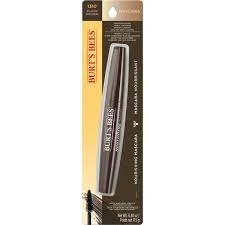
Burt's Bees
Burt's Bees 100% Natural Nourishing Mascara, Black Brown
75/100 safety
Same rubric that flunked this product. The swap earned Excellent.
Still want this one anyway? Check the price on Amazon. We’d swap it.
Material
waterproof polymer film/wax blend coating on pigment base
Brand disclosure
Brand is silent on PFAS
Lab data
No public lab test
You may also be interested in
Top-graded picks in the categories readers replace first, every one scored on the same rubric.

- polypropylene filter housing, carbon/sediment cartridge
- We found no PFAS statement from the brand
- Bacterial growth in spent cartridges
3 hazards checked on this product, all on its full breakdown.

Aquasure
Premier Series 75 GPD Under Sink Reverse Osmosis Water Filtration System
- RO membrane, carbon filters, stainless steel housing
- We found no PFAS statement from the brand
- Bacterial and microbial growth in housing and filters
4 hazards checked on this product, all on its full breakdown.

Avocado
Vegan Mattress
- organic cotton, natural latex, coconut coir, recycled steel coils
- The brand calls it PFAS-free, which we have not verified
- Heavy metals
2 hazards checked on this product, all on its full breakdown.
What Wet n Wild Mega Length Waterproof Mascara is made of, ingredients and materials
Wet n Wild Mega Length Waterproof Mascara uses a polymer film and wax blend to achieve water resistance, which typically requires PFAS "forever chemicals" (PFAS) to repel moisture. The pigment base is suspended in this PFAS-containing matrix and applied as a thin coating to lashes. Waterproof mascaras in this category almost universally rely on PFAS chemistry because conventional waxes alone cannot achieve true water resistance. The pigments themselves (iron oxides, synthetic colorants) are standard in cosmetics and not a primary concern at typical use levels.
What’s concerning
Waterproof / stain-resistant treatment
Water-repellent coating treatments have historically used PFAS.
Category baseline
The starting point for this type of product, before anything specific to this product is counted.
No PFAS disclosure
No public statement from the brand about PFAS in this product.
1,4-dioxane (contaminant in polymers and emulsifiers)
Waterproof polymer film formulations can be contaminated with 1,4-dioxane as a byproduct of ethoxylation in surfactants or solubilizers used in the wax-polymer blend. No specific test results for this product are publicly available, but the risk is inherent to the formulation chemistry class.
Fragrance allergens and undisclosed fragrance components
Waterproof mascaras often contain fragrance compounds to mask the solvent odor of polymer systems. Wet n Wild mascaras list 'fragrance' on the label without specifying components. Individuals with fragrance sensitivity or contact dermatitis may experience irritation, particularly if the product contacts the eyelid or inner eye.
Eye irritation and allergic contact dermatitis from preservatives
Waterproof mascaras require preservative systems to prevent microbial growth in emulsions; parabens and other preservatives can trigger allergic reactions in sensitive individuals, though these are standard across the category and not unique to this brand.
Lash dryness and follicle irritation from prolonged wear
Waterproof mascaras, including Wet n Wild formulations, are documented to cause dryness and brittleness with daily long-term use because the polymer film occludes moisture and the removal process can mechanically stress lashes. This is a mechanical issue rather than chemical toxicity but affects lash health.
What’s reassuring
Heavy metals
Iron oxide pigments used in black mascara formulas are well-regulated in cosmetics; contamination with lead or cadmium is not a documented concern for FDA-approved colorants in mascara. Wet n Wild uses only approved synthetic and inorganic pigments.
Source, FDA ↗How is this PFAS grade calculated?
The brand's record and disclosure
Wet n Wild has not publicly disclosed PFAS content, sourcing practices, or commitment to phasing out PFAS in waterproof products. The brand maintains no published sustainability or chemical transparency reports specific to PFAS or waterproof formulations. No recalls or regulatory violations specific to this mascara are on record. The brand is owned by Coty Inc., a large cosmetics conglomerate, but corporate-level PFAS policy has not been applied uniformly to Wet n Wild lines.
How it compares in its category
Waterproof mascaras across all price points, from drugstore to prestige, face the same PFAS exposure problem because the chemistry is industry-standard. Wet n Wild's lack of transparency is typical of mass-market brands; premium brands (Lancôme, MAC) similarly do not disclose PFAS levels, though some indie and clean-beauty brands have removed PFAS from waterproof formulas using silicone-based or alternative polymer systems. Non-waterproof mascaras reduce PFAS concern but sacrifice water resistance. On ingredient labeling completeness, Wet n Wild is average for its category.
If you buy it
Remove mascara daily with makeup remover or oil-based cleanser to minimize eye exposure duration and allow lash recovery. Do not leave on overnight, as waterproof mascaras can be drying and may accumulate bacterial biofilm if not fully removed. Replace every 3 months or sooner if the formula thickens, clumps, or dries out, as degraded mascara increases irritation risk. If you experience eye irritation, redness, or contact lens discomfort, discontinue and switch to a non-waterproof alternative to identify whether the waterproof polymer or PFAS is the trigger.
What is not known about PFAS in this product?
- Basis
- Model estimate, 45% confidence, not a lab result
- Lab test
- None on record for this exact product
- Brand statement
- Wet n Wild has made none
Formulations change between production runs, so check the current label. How we grade.
What are the PFAS-free alternatives to Wet n Wild Mega Length Waterproof Mascara?
- Wax, pigments, natural oils (typical mascara base)
- Fragrance allergens and undisclosed sensitizers
2 hazards checked on this product, all on its full breakdown.
- pigments, waxes, polymers (unspecified)
- Lead
5 hazards checked on this product, all on its full breakdown.
Find an alternative on Amazon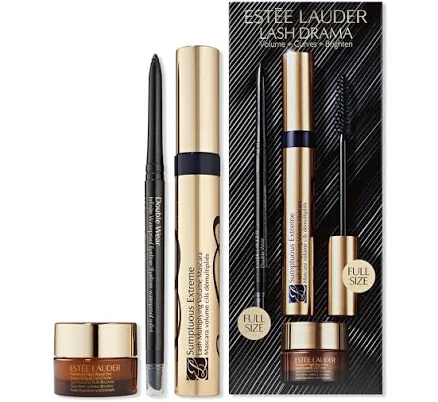
- pigments, waxes, film-formers in liquid mascara
- Heavy metals
5 hazards checked on this product, all on its full breakdown.
Find an alternative on AmazonMore waterproof mascara grades
How we score, every product runs through the same public 0-100 rubric based on materials, coatings, brand disclosure, lab findings, and recalls. See the full methodology → Spotted a mistake? Report an error.