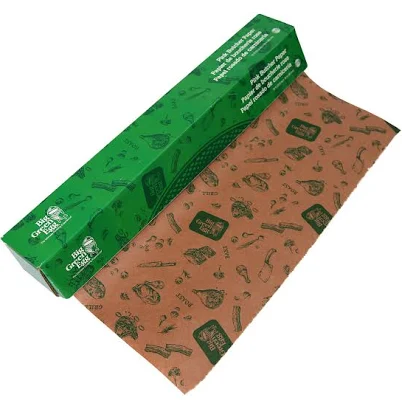
Big Green Egg · Grease-Resistant Butcher & Deli Paper
Big Green Egg Butcher Paper
Butcher paper likely contains PFAS water-repellent coating.
Butcher paper typically gets grease resistance from PFAS-based coatings for food contact. Whole Foods says nothing about PFAS transparency or safety for this line.
The better-graded swap
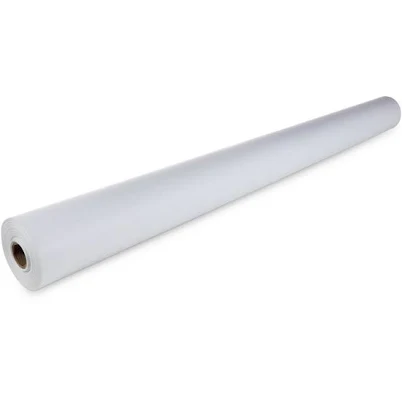
IDL Packaging
Idl Packaging White Butcher Paper 18" x 12000" Natural Butcher Paper Roll for Meat and Fish
95/100 safety
Same rubric that flunked this product. The swap earned Excellent.
Still want this one anyway? Check the price on Amazon. We’d swap it.
Material
paper with grease-resistant coating
Brand disclosure
Brand is silent on PFAS
Lab data
No public lab test
You may also be interested in
Top-graded picks in the categories readers replace first, every one scored on the same rubric.

- polypropylene filter housing, carbon/sediment cartridge
- We found no PFAS statement from the brand
- Bacterial growth in spent cartridges
3 hazards checked on this product, all on its full breakdown.

Aquasure
Premier Series 75 GPD Under Sink Reverse Osmosis Water Filtration System
- RO membrane, carbon filters, stainless steel housing
- We found no PFAS statement from the brand
- Bacterial and microbial growth in housing and filters
4 hazards checked on this product, all on its full breakdown.

Avocado
Vegan Mattress
- organic cotton, natural latex, coconut coir, recycled steel coils
- The brand calls it PFAS-free, which we have not verified
- Heavy metals
2 hazards checked on this product, all on its full breakdown.
What Big Green Egg Butcher Paper is made of, ingredients and materials
This is paper substrate treated with a grease-resistant coating to prevent oils and moisture from seeping through during meat storage and wrapping. The coating is almost certainly a fluorinated compound (PFAS-class) applied to achieve durable water and grease repellency, which is the defining feature of 'butcher paper.' The paper base itself is typically virgin or recycled kraft paper, which poses minimal hazard on its own; the coating is the concern. Whole Foods does not publicly disclose the specific chemistry of their coating or whether it is PFAS-free.
What’s concerning
Category baseline
The starting point for this type of product, before anything specific to this product is counted.
No PFAS disclosure
No public statement from the brand about PFAS in this product.
Waterproof / stain-resistant treatment
Water-repellent coating treatments have historically used PFAS.
PFAS
Grease-resistant coatings on butcher paper are predominantly PFAS-based; migration risk is low under cold storage but increases with heat, acidity, or fatty foods. No brand testing data is publicly available for this Whole Foods product.
Source, ATSDR ↗Coating migration under heat stress
If paper is used near heat sources (warming, oven wrapping, or direct contact with warm meat) or in acidic environments, the coating may degrade and transfer to food. No specific migration testing has been published for this product.
Lack of transparency on chemical identity
Whole Foods does not disclose the specific coating chemistry, fluorine source, or whether alternatives were evaluated. This opacity makes independent risk assessment difficult and reflects lower industry practice relative to leading competitors.
What’s reassuring
Microplastic or coating particulates
Paper-based products do not shed microplastics as risk; however, if the coating degrades mechanically (tearing, folding), fine coating debris could theoretically contact food. This is not a documented hazard for butcher paper in general.
Ink or printing additives (if printed)
If this product has printed text or branding, inks may contain heavy metals or solvents, but no recalls or warnings exist for Whole Foods butcher paper. Food-contact inks are regulated, and risk is low if printing is on the outer surface only.
How is this PFAS grade calculated?
The brand's record and disclosure
Whole Foods (Amazon-owned) has not published a formal position on PFAS in food packaging or a timeline for phasing them out, unlike some competitors such as Patagonia or certain European retailers. The company has made limited public commitments to packaging sustainability but has not addressed PFAS "forever chemicals" specifically in their butcher paper line. No recalls or safety warnings are on record for this product. This silence is notable given industry momentum toward PFAS disclosure in premium food brands.
How it compares in its category
Butcher paper is a standard commodity in the meat-wrapping category, and nearly all grease-resistant versions contain PFAS-based or PFAS-alternative coatings. Uncoated kraft paper and wax paper are PFAS-free alternatives but do not provide the same grease barrier. Some specialty producers (e.g., If You Care, Exo Packaging) market PFAS-free butcher paper using alternative chemistries, though these are harder to find at mainstream retailers. Whole Foods' product sits in the typical mainstream tier for convenience but lags on transparency compared to premium alternatives.
If you buy it
Use this paper for short-term room-temperature or refrigerated storage only; do not use it in contact with hot foods or in the oven, as heat can accelerate coating degradation and migration. Wrap meat directly and store in a cool environment; do not reuse sheets. Replace the paper immediately if it becomes visibly degraded, torn, or saturated. For long-term freezer storage or high-heat applications (smoking, wrapping for hot transport), seek uncoated kraft paper or certified PFAS-free alternatives from specialty suppliers.
What is not known about PFAS in this product?
- Basis
- Model estimate, 45% confidence, not a lab result
- Lab test
- None on record for this exact product
- Brand statement
- Big Green Egg has made none
Formulations change between production runs, so check the current label. How we grade.
What are the PFAS-free alternatives to Big Green Egg Butcher Paper?
IDL Packaging
White Butcher Paper 18" x 12000" Natural Butcher Paper Roll for Meat and Fish
- unbleached natural kraft paper
- The brand calls it PFAS-free, which we have not verified
- Mold or microbial growth
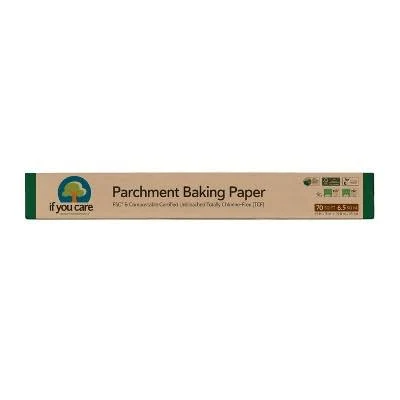
- unbleached parchment paper, silicone coating
- The brand calls it PFAS-free, which we have not verified
- Silicone coating degradation under heat stress
2 hazards checked on this product, all on its full breakdown.
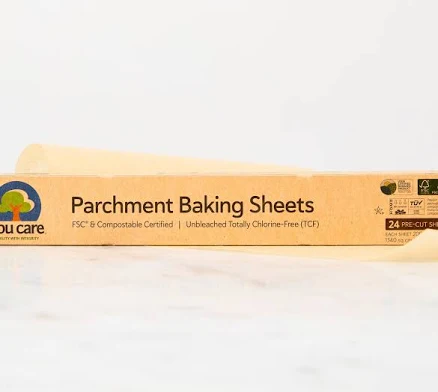
- Silicone-coated parchment paper
- The brand calls it PFAS-free, which we have not verified
- Silicone coating degradation at high heat
More grease-resistant butcher & deli paper grades
How we score, every product runs through the same public 0-100 rubric based on materials, coatings, brand disclosure, lab findings, and recalls. See the full methodology → Spotted a mistake? Report an error.