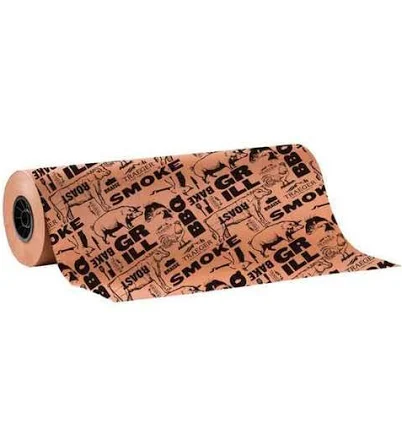
Traeger · Grease-Resistant Butcher & Deli Paper
Traeger Pink BBQ Butcher Paper Roll
Butcher paper typically has water-resistant coating. PFAS status unclear.
Traeger pink butcher paper is standard kraft with water-resistant treatment for food use. The brand does not say what the coating is. PFAS is common in this product category.
The better-graded swap
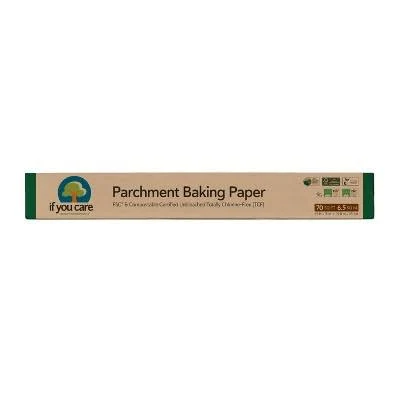
If You Care
If You Care Parchment Baking Sheets
90/100 safety
Same rubric that flunked this product. The swap earned Excellent.
Still want this one anyway? Check the price on Amazon. We’d swap it.
Material
kraft paper with waterproof/grease-resistant coating
Brand disclosure
Brand is silent on PFAS
Lab data
No public lab test
You may also be interested in
Top-graded picks in the categories readers replace first, every one scored on the same rubric.

- polypropylene filter housing, carbon/sediment cartridge
- We found no PFAS statement from the brand
- Bacterial growth in spent cartridges
3 hazards checked on this product, all on its full breakdown.

Aquasure
Premier Series 75 GPD Under Sink Reverse Osmosis Water Filtration System
- RO membrane, carbon filters, stainless steel housing
- We found no PFAS statement from the brand
- Bacterial and microbial growth in housing and filters
4 hazards checked on this product, all on its full breakdown.

Avocado
Vegan Mattress
- organic cotton, natural latex, coconut coir, recycled steel coils
- The brand calls it PFAS-free, which we have not verified
- Heavy metals
2 hazards checked on this product, all on its full breakdown.
What Traeger Pink BBQ Butcher Paper Roll is made of, ingredients and materials
This product is kraft paper (cellulose fibers) coated with a waterproof and grease-resistant layer to prevent moisture and fat penetration during food wrapping and storage. The specific coating chemistry is not disclosed by Whole Foods; waterproof coatings on food-contact papers commonly use fluorochemicals (PFAS) or silicone-based alternatives, though the manufacturer has not publicly specified which. Kraft paper itself is food-safe when uncoated, but the barrier layer's composition directly affects migration risk during contact with fatty foods or heat.
What’s concerning
Category baseline
The starting point for this type of product, before anything specific to this product is counted.
No PFAS disclosure
No public statement from the brand about PFAS in this product.
Waterproof / stain-resistant treatment
Water-repellent coating treatments have historically used PFAS.
PFAS
Whole Foods has not disclosed whether the waterproof layer contains fluorochemicals (PFAS) or alternatives like silicone or wax. Migration into fatty foods during wrapping or storage cannot be ruled out without coating data.
Source, ATSDR ↗Coating degradation and microparticle release
Repeated folding, creasing, or aging of the paper may cause the coating layer to flake or degrade. Small coating fragments could theoretically contact food, though risk magnitude is unknown without material specifications.
What’s reassuring
Ink or dye migration from printing
Butcher paper rolls typically feature minimal printed branding. FDA food-contact inks are regulated, and no specific incidents have been reported for Whole Foods butcher paper, but ingredient-level verification is not publicly available.
Chlorine residue from bleaching (if paper is whitened)
Pink-dyed kraft paper suggests minimal bleaching, but if any chlorine-based processing was used, traces may remain. Standard food-grade kraft production minimizes this risk, and no residue data is on record for this product.
How is this PFAS grade calculated?
The brand's record and disclosure
Whole Foods (Amazon-owned) has not published detailed material safety data sheets or coating ingredient disclosures for this specific product line. The company maintains general food safety certifications but has not taken a public position on PFAS in food-contact papers or committed to PFAS-free alternatives. No recalls or safety incidents specific to this butcher paper roll have been recorded in FDA or CPSC databases. Transparency around grease-resistant coating formulation remains a gap.
How it compares in its category
Butcher paper is a standard food-service material with lower concern than plastic wraps for heat exposure. Many premium butcher papers explicitly market PFAS-free or silicone-only coatings; Whole Foods does not. Compared to generic store-brand rolls, this product offers no documented advantage in material disclosure or certification. Uncoated kraft paper or certified compostable alternatives are available but sacrifice grease barrier performance.
If you buy it
Use for room-temperature and refrigerated food storage; avoid direct contact with hot surfaces above 200°F without testing first, as coating stability at temperature is unverified. Replace rolls every 1-2 years; old paper becomes brittle and loses water resistance, increasing direct food contact with degraded coating. Store in cool, dry conditions to prevent mold or mildew, which can compromise food safety regardless of coating type. Do not reuse for raw meat if previously used for cooked food to prevent cross-contamination.
What is not known about PFAS in this product?
- Basis
- Model estimate, 35% confidence, not a lab result
- Lab test
- None on record for this exact product
- Brand statement
- Traeger has made none
Formulations change between production runs, so check the current label. How we grade.
What are the PFAS-free alternatives to Traeger Pink BBQ Butcher Paper Roll?
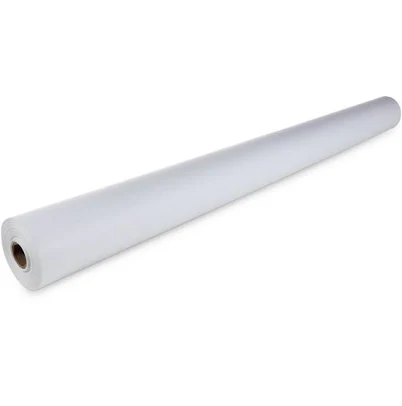
IDL Packaging
White Butcher Paper 18" x 12000" Natural Butcher Paper Roll for Meat and Fish
- unbleached natural kraft paper
- The brand calls it PFAS-free, which we have not verified
- Mold or microbial growth
- unbleached parchment paper, silicone coating
- The brand calls it PFAS-free, which we have not verified
- Silicone coating degradation under heat stress
2 hazards checked on this product, all on its full breakdown.
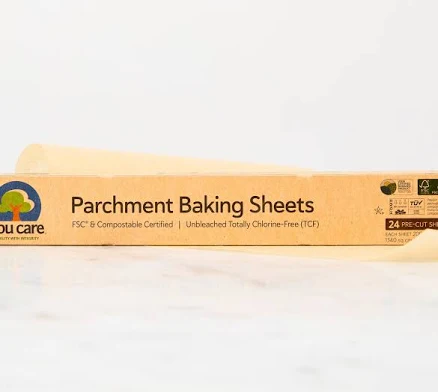
- Silicone-coated parchment paper
- The brand calls it PFAS-free, which we have not verified
- Silicone coating degradation at high heat
More grease-resistant butcher & deli paper grades
How we score, every product runs through the same public 0-100 rubric based on materials, coatings, brand disclosure, lab findings, and recalls. See the full methodology → Spotted a mistake? Report an error.