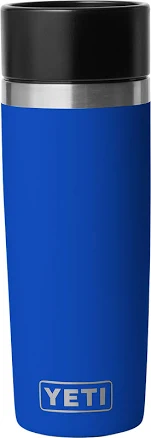
YETI Rambler · Portable Water Bottles
YETI Rambler 16 oz Travel Bottle in Royal Blue
Low risk. Stainless steel core presents no known PFAS risk.
YETI Rambler uses stainless steel and foam insulation without reported Teflon-family coating treatments. No public PFAS claims available, but materials suggest lower concern.
We flunk more products than we pass. This one earned its grade. How we grade
Material
Stainless steel body, foam insulation, plastic/rubber components
Brand disclosure
Brand is silent on PFAS
Lab data
No public lab test
What YETI Rambler 16 oz Travel Bottle in Royal is made of, ingredients and materials
The Rambler 16 oz uses a stainless steel interior and exterior with closed-cell foam insulation between layers, plus rubber gaskets and a plastic/elastomer lid assembly. Stainless steel does not leach heavy metals or degrade into the beverage under normal use, and foam insulation (typically polyurethane or expanded polystyrene) is inert once cured and sealed inside. The sealing components are the functional weak point, rubber gaskets can degrade over years of thermal cycling and washing, and plastic lid parts may release trace compounds if exposed to prolonged heat or solvents.
What’s concerning
Category baseline
The starting point for this type of product, before anything specific to this product is counted.
No PFAS disclosure
No public statement from the brand about PFAS in this product.
Rubber gasket and elastomer degradation
Silicone or rubber seals can soften, lose elasticity, or develop microcracks after repeated thermal cycling and washing, potentially allowing slow leakage or bacterial colonization. No field failures reported for Rambler seals, but this is a normal wear item.
Adhesive or sealant degradation between layers
The foam-to-steel bond relies on industrial adhesives that can fail under extreme or prolonged temperature stress (freezing, repeated boiling). This is rare but would manifest as visible swelling or separation of the layers, not invisible chemical leaching.
What’s reassuring
Base material not linked to PFAS
The main material recorded for this product is not one associated with PFAS.
Plastic lid leaching (low-temperature risk)
The lid assembly uses thermoplastic or elastomer components that may release trace organic compounds only under prolonged heat (above 140 degrees F sustained). Normal beverage use (cold, room temperature, or warm drinks) poses no established leaching risk.
Foam insulation off-gassing
The foam core is sealed between steel layers and does not contact the beverage directly, eliminating off-gassing risk into your drink. No evidence of volatile organic compound release into the interior.
Stainless steel corrosion or leaching
Grade 18/8 stainless steel (standard in this product) is highly resistant to corrosion from water, beverages, and common acids. No credible reports of nickel, chromium, or iron migration into liquids stored in Rambler bottles.
The full breakdown
The brand's record and disclosure
YETI provides material specifications for the Rambler line and does not claim BPA-free certification (though the product contains no known BPA). The brand has not published comprehensive testing for volatile organics or heavy metals in lid/seal materials. YETI has faced no major safety recalls on drinkware related to leaching or coating failure. The company is generally responsive to consumer complaints but maintains minimal public disclosure on insulation chemistry or seal material sourcing.
How it compares in its category
This product is categorized as a water bottle, not a water filter, so direct comparison to filter pitchers or faucet systems does not apply. Versus other premium stainless steel insulated bottles (Hydro Flask, Contigo, S'well), the Rambler offers comparable material safety and durability. Unlike some cheaper vacuum bottles with unknown insulation foams, YETI's construction is transparent and its stainless steel core is a lower-risk baseline.
If you buy it
Hand-wash the lid and gasket regularly to prevent bacterial biofilm buildup in crevices; do not place in the dishwasher if you want to extend seal life. Avoid filling with boiling water repeatedly or leaving hot beverages in the bottle for extended periods, as this accelerates rubber degradation. Replace the gasket and lid seal every 2-3 years if you use the bottle daily; YETI sells replacement lids affordably. Do not soak the entire bottle in bleach or harsh solvents, as these can degrade adhesives between the steel and foam layers.
What we don’t know
- Basis
- Model estimate, 72% confidence, not a lab result
- Lab test
- None on record for this exact product
- Brand statement
- YETI Rambler has made none
Formulations change between production runs, so check the current label. How we grade.
Better-graded alternatives in Portable Water Bottles
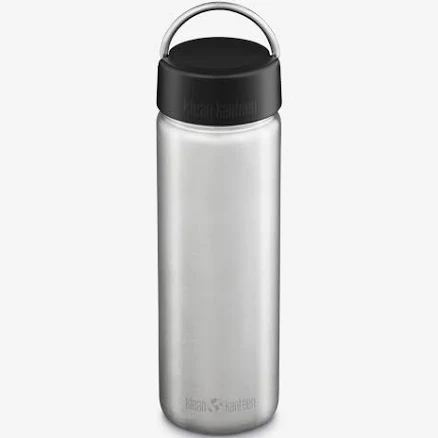
Klean Kanteen
27oz Wide Water Bottle with Loop Cap
- 18/8 stainless steel, no interior coating
- The brand calls it PFAS-free, which we have not verified
- Cap or closure contamination
2 hazards checked on this product. See all of them.
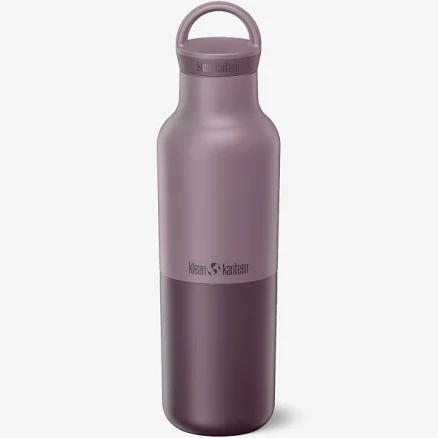
Klean Kanteen
Rise Classic Insulated Water Bottle
- stainless steel body, foam insulation, stainless steel cap
- The brand calls it PFAS-free, which we have not verified
- Cap gasket and seal contamination
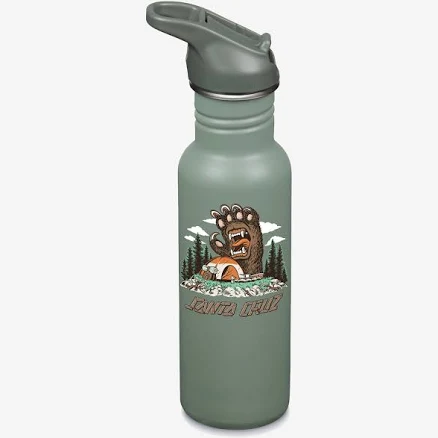
Klean Kanteen
Classic Flip Seal Sport Cap
- Stainless steel bottle, plastic flip cap
- The brand calls it PFAS-free, which we have not verified
- Plastic cap degradation and microplastic shedding
3 hazards checked on this product. See all of them.
More portable water bottles grades
How we score, every product runs through the same public 0-100 rubric based on materials, coatings, brand disclosure, lab findings, and recalls. See the full methodology → Spotted a mistake? Report an error.