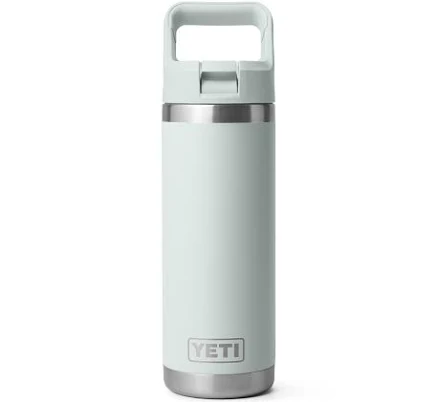
YETI Rambler · Portable Water Bottles
YETI Rambler 18 oz Water Bottle with Straw Cap in Ridgeline
Low risk. Stainless steel construction unlikely to contain PFAS.
YETI Rambler features 18/8 stainless steel construction with minimal-risk plastic cap. YETI does not test or disclose PFAS.
We flunk more products than we pass. This one earned its grade. How we grade
Material
18/8 stainless steel interior and exterior, plastic cap
Brand disclosure
Brand is silent on PFAS
Lab data
No public lab test
What YETI Rambler 18 oz Water Bottle is made of, ingredients and materials
The Rambler 18 oz uses 18/8 stainless steel (304 grade) for interior and exterior walls, which is highly corrosion-resistant and chemically inert under normal use conditions. The plastic cap is typically polypropylene (PP) or similar food-contact polymer. Stainless steel does not leach aluminum, lead, or cadmium the way some coated or ceramic alternatives do, and the material composition avoids Teflon-type coating (Teflon) fume risks entirely. The design is essentially a vacuum-insulated metal vessel with minimal plastic contact with liquid.
What’s concerning
Category baseline
The starting point for this type of product, before anything specific to this product is counted.
No PFAS disclosure
No public statement from the brand about PFAS in this product.
Plastic cap degradation and leaching
The polypropylene cap may leach trace oligomers or residual monomers if exposed to repeated hot fills or UV degradation over years of use. No specific contamination events are documented for YETI Ramblers, but caps from any brand should be inspected periodically and replaced if damaged.
Bacterial or mold growth in straw mechanism
The straw cap design creates a narrow channel where moisture can remain if not thoroughly dried after washing. This is a hygiene concern rather than a chemical hazard but poses low-level infection risk if the bottle is left moist in warm environments.
What’s reassuring
Base material not linked to PFAS
The main material recorded for this product is not one associated with PFAS.
Stainless steel corrosion or pitting
18/8 stainless steel is highly resistant to corrosion under normal freshwater use. Pitting is theoretically possible only in extremely high-chloride environments (saltwater or salt-based cleaning products) and has not been reported as a consumer issue for this product.
Cap adhesive or gasket offgassing
If the cap uses adhesive to bond its seals or gaskets, volatile organic compounds (VOCs) may off-gas minimally during initial use. YETI does not disclose adhesive composition publicly, and no odor complaints are documented in available consumer records.
Lead
The 'Ridgeline' colorway is likely powder-coated or anodized stainless, and the printed logo should use food-safe inks. No lead or heavy metal contamination has been reported for YETI Ramblers, though independent testing is not publicly available.
Source, ATSDR ↗The full breakdown
The brand's record and disclosure
YETI does not publish detailed material safety data sheets or third-party certifications (such as NSF or FDA compliance statements) readily available to consumers, which is typical for premium drinkware brands but limits transparency. The brand has no documented recalls or safety controversies specific to the Rambler water bottle line. YETI's silent stance on PFAS is common among beverage container manufacturers, though the stainless steel construction inherently avoids the fluorochemical coatings where PFAS contamination risk is highest.
How it compares in its category
Within vacuum-insulated water bottles, stainless steel interiors have lower concern for leaching compared to aluminum cores if damaged, and avoid the chipping risk present in glass-lined alternatives. The Rambler's plastic cap design is standard across the category and presents lower concern than silicone seals (which can off-gas compounds) or rubber gaskets prone to mold if not dried. YETI's price point reflects manufacturing quality, though this does not guarantee superior safety testing versus mid-range stainless competitors like Hydro Flask or Klean Kanteen.
If you buy it
Rinse the cap thoroughly before first use and inspect the plastic for cracks or discoloration, which could indicate degradation or manufacturing defects. Do not expose the bottle to extreme heat or fill directly from boiling water while the cap is sealed, as pressure buildup may damage the plastic closure. Hand-wash the cap and interior regularly with mild soap and dry completely to prevent mold or bacterial biofilm in the straw channel. Replace the cap if it becomes cloudy, brittle, or cracked; caps are available separately from YETI.
What we don’t know
- Basis
- Model estimate, 72% confidence, not a lab result
- Lab test
- None on record for this exact product
- Brand statement
- YETI Rambler has made none
Formulations change between production runs, so check the current label. How we grade.
Better-graded alternatives in Portable Water Bottles
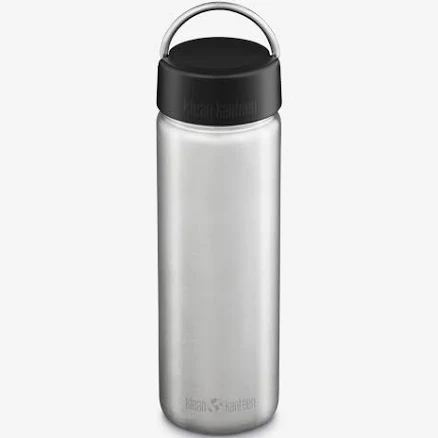
Klean Kanteen
27oz Wide Water Bottle with Loop Cap
- 18/8 stainless steel, no interior coating
- The brand calls it PFAS-free, which we have not verified
- Cap or closure contamination
2 hazards checked on this product. See all of them.
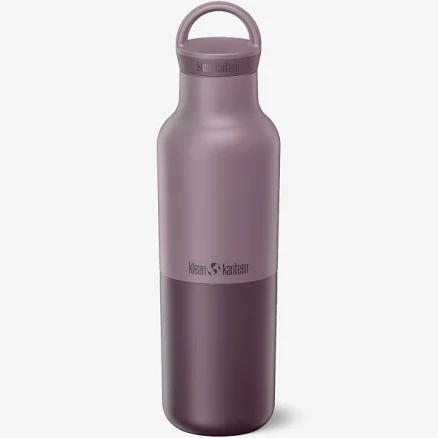
Klean Kanteen
Rise Classic Insulated Water Bottle
- stainless steel body, foam insulation, stainless steel cap
- The brand calls it PFAS-free, which we have not verified
- Cap gasket and seal contamination
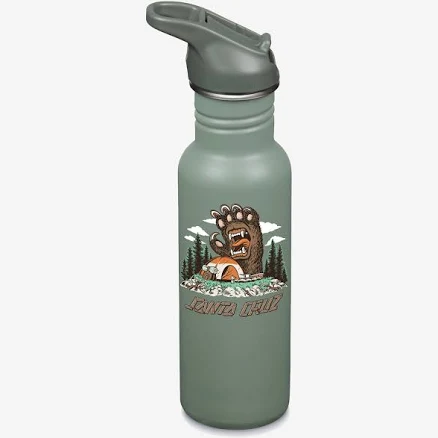
Klean Kanteen
Classic Flip Seal Sport Cap
- Stainless steel bottle, plastic flip cap
- The brand calls it PFAS-free, which we have not verified
- Plastic cap degradation and microplastic shedding
3 hazards checked on this product. See all of them.
More portable water bottles grades
How we score, every product runs through the same public 0-100 rubric based on materials, coatings, brand disclosure, lab findings, and recalls. See the full methodology → Spotted a mistake? Report an error.