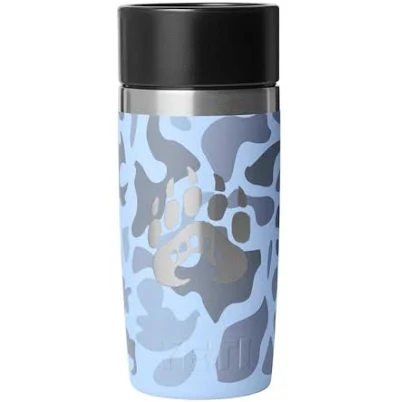
YETI Rambler · Portable Water Bottles
YETI Rambler Travel Bottle 8 oz Royal Blue
Low risk, though YETI does not disclose material details.
YETI Rambler uses stainless steel with plastic lid components of unclear risk. Brand makes no PFAS or material claims.
We flunk more products than we pass. This one earned its grade. How we grade
Material
Stainless steel interior, plastic lid/closure
Brand disclosure
Brand is silent on PFAS
Lab data
No public lab test
What YETI Rambler Travel Bottle 8 oz Royal Blue is made of, ingredients and materials
The YETI Rambler 8 oz uses food-grade stainless steel (typically 18/8) for the interior, which is chemically inert and does not leach metals or compounds into beverages. The lid and closure are plastic-based, likely polypropylene or similar thermoplastic, which can off-gas volatile organic compounds (VOCs) at higher temperatures but minimal risk at normal drinking temperatures. The double-wall vacuum insulation uses no foam or adhesives that typically off-gas; this design has lower concern for off-gassing compared to foam-based insulated bottles.
What’s concerning
Category baseline
The starting point for this type of product, before anything specific to this product is counted.
No PFAS disclosure
No public statement from the brand about PFAS in this product.
Formaldehyde / VOCs
Plastic closure components may emit trace VOCs, particularly if exposed to heat or UV over extended storage. Risk is minimal at drinking temperatures and intermittent contact; levels below detection in standard use are expected but not independently verified by YETI.
Source, ATSDR ↗Lid seal degradation over time
Repeated dishwasher cycles or thermal cycling can wear polymer seals, leading to functional failure (leaking) rather than chemical hazard. No contamination hazard documented; mainly a durability issue.
Bacterial or mold growth in cap/threading
Small crevices in lid threading and seals can harbor moisture and microbial growth if bottle is not fully dried before storage. This is a hygiene issue (not chemical safety) common to all reusable bottles; regular air drying and occasional vinegar soaks mitigate.
What’s reassuring
Base material not linked to PFAS
The main material recorded for this product is not one associated with PFAS.
Metal leaching (stainless steel interior)
Food-grade stainless steel (18/8) is passive and does not leach nickel, chromium, or iron at neutral pH in water or typical beverages. YETI does not publish metallurgical specifications, but industry standard for this price tier is high-quality alloy with no known leaching incidents.
Coating or paint on exterior
No paint or powder coating is applied to stainless steel exterior in this model (Royal Blue color is anodized or stainless steel dye, not surface paint). No chipping or lead/cadmium hazard documented for YETI Rambler line.
The full breakdown
The brand's record and disclosure
YETI has not published detailed materials safety data or third-party certifications (BPA-free labeling, NSF certification, etc.) despite market prominence, which is standard industry practice for transparent competitors. The brand has no known recalls related to leaching, off-gassing, or lid degradation. YETI's silence on PFAS and materials sourcing reflects a gap in proactive disclosure rather than evidence of hazard; competitors like Hydro Flask and S'well similarly avoid extensive material transparency.
How it compares in its category
This product sits in the premium insulated water bottle segment; stainless steel interiors are the gold standard and eliminate the primary hazards of plastic-lined or coated alternatives (BPA, leaching coatings). The small 8 oz size reduces total material contact volume compared to larger bottles. Unlike plastic-only bottles or those with ceramic coatings prone to chipping, the all-stainless design has no degradation pathway that creates safety concerns over typical 3-5 year use.
If you buy it
Avoid filling with boiling water if lid will be sealed immediately (plastic closure expands slightly under extreme heat; allow to cool 5-10 minutes first). Hand wash the lid to avoid dishwasher heat cycling, which can degrade plastic seals over years. Replace the lid if visible cracks or permanent discoloration appear (sign of polymer degradation). Normal daily use with room-temperature to warm beverages carries negligible risk; the stainless interior will not degrade.
What we don’t know
- Basis
- Model estimate, 72% confidence, not a lab result
- Lab test
- None on record for this exact product
- Brand statement
- YETI Rambler has made none
Formulations change between production runs, so check the current label. How we grade.
Better-graded alternatives in Portable Water Bottles
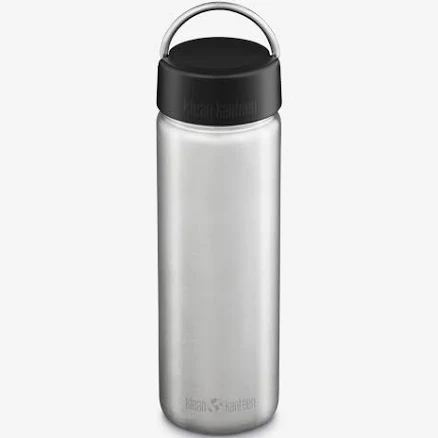
Klean Kanteen
27oz Wide Water Bottle with Loop Cap
- 18/8 stainless steel, no interior coating
- The brand calls it PFAS-free, which we have not verified
- Cap or closure contamination
2 hazards checked on this product. See all of them.
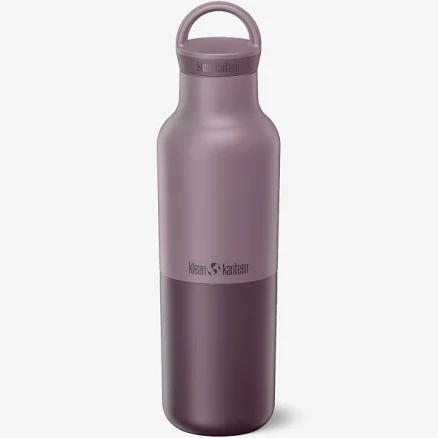
Klean Kanteen
Rise Classic Insulated Water Bottle
- stainless steel body, foam insulation, stainless steel cap
- The brand calls it PFAS-free, which we have not verified
- Cap gasket and seal contamination
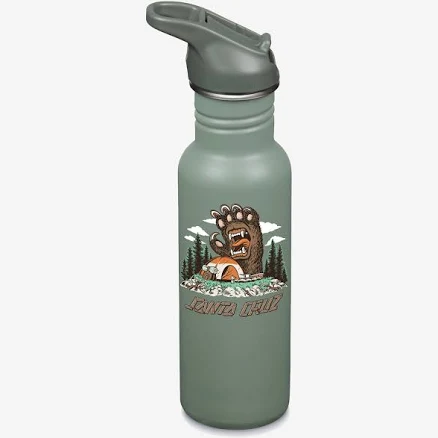
Klean Kanteen
Classic Flip Seal Sport Cap
- Stainless steel bottle, plastic flip cap
- The brand calls it PFAS-free, which we have not verified
- Plastic cap degradation and microplastic shedding
3 hazards checked on this product. See all of them.
More portable water bottles grades
How we score, every product runs through the same public 0-100 rubric based on materials, coatings, brand disclosure, lab findings, and recalls. See the full methodology → Spotted a mistake? Report an error.