
Yoga Design Lab · Yoga & Exercise Mats
Yoga Design Lab Combo Yoga Mat 1.5mm
Likely lower concern; no PFAS-prone materials identified, but unverified.
Yoga Design Lab mats use natural rubber and polyurethane, which do not typically require PFAS treatments. Brand makes no PFAS claims and offers no third-party verification.
We flunk more products than we pass. This one earned its grade. How we grade
Material
Natural rubber, polyurethane
Brand disclosure
Brand is silent on PFAS
Lab data
No public lab test
You may also be interested in
Top-graded picks in the categories readers replace first, every one scored on the same rubric.

Aqua Pure
3M Aqua-Pure AP802B Whole House Filter Housing
- polypropylene filter housing, carbon/sediment cartridge
- We found no PFAS statement from the brand
- Bacterial growth in spent cartridges
3 hazards checked on this product. See all of them.

Aquasure
Premier Series 75 GPD Under Sink Reverse Osmosis Water Filtration System
- RO membrane, carbon filters, stainless steel housing
- We found no PFAS statement from the brand
- Bacterial and microbial growth in housing and filters
4 hazards checked on this product. See all of them.

Avocado
Vegan Mattress
- organic cotton, natural latex, coconut coir, recycled steel coils
- The brand calls it PFAS-free, which we have not verified
- Heavy metals
2 hazards checked on this product. See all of them.
What Yoga Design Lab Combo Yoga Mat 1.5mm is made of, ingredients and materials
This mat combines natural rubber (the base layer) and polyurethane (the top surface), both petroleum-derived or plant-based elastomers that do not inherently contain flame retardants, formaldehyde resins, or heavy metals. Natural rubber can degrade under UV light and heat over years, causing the mat to crack or peel, but this is physical degradation, not chemical leaching into skin. Polyurethane is chemically stable during normal use and does not off-gas volatile organic compounds (VOCs) at room temperature the way some foam or adhesive-based mats do.
What’s concerning
Category baseline
The starting point for this type of product, before anything specific to this product is counted.
No PFAS disclosure
No public statement from the brand about PFAS in this product.
Natural rubber degradation and allergen potential
Natural rubber contains proteins that can trigger latex allergies in sensitive individuals. Degradation under UV or heat may cause small rubber particles to shed, though this is a physical concern rather than chemical leaching. If you have a latex allergy, confirm with the brand whether a latex-free variant exists.
Polyurethane surface wear and microparticles
As the polyurethane top layer ages and flexes, small particles may separate from the mat, particularly if the surface is abraded. This is a durability and ingestion concern if particles contact skin or food, not a chemical toxicity issue at normal use.
What’s reassuring
Base material not linked to PFAS
The main material recorded for this product is not one associated with PFAS.
Formaldehyde / VOCs
No formaldehyde-based adhesives or curing resins have been reported in Yoga Design Lab yoga mats. The natural rubber and polyurethane bond is typically achieved without formaldehyde; however, the brand does not disclose adhesive composition.
Source, ATSDR ↗Flame retardants
Natural rubber and polyurethane in yoga mats are not typically treated with brominated or chlorinated flame retardants. No recalls or reports of flame retardant chemicals in this product exist.
Source, EPA ↗Heavy metals
Colored rubber and polyurethane mats may use synthetic dyes or pigments, some of which historically contained cadmium or lead. No contamination or recalls are on record for Yoga Design Lab mats, and modern azo dyes and organic pigments are low-concern.
Source, FDA ↗The full breakdown
The brand's record and disclosure
Yoga Design Lab does not publicly disclose test results, third-party certifications, or material sourcing details on this product. The brand has not been associated with safety recalls or formaldehyde or heavy-metal contamination incidents. Absence of disclosure is not proof of safety, but also no established controversies exist for this mat in public records.
How it compares in its category
Natural rubber and polyurethane mats occupy the middle-to-premium segment for yoga mats. They avoid the VOC and formaldehyde concerns of cheap PVC or synthetic rubber mats, and the flame retardant additives often found in thicker foam-core mats. The 1.5mm thickness is typical for lightweight travel or home practice mats and does not indicate any unusual chemical treatment.
If you buy it
Store the mat in a cool, dry place away from direct sunlight to slow natural rubber degradation. Do not expose it to heat sources or high temperatures; keep it away from radiators or hot car interiors. Inspect annually for cracks, tears, or peeling of the polyurethane surface. Wipe clean with a damp cloth; do not use harsh solvents or bleach, which can degrade the rubber.
What we don’t know
- Basis
- Model estimate, 72% confidence, not a lab result
- Lab test
- None on record for this exact product
- Brand statement
- Yoga Design Lab has made none
Formulations change between production runs, so check the current label. How we grade.
Better-graded alternatives in Yoga & Exercise Mats
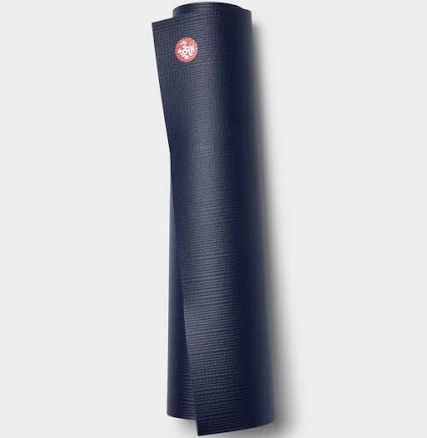
Manduka
Almost Perfect PRO Yoga Mat
- closed-cell PVC-free foam, rubber top
- A third party reports verifying it as PFAS-free
- Formaldehyde / VOCs
3 hazards checked on this product. See all of them.
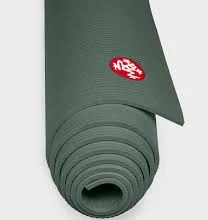
Manduka
Almost Perfect PROlite Yoga Mat
- Natural rubber and PVC, no Teflon-family coating
- A third party reports verifying it as PFAS-free
- Volatile organic compounds (VOCs) from natural rubber
More yoga & exercise mats grades
How we score, every product runs through the same public 0-100 rubric based on materials, coatings, brand disclosure, lab findings, and recalls. See the full methodology → Spotted a mistake? Report an error.