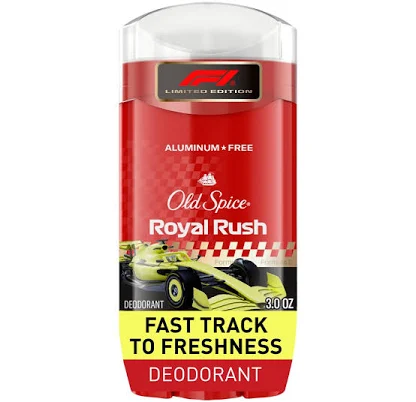
Old Spice Royal Rush Deodorant
Lower concern; typical deodorant without known PFAS triggers.
Old Spice Royal Rush is a standard aerosol deodorant. No PFAS-related materials identified, though brand does not disclose PFAS status.
We flunk more products than we pass. This one earned its grade. How we grade
Material
Aluminum-based aerosol deodorant formulation
Brand disclosure
Brand is silent on PFAS
Lab data
No public lab test
You may also be interested in
Top-graded picks in the categories readers replace first, every one scored on the same rubric.

- polypropylene filter housing, carbon/sediment cartridge
- We found no PFAS statement from the brand
- Bacterial growth in spent cartridges
3 hazards checked on this product, all on its full breakdown.

Aquasure
Premier Series 75 GPD Under Sink Reverse Osmosis Water Filtration System
- RO membrane, carbon filters, stainless steel housing
- We found no PFAS statement from the brand
- Bacterial and microbial growth in housing and filters
4 hazards checked on this product, all on its full breakdown.

Avocado
Vegan Mattress
- organic cotton, natural latex, coconut coir, recycled steel coils
- The brand calls it PFAS-free, which we have not verified
- Heavy metals
2 hazards checked on this product, all on its full breakdown.
What Old Spice Royal Rush Deodorant is made of, ingredients and materials
Old Spice Royal Rush is an aluminum-based aerosol antiperspirant deodorant, meaning it contains aluminum salts (likely aluminum zirconium or similar compounds) suspended in a propellant and carrier base. The aerosol format uses pressurized gas to deliver the product; the primary exposure route is inhalation of fine particles and spray mist, plus skin contact. Aluminum compounds in antiperspirants are designed to block sweat ducts and are generally recognized as safe at typical use concentrations by regulatory bodies, though aluminum absorption through skin remains a minor ongoing scientific discussion.
What’s concerning
Category baseline
The starting point for this type of product, before anything specific to this product is counted.
No PFAS disclosure
No public statement from the brand about PFAS in this product.
Fragrance allergens and undisclosed components
Old Spice lists 'fragrance' as a single ingredient without breaking down constituent allergens. Synthetic fragrances in aerosol deodorants commonly include limonene, citral, and other volatile compounds that can trigger contact dermatitis or respiratory sensitivity in susceptible individuals; full composition is not publicly available.
Aluminum compound systemic absorption
Aluminum salts in antiperspirants are absorbed in small amounts through intact skin; cumulative long-term effects remain debated in medical literature. Regulatory agencies (FDA, SCCS) have not identified typical antiperspirant use as presenting a hazard of this kind on record, but individuals with kidney disease or genetic aluminum sensitivity may warrant avoidance or medical consultation.
Aerosol inhalation exposure
Pressurized aerosol sprays generate fine particulate mist that can be inhaled into the lungs, especially with repeated indoor use in poorly ventilated spaces. While individual components are generally recognized as safe, chronic inhalation of cosmetic aerosol particles is not extensively studied for long-term respiratory effects.
What’s reassuring
Base material not linked to PFAS
The main material recorded for this product is not one associated with PFAS.
Heavy metals
No recalls or public reports of lead, cadmium, or other heavy metal contamination in Old Spice Royal Rush have been documented. Standard FDA oversight of cosmetic colorants and mineral ingredients applies, though full third-party verification is not disclosed.
Source, FDA ↗Formaldehyde / VOCs
No formaldehyde or formaldehyde-releasing preservatives are listed or documented in this aerosol deodorant formulation based on available product information and regulatory disclosures.
Source, ATSDR ↗How is this PFAS grade calculated?
The brand's record and disclosure
Old Spice (owned by Procter & Gamble) does not prominently disclose fragrance ingredients or conduct third-party safety testing specific to individual deodorant lines. The brand has not faced major recalls or established safety controversies tied to this product line. P&G maintains general compliance with FDA cosmetic regulations and CIR (Cosmetic Ingredient Review) standards, but does not pursue certifications like EWG Verified or make ingredient transparency a marketing priority. No public health warnings or regulatory actions are on record for Royal Rush specifically.
How it compares in its category
Aluminum aerosol deodorants are the mass-market standard and generally rank in the middle for ingredient transparency compared to natural/mineral brands (which often avoid aluminum) and prestige aerosol lines (which may use similar formulations). Old Spice Royal Rush sits in the conventional segment without premium claims, making it directly comparable to other drugstore aluminum antiperspirants like Degree, Axe, or store brands. This product does not attempt to differentiate on safety or purity grounds, which is typical for this price and distribution tier.
If you buy it
Use in well-ventilated spaces to minimize inhalation of aerosol particles, and avoid applying near eyes or mouth. Store away from heat and direct sunlight to prevent pressure buildup in the can. If you experience skin irritation, redness, or respiratory discomfort during or after use, discontinue and consider a gentler formulation or non-aluminum alternative. Replace the can once pressure drops or spray becomes weak; do not attempt to refill or puncture the container.
What is not known about PFAS in this product?
- Basis
- Model estimate, 72% confidence, not a lab result
- Lab test
- None on record for this exact product
- Brand statement
- Old Spice has made none
Formulations change between production runs, so check the current label. How we grade.
What are the PFAS-free alternatives to Old Spice Royal Rush Deodorant?
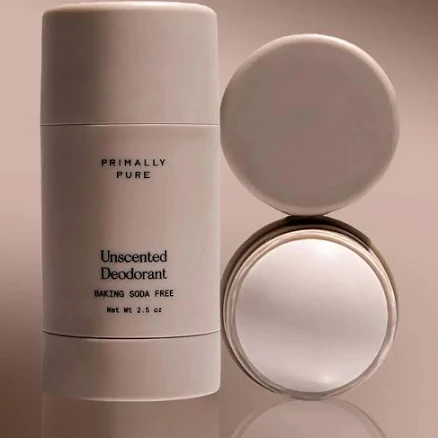
- mineral-based powder blend (arrowroot, magnesium hydroxide, mica)
- We found no PFAS statement from the brand
- Skin irritation from magnesium hydroxide alkalinity
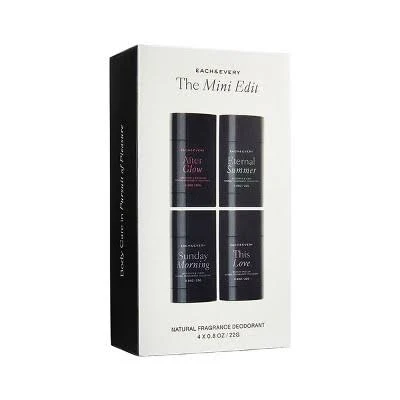
- cosmetic formulations, primary ingredients listed
- A third party reports verifying it as PFAS-free
- Fragrance allergens (natural essential oils)
2 hazards checked on this product, all on its full breakdown.
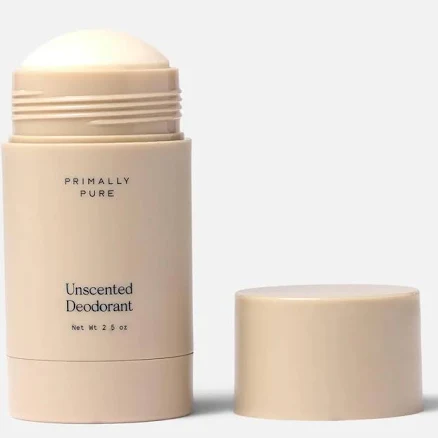
- natural mineral powders, plant-based actives, beeswax
- We found no PFAS statement from the brand
- Beeswax purity and contamination
2 hazards checked on this product, all on its full breakdown.
More deodorant grades
How we score, every product runs through the same public 0-100 rubric based on materials, coatings, brand disclosure, lab findings, and recalls. See the full methodology → Spotted a mistake? Report an error.