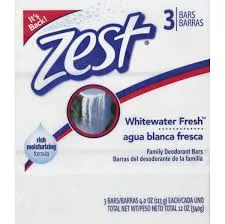
Zest Bars
Lower concern; natural soap bars carry minimal PFAS risk.
Zest Bars are traditional soap products without known Teflon-family coating coatings or water-resistant treatments. Cosmetic bar soaps pose lower PFAS risk than coated, treated, or specialty formulations.
We flunk more products than we pass. This one earned its grade. How we grade
Material
soap base, essential oils, plant extracts
Brand disclosure
Brand is silent on PFAS
Lab data
No public lab test
You may also be interested in
Top-graded picks in the categories readers replace first, every one scored on the same rubric.

- polypropylene filter housing, carbon/sediment cartridge
- We found no PFAS statement from the brand
- Bacterial growth in spent cartridges
3 hazards checked on this product, all on its full breakdown.

Aquasure
Premier Series 75 GPD Under Sink Reverse Osmosis Water Filtration System
- RO membrane, carbon filters, stainless steel housing
- We found no PFAS statement from the brand
- Bacterial and microbial growth in housing and filters
4 hazards checked on this product, all on its full breakdown.

Avocado
Vegan Mattress
- organic cotton, natural latex, coconut coir, recycled steel coils
- The brand calls it PFAS-free, which we have not verified
- Heavy metals
2 hazards checked on this product, all on its full breakdown.
What Zest Bars is made of, ingredients and materials
Zest Bars are solid soap formulations based on saponified oils or detergent bases, combined with essential oils and plant-derived botanicals. Unlike liquid soaps or body washes, bars contain no water, which eliminates the need for preservatives such as 1,4-dioxane or formaldehyde releasers commonly found in aqueous cosmetics. The solid matrix and minimal processing reduce risk of microbial contamination and synthetic additive load, resulting in lower synthetic chemical burden from a chemistry standpoint.
What’s concerning
No PFAS disclosure
No public statement from the brand about PFAS in this product.
Category baseline
The starting point for this type of product, before anything specific to this product is counted.
Essential oil sensitization and irritation
Zest Bars contain essential oils, which can trigger allergic contact dermatitis or skin irritation in a small subset of users with fragrance sensitivity. This is not a manufacturing defect but an inherent risk of natural fragrance ingredients; patch testing is recommended for those with known sensitivities.
What’s reassuring
Base material not linked to PFAS
The main material recorded for this product is not one associated with PFAS.
Heavy metals
No recalls or reports of heavy metal contamination (lead, cadmium, arsenic) in Zest Bar formulations are on record. If plant extracts are dyed or colored, risk depends on supplier practices, but mainstream mass-market bars are not documented to carry this hazard.
Source, FDA ↗Formaldehyde / VOCs
Solid soap bars do not require aqueous preservative systems, making formaldehyde releasers (DMDM hydantoin, diazolidinyl urea) unlikely. Zest Bars are not documented to contain these agents.
Source, ATSDR ↗1,4-dioxane contamination
1,4-dioxane is a byproduct of certain surfactant synthesis and is typically found in liquid cosmetics with synthetic detergents. Solid soap bars, especially those using traditional saponification, are at lower risk; no specific data on Zest Bars exists, but the product category is not flagged for this hazard.
Talc contamination or asbestos risk
Soap bars do not typically contain talc as an ingredient. No documented talc-related recalls or hazards are associated with Zest Bar products.
How is this PFAS grade calculated?
The brand's record and disclosure
Zest is owned by Coty Inc. and has a longstanding market presence in personal care. The brand does not publicly disclose detailed ingredient sourcing, third-party certifications (such as EWG Verified or Leaping Bunny), or formal safety testing data on its website. No major recalls or documented safety controversies specific to Zest Bars are on record in FDA or CPSC databases. The company's silence on PFAS and extended ingredient transparency limits independent verification but does not indicate a known problem.
How it compares in its category
Bar soaps typically require fewer preservative systems and emulsifiers compared to liquid body washes and shampoos, which can result in lower additive concern. Zest Bars compete in the mainstream mass-market segment, alongside brands like Dove and Irish Spring, all of which offer similar risk profiles. Premium or certified organic soap bars (e.g., Dr. Bronner's, Weleda) often provide stronger transparency and third-party validation, but standard bars like Zest are not known to pose elevated hazards relative to typical drugstore alternatives.
If you buy it
Store bars in a dry location and allow them to cure between uses; moisture and heat can degrade the bar faster and create conditions for mold if water pools around it. Discontinue use if redness, itching, or rash develops, as fragrance sensitivity to essential oils or plant extracts, while uncommon, can occur in sensitive skin. No special handling or replacement triggers apply beyond normal soap wear. Essential oil bars have a typical shelf life of 2-3 years when kept dry.
What is not known about PFAS in this product?
- Basis
- Model estimate, 78% confidence, not a lab result
- Lab test
- None on record for this exact product
- Brand statement
- Zest has made none
Formulations change between production runs, so check the current label. How we grade.
What are the PFAS-free alternatives to Zest Bars?
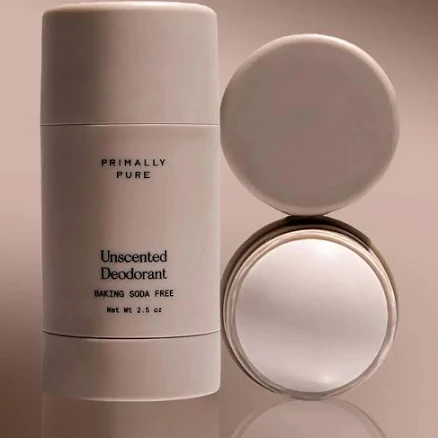
- mineral-based powder blend (arrowroot, magnesium hydroxide, mica)
- We found no PFAS statement from the brand
- Skin irritation from magnesium hydroxide alkalinity
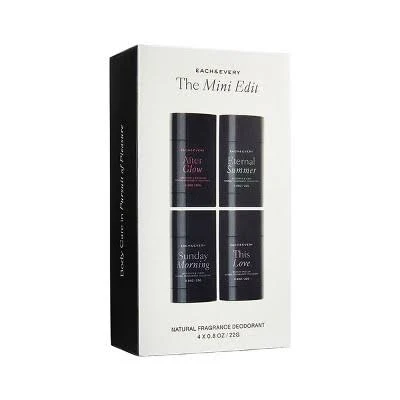
- cosmetic formulations, primary ingredients listed
- A third party reports verifying it as PFAS-free
- Fragrance allergens (natural essential oils)
2 hazards checked on this product, all on its full breakdown.
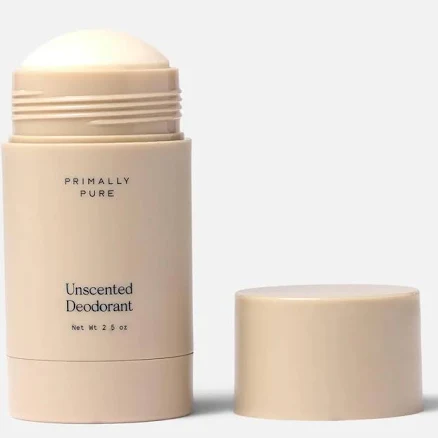
- natural mineral powders, plant-based actives, beeswax
- We found no PFAS statement from the brand
- Beeswax purity and contamination
2 hazards checked on this product, all on its full breakdown.
More deodorant grades
How we score, every product runs through the same public 0-100 rubric based on materials, coatings, brand disclosure, lab findings, and recalls. See the full methodology → Spotted a mistake? Report an error.