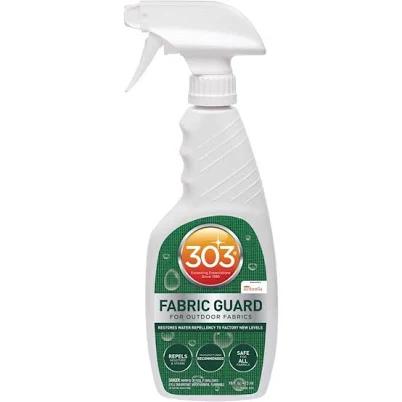
303 Products · Fabric Stain Guard Sprays
303 Marine Fabric Guard
Avoid. Waterproof spray lacks ingredient transparency.
303 Marine Fabric Guard is a waterproofing spray with unspecified chemical composition. The brand discloses nothing about PFAS content, creating significant uncertainty.
Still want this one anyway? Check the price on Amazon. We’d swap it.
Material
fabric treatment spray, composition undisclosed
Brand disclosure
Brand is silent on PFAS
Lab data
No public lab test
What 303 Marine Fabric Guard is made of, ingredients and materials
303 Marine Fabric Guard's exact composition is not publicly disclosed by Zout, which is a significant red flag for a spray treatment applied directly to textiles and boat upholstery. Fabric guard sprays typically contain silicone-based water repellents, solvents, and surfactants, but without a full ingredient list, it is impossible to identify specific hazards like PFAS-based repellents, volatile organic compounds (VOCs), or formaldehyde releasers. The 'marine' designation suggests a heavy-duty waterproofing formula, which often correlates with stronger synthetic chemistry and higher solvent content.
What’s concerning
Category baseline
The starting point for this type of product, before anything specific to this product is counted.
Vague safety claims only
Uses vague language ("eco-friendly", "clean") without a specific PFAS statement.
Waterproof / stain-resistant treatment
Water-repellent coating treatments have historically used PFAS.
Volatile Organic Compounds (VOCs) / Solvent inhalation
Spray application of undisclosed waterproofing formulas typically involves significant organic solvents to deliver repellent coatings. Without an SDS or ingredient list, VOC content cannot be assessed, but marine fabric guards are known to emit odors and respiratory irritation reports are not uncommon with this product class.
PFAS
Even if PFAS-free, fluorinated compounds used in fabric treatments carry their own toxicity profiles. Zout's silence on whether this product uses any fluorine chemistry at all prevents risk stratification between legacy PFAS, GenX replacements, or fully fluorine-free alternatives.
Source, ATSDR ↗Skin sensitization / Fragrance allergens
Marine fabric sprays often include fragrance compounds and surfactants to mask solvent odors and improve spreadability. Without an ingredient declaration, potential allergens and sensitizers cannot be identified, though textile treatment sprays are a known source of contact dermatitis and respiratory sensitivity in sensitive populations.
Coating degradation and reapplication frequency
Marine fabric guards typically require frequent reapplication (annually or bi-annually) because the silicone or fluorine coating breaks down under UV, salt spray, and mechanical wear. Repeated spraying increases cumulative inhalation and skin exposure to solvent and repellent chemistry over the product's lifetime.
What’s reassuring
Formaldehyde / VOCs
Not typical for aqueous-phase fabric guard sprays, but resin-based or antimicrobial variants can contain formaldehyde-releasing preservatives. No evidence of this in 303 Marine Fabric Guard specifically, but undisclosed formula prevents confirmation.
Source, ATSDR ↗The full breakdown
The brand's record and disclosure
Zout has maintained silence on PFAS content and does not publish Safety Data Sheets (SDS) or ingredient lists readily available to consumers. This absence of transparency is inconsistent with industry-leading fabric treatment brands that voluntarily disclose PFAS presence or absence and provide full chemical composition. No certifications (such as Bluesign, OEKO-TEX, or similar textile safety standards) are attached to this product on record, indicating a lower commitment to third-party safety verification.
How it compares in its category
Fabric guard sprays occupy a crowded market where competitors like Scotchgard (3M) have faced legal pressure over PFAS and now offer PFAS-free versions with published ingredient data. Some marine-specific alternatives use fluorocarbon-free, bio-based repellents and provide transparent SDS documents. 303 Marine Fabric Guard's refusal to disclose formula or PFAS status puts it behind the transparency standard now expected in this category, especially for a product meant for prolonged skin contact (boat seating) and indoor use (cabin interiors).
If you buy it
Apply only in well-ventilated outdoor spaces or areas with strong air exchange to minimize inhalation of volatile components. Allow treated fabrics to dry completely (typically 24-48 hours) before use or contact. Avoid spraying near food, children, or pets, and do not inhale mist directly. Reapply annually or as water beading diminishes, and always conduct a spot test on an inconspicuous area first to check for discoloration or texture change.
What we don’t know
- Basis
- Model estimate, 35% confidence, not a lab result
- Lab test
- None on record for this exact product
- Brand statement
- 303 Products has made none
Formulations change between production runs, so check the current label. How we grade.
Better-graded alternatives in Fabric Stain Guard Sprays
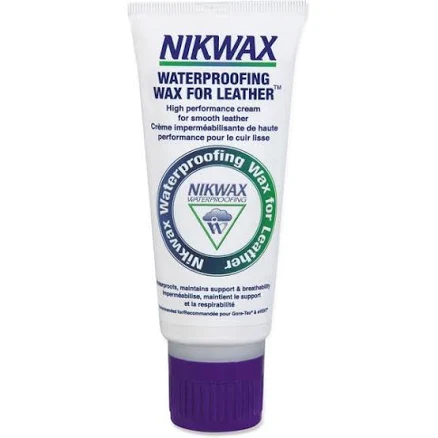
Nikwax
Waterproofing Wax for Leather
- wax-based waterproofing
- The brand calls it PFAS-free, which we have not verified
- Respiratory irritation or fume inhalation during application
2 hazards checked on this product. See all of them.
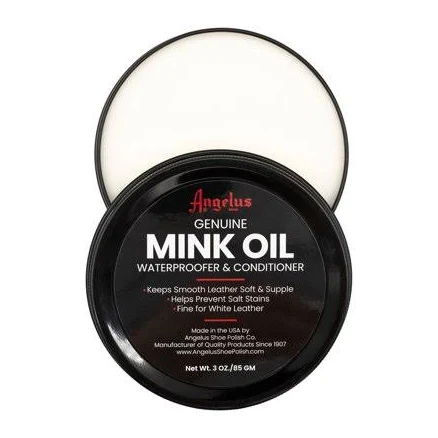
Angelus
Mink Oil Paste Leather Waterproofer and Contitioner 3 oz
- mink oil paste, natural oil-based conditioner
- We found no PFAS statement from the brand
- Microbial growth (natural oil rancidity)
2 hazards checked on this product. See all of them.
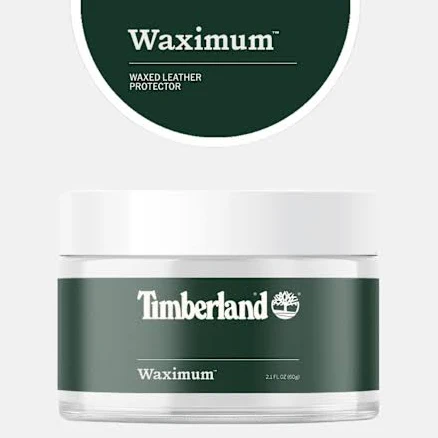
Timberland
Waximum Waxed Leather Protector
- Wax-based leather protector
- We found no PFAS statement from the brand
- Volatile organic compounds (VOCs) from solvents
3 hazards checked on this product. See all of them.
More fabric stain guard sprays grades
How we score, every product runs through the same public 0-100 rubric based on materials, coatings, brand disclosure, lab findings, and recalls. See the full methodology → Spotted a mistake? Report an error.