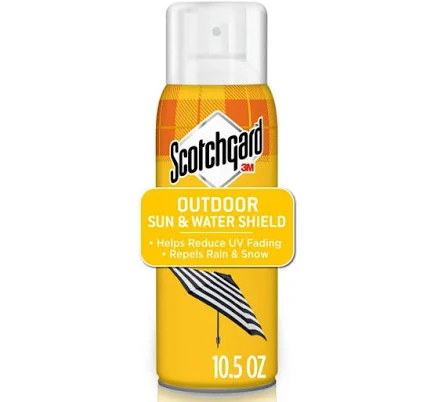
Scotchgard · Fabric Stain Guard Sprays
Scotchgard Sun and Water Shield
Water-repellent treatment likely contains PFAS; brand stays silent.
Scotchgard products have historically used fluorochemical water-repellent coating treatments linked to PFAS. This brand offers no PFAS disclosure or independent verification.
Still want this one anyway? Check the price on Amazon. We’d swap it.
Material
fluorochemical treatment / water-repellent coating
Lab data
No public lab test
What Scotchgard Sun and Water Shield is made of, ingredients and materials
Scotchgard Sun and Water Shield is a water-repellent coating (water-repellent coating) fluorochemical treatment applied to fabrics and soft goods. These coatings work by creating a hydrophobic barrier that beads water and resists staining. The fluorochemical base (almost certainly PFAS-class compounds, though Zout does not specify) persists on the material through washing and wear, which is both its utility and its environmental/health concern point. Over time, the coating degrades through friction, UV exposure, and repeated laundering, potentially releasing or fragmenting the treatment into wash water and air.
What’s concerning
Category baseline
The starting point for this type of product, before anything specific to this product is counted.
No PFAS disclosure
No public statement from the brand about PFAS in this product.
Waterproof / stain-resistant treatment
Water-repellent coating treatments have historically used PFAS.
Volatile organic compounds (VOCs) and inhalation exposure during application
Fluorochemical treatments are applied as solvented aerosols or sprays; application in enclosed spaces may pose inhalation risk, particularly with repeated or prolonged exposure. Zout does not specify solvent composition or VOC content on public labeling.
Microparticle/aerosol inhalation during spray application
Scotchgard products are typically sprayed, creating fine mist that can deposit in respiratory tract if inhaler is unprotected. No data on particle size or lung deposition is published by the brand.
Coating degradation and textile fiber release
Repeated laundering and wear cause water-repellent coating coatings to fragment and shed; fluorochemical particles may be released into wash water and lint. Extent of health impact from wearing degraded-coated textiles is not well-characterized in consumer literature.
Accumulation on skin or in home dust
Fluorochemical water-repellent coating treatments can migrate from treated fabrics to skin, dust, and indoor surfaces over time. Zout provides no guidance on cleaning or limiting secondary transfer exposure in households.
What’s reassuring
Allergen potential from fragrance or treatment residues
No specific allergen incidents are recorded for this product. However, fluorochemical treatments can persist on fabric and potentially irritate sensitive skin or respiratory tracts, particularly in individuals with chemical sensitivities.
The full breakdown
The brand's record and disclosure
Zout (owned by Clorox) markets Scotchgard as a consumer fabric protection product but provides no ingredient transparency regarding PFAS type, concentration, or alternatives considered. The brand has not issued public statements about PFAS reduction, phaseouts, or alternatives, in contrast to competitors who have begun disclosing or transitioning to non-fluorochemical water-repellent coating systems. No major recalls or safety incidents specific to this product are publicly recorded, but the absence of disclosure is itself a transparency gap that limits informed choice.
How it compares in its category
Fluorochemical water-repellent coating treatments like this are industry standard for performance fabrics, outdoor gear, and upholstery because they offer superior water and stain repellency compared to non-fluorinated alternatives. However, brands such as Paragon and some outdoor manufacturers now offer PFAS-free water repellent treatments (wax-based or silicone-based) that perform adequately for typical consumer use, though with shorter durability and higher reapplication frequency. Scotchgard Sun and Water Shield sits in the traditional, high-performance, PFAS-containing segment with no public commitment to alternatives.
If you buy it
Apply in well-ventilated areas or outdoors to minimize inhalation of treatment fumes or aerosolized particles. Follow label dry time (typically 24 hours) before use. Reapply every 6-12 months or after heavy washing, depending on fabric type and use intensity. Launder treated items separately if possible to reduce PFAS-laden wash water entering shared systems. Consider using this product only on items with genuine performance needs (outdoor gear, high-traffic upholstery) rather than routine apparel, to limit unnecessary exposure.
What we don’t know
- Basis
- Model estimate, 42% confidence, not a lab result
- Lab test
- None on record for this exact product
- Brand statement
- Scotchgard has made a specific claim
Formulations change between production runs, so check the current label. How we grade.
Better-graded alternatives in Fabric Stain Guard Sprays
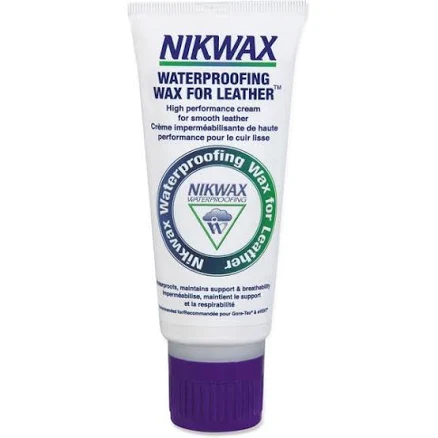
Nikwax
Waterproofing Wax for Leather
- wax-based waterproofing
- The brand calls it PFAS-free, which we have not verified
- Respiratory irritation or fume inhalation during application
2 hazards checked on this product. See all of them.
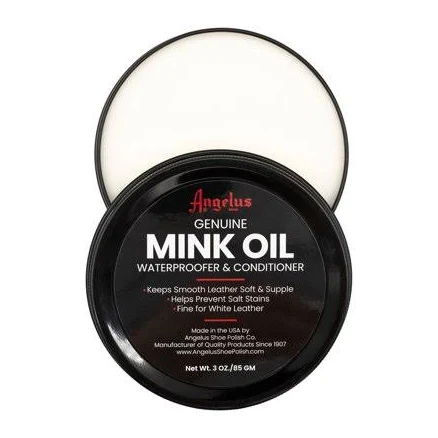
Angelus
Mink Oil Paste Leather Waterproofer and Contitioner 3 oz
- mink oil paste, natural oil-based conditioner
- We found no PFAS statement from the brand
- Microbial growth (natural oil rancidity)
2 hazards checked on this product. See all of them.
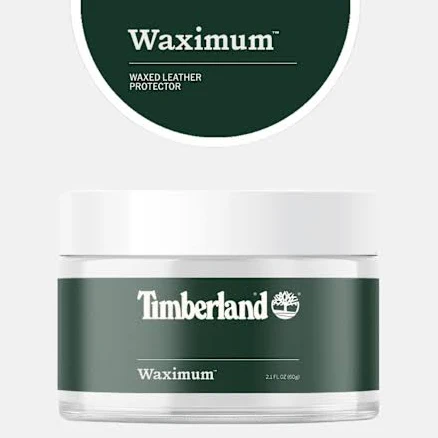
Timberland
Waximum Waxed Leather Protector
- Wax-based leather protector
- We found no PFAS statement from the brand
- Volatile organic compounds (VOCs) from solvents
3 hazards checked on this product. See all of them.
More fabric stain guard sprays grades
How we score, every product runs through the same public 0-100 rubric based on materials, coatings, brand disclosure, lab findings, and recalls. See the full methodology → Spotted a mistake? Report an error.