By PFAS Authority · Updated September 19, 2026
Top grades to buy
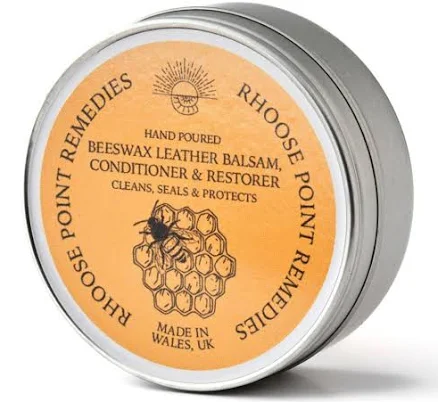
Beeswax Polish
Beeswax Leather Conditioner Restorer & Polish
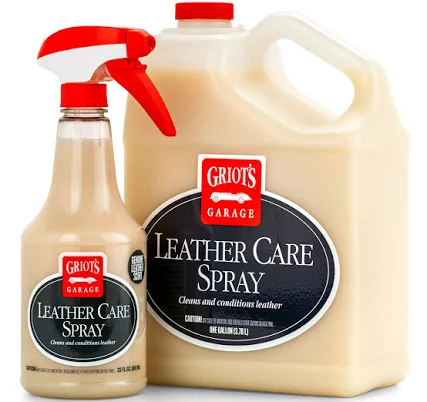
Griot's Garage
Griot's Leather Care Spray
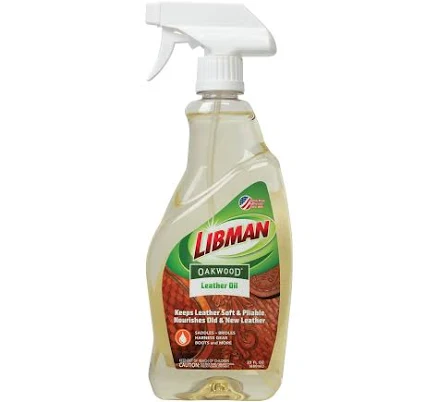
Oakwood
Leather Oil Spray
Model-based grades, not lab tests. We flunk more than we pass. How grading works
PFAS in Leather Conditioner, Where the Waterproofers Grade Worst
Leather conditioners and leather waterproofing sprays sit in one of the least-disclosed corners of the PFAS conversation. Based on available materials and data, aerosol and pump waterproofing sprays that promise "stays dry" or "repels water and stains" are the products most likely to rely on fluoropolymer or fluorotelomer chemistry, while wax- and oil-based conditioners without a waterproofing claim carry a lower likelihood of added PFAS. Our database does not yet contain lab-verified, product-level grades for specific leather conditioner or waterproofer SKUs, so this guide focuses on where the risk actually concentrates, what language on a label should make you pause, and how to use our product finder to check a specific bottle before you buy it.
The closest thing to a "winner" here is a strategy, not a single bottle, choose a plain wax or oil-based leather conditioner with no waterproofing claim, avoid aerosol sprays entirely, and cross-check any specific product through the finder tool before it touches your boots, bag, or car seats. For products we have actually graded, categories like water filtration and cookware show what a fully disclosed, lower-concern formulation looks like, and we reference several of those graded products below so you can see the difference between "no evidence of PFAS found in reviewed sources" and a brand simply saying "eco-friendly" on the front label.
Summary comparison
| Product or category | PFAS grade | Verdict |
|---|---|---|
| Aerosol fluoropolymer waterproofing sprays (general leather/suede category) | Not yet graded in our database | Treat as higher concern based on formulation chemistry; check the label and SDS before buying |
| Silicone-marketed "water repellent" sprays with no ingredient disclosure | Not yet graded in our database | Unverifiable; brand claims of "no PFAS" are not confirmed by third-party testing in our records |
| Plain wax or oil-based leather conditioners (no waterproofing claim) | Not yet graded in our database | Lower likelihood of added PFAS based on typical formulation, but unverified without a lab result |
| Hydro Flask Hydro Flask Micro Hydro Mini Bottle | Excellent, 100/100 (model-based estimate) | Reference example of a lower-concern rated product in an adjacent, fully graded category |
| Clearly Filtered 32oz Stainless Bottle Cap and Straw | Excellent, 100/100 (model-based estimate) | Shows how disclosed materials support a high score elsewhere in our database |
| Klean Kanteen Double Wall Vacuum Insulated Food Canister | Excellent, 100/100 (model-based estimate) | Illustrates a fully disclosed, lower-concern container in food contact goods |
| Made In 10" Stainless Clad Frying Pan | Excellent, 100/100 (model-based estimate) | Comparable to what a non-fluorinated, fully documented product looks like in cookware |
Why leather conditioner and waterproofer is a PFAS hot spot
Leather is porous, and it is exposed to water, mud, salt, and abrasion more than almost any other consumer material outside of outdoor apparel and carpets. That combination has historically pushed formulators toward fluorochemical durable water repellents, the same family of chemistry used in waterproof boots, technical outerwear, and some carpets and rugs. Fluoropolymers and fluorotelomers are effective at repelling both water and oil, which is exactly why they show up in a spray meant to protect a leather boot from slush or a leather couch from a spilled drink.
The exposure pathway is also different from a water bottle or a food container. Aerosol and pump sprays put fine droplets into the air, which means inhalation becomes a realistic route of exposure during application, not just skin contact or ingestion. Some research has associated inhaled and dermal PFAS exposure with a range of health concerns, though association is not causation, and individual product-level health outcomes have not been established in the sources we reviewed. That uncertainty is exactly why label transparency matters so much in this category, a consumer applying a leather waterproofer indoors, in a closed garage, or on a child's shoes has very little way to know what they are breathing in unless the ingredient list or safety data sheet says so plainly.
What "brand claims" actually mean in this category
Leather care brands frequently advertise phrases like "eco-conscious," "non-toxic," or "made with natural waxes," and some separately claim to be "PFAS-free" or "fluorocarbon-free." These are brand-stated claims. Based on available materials and data, a brand-stated claim is not the same as a third-party verified lab result, and our database distinguishes between the two whenever possible. A product can accurately market itself as free of intentionally added PFAS while still containing trace contamination from shared manufacturing equipment, packaging, or supply chain inputs, none of which shows up in a front-label claim. Until a specific leather conditioner or waterproofer has a documented, third-party test result behind it, the honest position is that the brand's language is a starting point for research, not a conclusion.
What to avoid
- Aerosol sprays marketed as "stain and water repellent" with no ingredient list. Aerosol delivery combined with a repellency claim is the single strongest formulation signal for fluorochemical treatment in this category, based on available materials and data.
- Any product listing "fluoropolymer," "fluorocarbon," "PTFE," or unnamed "proprietary water repellent technology." Vague technology names are frequently used to avoid stating the chemical family directly.
- Suede and nubuck protectant sprays. These finishes are especially reliant on fluorochemical repellents because wax-based conditioners can flatten or discolor the napped surface, so brands lean harder on spray chemistry instead.
- "Restores like new" all-in-one leather sprays that combine conditioning and waterproofing in one step. Combining both functions in a single aerosol product increases the odds that a durable water repellent has been added on top of the conditioning oils.
- Products with a "PFAS-free" claim but no linked test result, batch data, or third-party certification. Treat this as an unverified brand claim rather than a confirmed status until documentation is available.
- Older stock of any leather protectant spray. Formulations have shifted over the past several years as regulatory pressure increased, so a can that has been sitting in a garage or store shelf for years may predate a manufacturer's more recent reformulation.
What lower concern looks like, based on available formulation patterns
Plain leather conditioners built around lanolin, beeswax, neatsfoot oil, or mink oil, without any accompanying "waterproof" or "repels water" claim on the label, carry a lower likelihood of intentionally added PFAS based on typical formulation patterns. This is not a certification and it is not equivalent to a lab-confirmed "no evidence of PFAS found" status; it is a pattern-based inference. If a product genuinely needs no engineered water repellency, because it is meant for indoor furniture, handbags, or car interiors that are not routinely exposed to standing water, that is one of the more reassuring signals available to a shopper without a lab in hand.
For comparison, it helps to look at what a fully documented, lower-concern rating actually looks like when we do have the underlying materials data. The Hydro Flask Hydro Flask Micro Hydro Mini Bottle carries an Excellent rating at 100 out of 100 in our system, which is a model-based estimate built from disclosed materials and public data, not an independent lab certification of the specific unit you buy. The same is true of the Soma 24oz Stainless Steel Water Bottle and the Philips Water GoZero Daily Insulated Bottle, both of which score Excellent based on the materials disclosed to us. None of these are leather goods, but they show the kind of transparency, simple stainless steel or glass construction, disclosed materials, no undisclosed proprietary repellent coatings, that tends to produce a high score in our model. Leather conditioners rarely offer this level of ingredient transparency, which is itself part of the problem for this category.
Where the category overlaps with graded products you can actually check
Leather care does not exist in isolation. If you are treating leather boots, the relevant comparison point is our waterproof boots roundup, where footwear-specific water repellency claims get the same scrutiny we are applying to conditioners here. If you are protecting a leather jacket or bag, our broader clothing category page covers durable water repellent treatments used across apparel, which share the same fluorochemical concerns as leather sprays. And if the goal is simply avoiding PFAS across your daily gear while you sort out your leather care routine, categories where we do have dense, graded coverage, such as LifeStraw Home Glass Water Filter Pitcher and ZeroWater 500ml Stainless Steel Bottle, both rated Excellent, at 100/100, based on disclosed materials, can give you a sense of what verified transparency looks like when a brand actually publishes what a product is made of.
The Seventh Generation Tampons, also rated Excellent in our period care coverage, is another example from a completely different product category where materials disclosure supported a high score. We highlight it here only to make a point, categories with strong ingredient transparency tend to score well in our model, and leather conditioners as a category currently lack that transparency almost across the board. That gap is the real story behind this guide, not any single bottle.
How to vet a specific leather conditioner or waterproofer yourself
- Read past the front label. "Non-toxic" and "eco-friendly" are marketing terms, not ingredient disclosures. Look for the actual ingredient list or a linked safety data sheet.
- Search for the words "fluoro," "PTFE," "perfluoro," or "polyfluoro" anywhere in the SDS. Their presence is a strong signal of PFAS-based chemistry; their absence is reassuring but not a guarantee, since some manufacturers omit trade-secret ingredients from public SDS documents.
- Check whether the brand cites a specific third-party test or certification body for a "PFAS-free" claim, rather than just stating the claim. A named lab or certification adds credibility; a bare assertion does not.
- Run the specific product through our finder tool to see whether it has already been evaluated, and to compare it against similar products that have been graded.
- Favor conditioners over combined conditioner-and-waterproofer products if you don't actually need heavy-duty water resistance, since the waterproofing function is where the fluorochemical risk concentrates.
Our pick
Based on available materials and data, our recommendation is not a single named leather conditioner, since our database does not currently contain lab-verified, product-level PFAS grades for this category. Instead, the defensible approach is to choose a plain wax or oil-based conditioner without a waterproofing claim, skip aerosol delivery formats entirely, and treat any "PFAS-free" claim as a brand statement to verify rather than a settled fact. If you need actual water protection for footwear, start with our waterproof boots roundup rather than adding a separate spray-on treatment, since footwear-specific products in that category have been evaluated with the leather-and-water-resistance combination already in mind. And before you spray anything on a leather good you care about, run the exact product name through the finder to see what data, if any, exists on it.
Frequently asked questions
Are all leather waterproofing sprays made with PFAS?
No, not necessarily, but based on available materials and data, aerosol and pump sprays that specifically claim water and stain repellency are the formulation type most associated with fluoropolymer or fluorotelomer chemistry in this category. Some brands have reformulated to non-fluorinated alternatives, but a claim of reformulation is a brand statement unless it is backed by a named third-party test.
Is a leather conditioner with no waterproofing claim automatically lower concern?
It carries a lower likelihood of intentionally added PFAS based on typical formulation patterns, since there is no functional reason to add a durable water repellent to a product that only conditions. That said, "lower likelihood" is a pattern-based estimate, not a lab-confirmed result, and we would describe it as lower concern rather than as a guarantee of no PFAS content.
Can PFAS in leather sprays actually affect my health?
Some research has associated PFAS exposure, including inhaled exposure from aerosol products, with a range of health outcomes, but association is not causation, and no health outcome has been established for any specific leather conditioner or waterproofer product in the sources we reviewed. If you are concerned about inhalation exposure, applying any spray product outdoors or in a well-ventilated area reduces one variable regardless of the product's underlying chemistry.
Now check your own stuff
See every product we’ve graded in this category, best-graded first.
Get the graded list, free.
The products we score each week, and the best-graded alternative in every category.
No spam. Unsubscribe anytime.