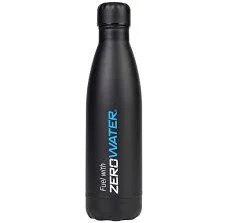
ZeroWater 500ml Stainless Steel Bottle
Lower concern for bottle itself but filter composition opacity prevents higher confidence.
ZeroWater's stainless steel bottle container carries lower inherent PFAS risk from the material itself. ZeroWater discloses nothing about PFAS in the filter cartridge, a common concern for water filters using ion-exchange resins or activated carbon.
We flunk more products than we pass. This one earned its grade. How we grade
Material
Stainless steel bottle; filter composition not specified by brand
Lab data
No public lab test
You may also be interested in
Top-graded picks in the categories readers replace first, every one scored on the same rubric.

Aqua Pure
3M Aqua-Pure AP802B Whole House Filter Housing
- polypropylene filter housing, carbon/sediment cartridge
- We found no PFAS statement from the brand
- Bacterial growth in spent cartridges
3 hazards checked on this product. See all of them.

Aquasure
Premier Series 75 GPD Under Sink Reverse Osmosis Water Filtration System
- RO membrane, carbon filters, stainless steel housing
- We found no PFAS statement from the brand
- Bacterial and microbial growth in housing and filters
4 hazards checked on this product. See all of them.

Avocado
Vegan Mattress
- organic cotton, natural latex, coconut coir, recycled steel coils
- The brand calls it PFAS-free, which we have not verified
- Heavy metals
2 hazards checked on this product. See all of them.
What ZeroWater 500ml Stainless Steel Bottle is made of, ingredients and materials
The ZeroWater 500ml bottle uses food-grade stainless steel as its primary vessel, which is chemically inert and does not leach metals or compounds into water under normal use. Stainless steel (typically 18/8 or 304-grade) does not degrade from water contact, temperature cycling, or acidic beverages. The bottle's interior coating and cap materials are not specified by the brand, but stainless steel itself poses no established leaching risk for lead, cadmium, aluminum, or BPA.
What’s concerning
No PFAS disclosure
No public statement from the brand about PFAS in this product.
Filter cartridge composition and leachables
ZeroWater does not publicly disclose the exact materials in its filter cartridges (ion exchange resins, carbon media, binders, housing). Potential for leached manufacturing residues or resin particles into water is not independently verified. Brand silence on filter composition prevents confident assessment.
Cap and seal materials (not specified)
The bottle cap material is not disclosed; if plastic, it could contain BPA or phthalates, or if silicone, may off-gas under temperature stress or cleaning. Without material specification, risk cannot be ruled out but is typical for this product category.
Bacterial growth in filter or dead space
Any filtered bottle can harbor bacteria in the filter housing or cap threads if not cleaned regularly or if cartridges are not replaced on schedule. ZeroWater filters may create stagnant zones if not used daily or stored with standing water. Risk is manageable with proper maintenance.
What’s reassuring
Bare uncoated material
Recorded as a bare, uncoated material with no surface coating or treatment.
Stainless steel bottle interior degradation
Food-grade stainless steel (304/18-8) does not pit, rust, or leach under normal potable water use. No documented failures of this product type. Longevity is typically 5-10 years with normal care.
Teflon-type coating or non-stick coatings on interior
Stainless steel bottles typically do not use Teflon-type coating or non-stick coatings. If any coating is present, brand has not disclosed it, but this is unlikely given the material choice and intended use temperature range.
The full breakdown
The brand's record and disclosure
ZeroWater is primarily known for its filter cartridges and pitcher systems marketed around total dissolved solids reduction. The brand has not published detailed material safety data sheets, third-party certifications (NSF, FDA compliance statements), or responses to product safety inquiries on record. No recalls or safety controversies have been documented for this bottle model. The opacity around filter composition and cartridge disposal protocols remains a disclosure gap.
How it compares in its category
Stainless steel bottles show lower concern in the filtered bottle category, avoiding plastic leaching risks. Most competitors (Brita, PUR, LifeStraw bottles) use plastic housings and are subject to more scrutiny around BPA and microplastics when heated or degraded. ZeroWater's 500ml size and claimed filter performance position it as a premium option, though the filter cartridge composition and replacement frequency are not transparently disclosed compared to some competitors.
If you buy it
Use the bottle at room temperature or cold only; stainless steel bottles can become scalding if filled with boiling water due to thermal conductivity. Replace filter cartridges on the schedule ZeroWater recommends (typically every 2-3 months depending on water quality) to avoid bacterial growth or filter saturation. Do not use abrasive scrubbers on the interior, as they may damage any interior coating. Rinse thoroughly after refilling and allow to air dry between uses to prevent mold in the cap seal.
What we don’t know
- Basis
- Model estimate, 62% confidence, not a lab result
- Lab test
- None on record for this exact product
- Brand statement
- ZeroWater has made a specific claim
Formulations change between production runs, so check the current label. How we grade.
More water filters grades
How we score, every product runs through the same public 0-100 rubric based on materials, coatings, brand disclosure, lab findings, and recalls. See the full methodology → Spotted a mistake? Report an error.