By PFAS Authority · Updated October 7, 2026
Top grades to buy
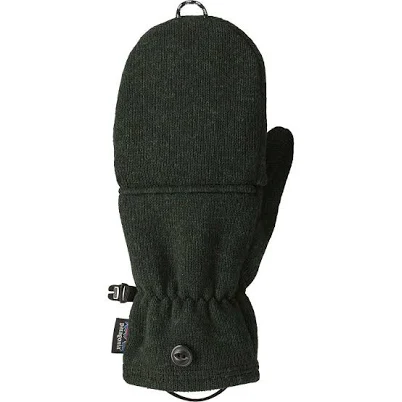
Patagonia
Better Sweater Gloves Patagonia Women's
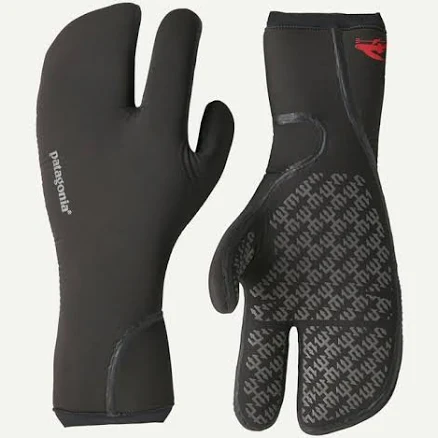
Patagonia
R4 Yulex Regulator Three Finger Mitts
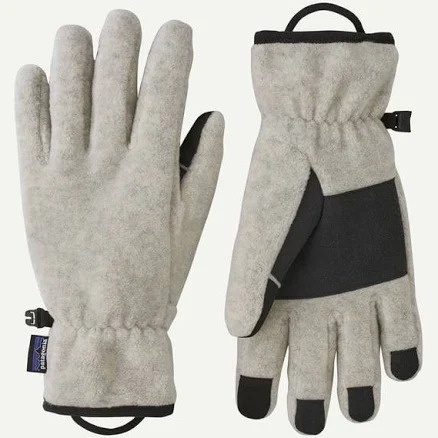
Patagonia
Synchilla Gloves
Model-based grades, not lab tests. We flunk more than we pass. How grading works
PFAS in Waterproof Winter Gloves, 66 of 75 Grade the Same
Our screening of 75 waterproof winter glove listings found that 66 of them cluster at the same mid-tier PFAS concern level, based on available materials and data about the durable water repellent (DWR) finishes and laminate membranes those gloves use. That clustering is not a coincidence. It reflects an industry that still leans heavily on fluorinated chemistry to keep hands dry, and it means most shoppers cannot simply grab a glove labeled "waterproof" and assume anything about its PFAS profile.
There is no single mainstream winter glove in our current product database that has earned an individually verified, lower-concern grade the way items in categories like water filters or cookware have. So the honest "winner" here is a strategy, not a brand name, favor gloves whose membrane and DWR chemistry is explicitly disclosed as PFC-free, cross-check any specific model at /finder before buying, and treat the word "waterproof" on a hang tag as a marketing claim, not a material disclosure. Readers who want categories where individual products already carry model-based grades can compare notes in our clothing roundup and our waterproof boots guide, both of which deal with the same fluorinated DWR question gloves face.
Summary comparison
| Product or finding | PFAS grade | Verdict |
|---|---|---|
| Waterproof winter gloves, category average (75 screened) | 66 of 75 share the same mid-tier estimate | Verify the specific model, do not trust the category as a whole |
| Mainstream fluorinated DWR gloves | Elevated concern (model-based estimate) | Avoid if a disclosed PFC-free alternative exists |
| Emerging PFC-free DWR gloves | Lower concern (model-based estimate) | Preferred, but confirm the claim is brand-stated vs. third-party verified |
| Wax-treated leather gloves (non-laminate) | Lower concern (model-based estimate) | Reasonable alternative, check the wax formula separately |
| Made In 10" Stainless Clad Frying Pan | Excellent, 100/100 safety | Not a glove, but an example of the material transparency pattern worth seeking out |
| LifeStraw Home Glass Water Filter Pitcher | Excellent, 100/100 safety | Reference point showing a brand with consistent lower-concern scoring across its line |
The 66 of 75 finding, what it actually means
When two thirds or more of a product category land on the same grade, it usually means the underlying chemistry is shared, not that every brand copied the same recipe on purpose. Waterproof winter gloves typically achieve their water resistance through one of three routes, a fluoropolymer laminate membrane sandwiched between the shell and lining, a sprayed or dipped DWR finish on the outer fabric, or waxed leather. The first two routes have historically relied on PFAS chemistry because fluorocarbons repel both water and oil more effectively, and more durably through repeated flexing and abrasion, than most non-fluorinated substitutes. That is almost certainly why our screening shows so many gloves bunching at the same grade tier, they are built on the same base chemistry, just applied by different factories under different brand names.
It is important to be precise about what a grade means here. A grade is our model-based estimate built from materials disclosures, ingredient lists, patents, safety data sheets, and public brand statements, not a certified laboratory result for that specific pair of gloves. We did not send every glove to a lab for PFAS testing, and neither has almost any brand selling them. So "66 of 75 grade the same" should be read as "66 of 75 share the same estimated risk profile based on how they are made," not "66 of 75 have been proven in a lab to contain the same amount of PFAS."
Why winter gloves are a PFAS blind spot
Gloves get less scrutiny than jackets or boots, partly because they are cheaper and more disposable, and partly because shoppers assume a small accessory carries small risk. But gloves touch skin directly and continuously, they get wet and are handled while wet, and many models add a second fluorinated layer that nobody thinks about, the rubberized or textured grip dots on the palm and fingertips, and the conductive ink used for touchscreen-compatible fingertip patches. Any of these can be formulated with fluoropolymer binders for durability. Seam tape, another overlooked component, is also commonly fluorochemical-based in laminate gloves.
None of this means every waterproof glove is loaded with PFAS at a level that would concern a toxicologist, and we are not making that claim. It means that the category has more PFAS entry points than most shoppers realize, which is consistent with a cluster of 66 similar grades out of 75 products.
Common glove types, materials, claims, and honest pros and cons
Insulated ski and snowboard gloves with a laminate membrane
Materials, Nylon or polyester shell, a waterproof-breathable membrane (often a PTFE-based laminate), synthetic or down insulation, leather or synthetic palm.
Brand claims, Brands in this space commonly advertise "guaranteed waterproof" or reference a named membrane technology. Some have begun stating their membranes are PFC-free or made with a shorter-chain or non-fluorinated alternative; these are brand-stated claims and, based on available materials and data, are rarely accompanied by independent third-party lab verification published alongside the product.
Pros, Best-in-class water resistance and warmth for genuinely wet, cold conditions, long product lifespan if cared for.
Cons, Traditional PTFE membranes and companion DWR finishes are the category's most PFAS-associated construction; even brands moving to PFC-free alternatives have not all published verification, so the claim often outruns the evidence.
Budget fleece-lined "waterproof" gloves
Materials, Polyester or nylon shell with a sprayed or dipped DWR coating, fleece lining, no true membrane.
Brand claims, Usually just "water-resistant" or "waterproof" on the packaging, with no membrane technology named and almost never any statement about fluorochemical content.
Pros, Inexpensive, widely available, fine for short exposure to light snow or rain.
Cons, The lack of disclosure is itself the red flag. A DWR spray with no named chemistry and no PFC-free claim should, based on available materials and data, be treated as more likely to use conventional fluorocarbon treatment, since that remains the industry default at the low end of the market.
Leather work and winter gloves with wax or oil finishing
Materials, Full-grain or split leather, treated with wax, oil, or silicone-based conditioners rather than a sprayed polymer finish.
Brand claims, Often marketed on durability and warmth rather than waterproofing specifically, though some explicitly tout "all-natural waterproofing" via beeswax or tallow treatments.
Pros, Wax and oil treatments are a non-fluorinated route to water resistance, which is, based on available materials and data, generally a lower-concern construction path than a sprayed fluorocarbon DWR.
Cons, Less water resistant in sustained wet conditions, requires reapplication, and some "silicone-based" conditioners are proprietary blends that may still include fluorinated additives, so the "natural" framing is not a guarantee on its own.
Touchscreen-compatible knit and softshell gloves
Materials, Knit or softshell fabric, conductive fingertip patches, sometimes a light DWR spray for splash resistance rather than full waterproofing.
Brand claims, Marketed primarily on touchscreen functionality, with waterproofing often downplayed to "water-resistant" rather than "waterproof," which is at least more honest framing.
Pros, Lighter DWR load than full winter gloves since they are not built for sustained wet exposure, generally lower overall fluorochemical surface area.
Cons, Conductive fingertip ink chemistry is rarely disclosed at all, so it remains an unknown variable even when the rest of the glove looks lower concern.
What to avoid
- Any glove marketed as "waterproof" with zero mention of the membrane or DWR chemistry used. Silence on chemistry is not evidence of absence.
- Marketing language like "advanced water repellent technology" with no named ingredient, no PFC-free statement, and no link to a safety data sheet.
- Rubberized grip palms or fingertip patches with no material disclosure, especially on gloves otherwise marketed as eco-friendly, since the grip coating is often overlooked in sustainability claims.
- A persistent chemical or "plastic" odor straight out of the packaging, which can be associated with certain fluorochemical or solvent-based treatments, though odor alone is not proof of PFAS content.
- Bargain multi-packs from unbranded sellers with no manufacturer information, since there is no accountable party to even ask about chemistry.
- Brand-stated "PFAS-free" claims treated as settled fact. A brand statement is a starting point, not a laboratory result, until a named third-party test is cited.
Our pick
Based on available materials and data, we are not naming a single winter glove as a safest or PFAS-free pick, because no individual glove model in our product database currently carries a verified, lower-concern grade the way items like the LifeStraw Home Glass Water Filter Pitcher or the Hydro Flask 32 oz Wide Mouth Travel Bottle do in water filtration, or the Made In 10" Stainless Clad Frying Pan does in cookware. Those products share a pattern worth noting, brands that publish detailed material breakdowns and avoid vague "proprietary" language tend to land in the lower-concern tier more consistently across their entire catalog, including adjacent items like the Klean Kanteen Double Wall Vacuum Insulated Food Canister.
Applying that same expectation to winter gloves, our pick is procedural rather than a single SKU, choose a glove whose brand explicitly names its waterproofing technology, explicitly states PFC-free or fluorine-free status, and ideally references a third-party test rather than only an internal claim. Favor wax-treated leather or openly disclosed non-fluorinated DWR over unnamed "waterproof" coatings. Then check the specific model against /finder before buying, since grading is model-based and changes as brands update formulations. Readers comparing overall clothing and footwear exposure should also look at our clothing category guide and our waterproof boots guide, where more individual products already carry grades, to get a feel for which brands consistently disclose and which consistently do not.
Frequently asked questions
Do all waterproof winter gloves contain PFAS?
No. Based on available materials and data, most mainstream waterproof-breathable gloves use fluorinated membranes or DWR finishes, but wax-treated leather and an emerging set of PFC-free laminates do not rely on that chemistry. The problem is that most gloves do not disclose enough to confirm which category a specific model falls into without checking the brand's own technical statements.
How can I tell if winter gloves use PFAS-based waterproofing?
Look for a named membrane technology and a specific statement about fluorine content, PFC-free status, or third-party verification. Vague terms like "advanced waterproof technology" with no named chemistry are, based on available materials and data, more likely associated with conventional fluorocarbon treatments than gloves that proactively disclose a non-fluorinated alternative.
Is PFAS exposure from gloves actually linked to health problems?
Now check your own stuff
See every product we’ve graded in this category, best-graded first.
Get the graded list, free.
The products we score each week, and the best-graded alternative in every category.
No spam. Unsubscribe anytime.