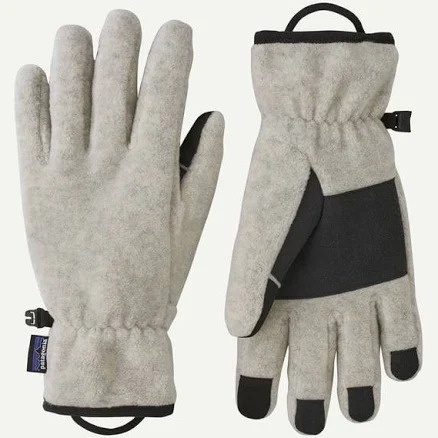
Patagonia · Waterproof Winter Gloves
Patagonia Synchilla Gloves
Brand PFAS statement on record, which we have not verified.
Patagonia says 100% of its new products from Spring 2025 are made without intentionally added PFAS. We record that as an unverified brand claim.
Brand says: “Patagonia says 100% of its new products from Spring 2025 are made without intentionally added PFAS.”
We flunk more products than we pass. This one earned its grade. How we grade
Material
Polyester fleece (Synchilla®); no water-repellent treatment disclosed
Brand disclosure
Brand claims PFAS-free
Lab data
No public lab test
What Patagonia Synchilla Gloves is made of, ingredients and materials
Synchilla gloves are constructed from polyester microfiber fleece, a synthetic material known for high warmth-to-weight ratio and moisture-wicking. Polyester itself does not leach harmful chemicals under normal use, but the manufacturing process and any applied finishes determine overall safety. Patagonia's disclosure that these lack water-repellent treatment is significant, it means no PFAS-based water-repellent coating (water-repellent coating) coating, which was historically a major exposure route in outdoor fleece.
What’s concerning
Category baseline
The starting point for this type of product, before anything specific to this product is counted.
Microplastics
Polyester microfiber fleece, especially when pilled or washed frequently, can shed microplastic fibers. This is inherent to the material class, not specific to Patagonia, but washing and wear intensity determine actual release rate. Use a washing machine filter or wash bag to reduce shedding into water systems.
Source, EPA ↗Antimony in polyester
Antimony is a common catalyst in polyester production and can remain as residue. Patagonia does not specify antimony catalyst type or removal for Synchilla. Migration to skin is minimal under normal use, but individuals with sensitive skin or open wounds may warrant caution.
What’s reassuring
Brand-stated PFAS-free
The brand states this product is PFAS-free. We have not verified the claim.
Base material not linked to PFAS
The main material recorded for this product is not one associated with PFAS.
Formaldehyde / VOCs
No evidence of formaldehyde-based finishes on Synchilla gloves; Patagonia does not disclose such treatments for this product, and the fabric is marketed as untreated fleece. Standard manufacturing may include trace residual finishes, but no recalls or testing results document problematic levels.
Source, ATSDR ↗Heavy metals
Patagonia does not publicly disclose azo dye use or heavy metal testing for glove colorants. The brand has sustainability commitments around dye chemistry, but product-specific test data for this item is not publicly available. Standard industry practice suggests azo screening, but verification is not independent.
Source, FDA ↗The full breakdown
The brand's record and disclosure
Patagonia has a documented public commitment to eliminating PFAS from its product line and has published transparency reports on this transition. The company has faced scrutiny over legacy products but has been consistent in communicating water-repellent coating phase-out timelines. No major recalls or contamination incidents are on record for Synchilla gloves specifically. The brand's PFAS-free claim is stated here; independent third-party verification of current batch testing is not publicly available.
How it compares in its category
Most winter gloves marketed as waterproof rely on PFAS-based water-repellent coating or thermoplastic coatings to repel water. Synchilla gloves trade water-repellency for chemical safety, relying instead on polyester's natural moisture-wicking and fleece density. This makes them less water-resistant than PFC-coated alternatives but more transparent about trade-offs. They sit at the lower concern end of the fleece glove spectrum from a hazard chemistry perspective.
If you buy it
Wash in cool water with mild detergent and air-dry to preserve fleece structure and avoid accelerating any minor shedding. Do not use fabric softeners or high heat, which can damage fibers and increase microplastic release. These gloves will absorb water rather than shed it, so expect moisture retention in heavy rain or snow; dry promptly after use. Replace when pilling becomes heavy or lining shows signs of wear, typically after 2-3 winters of regular use.
What we don’t know
- Basis
- Model estimate, 72% confidence, not a lab result
- Lab test
- None on record for this exact product
- Brand statement
- Patagonia has made a specific claim
Formulations change between production runs, so check the current label. How we grade.
More waterproof winter gloves grades
How we score, every product runs through the same public 0-100 rubric based on materials, coatings, brand disclosure, lab findings, and recalls. See the full methodology → Spotted a mistake? Report an error.