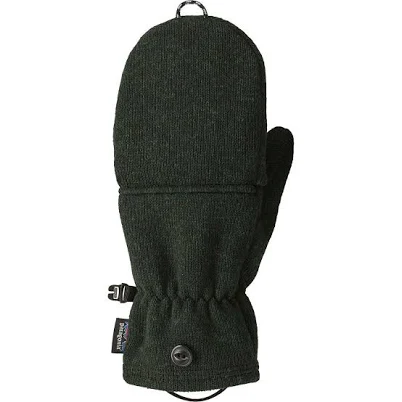
Patagonia · Waterproof Winter Gloves
Better Sweater Gloves Patagonia Women's
Brand PFAS statement on record, which we have not verified.
Patagonia says 100% of its new products from Spring 2025 are made without intentionally added PFAS. We record that as an unverified brand claim.
Brand says: “Patagonia says 100% of its new products from Spring 2025 are made without intentionally added PFAS.”
We flunk more products than we pass. This one earned its grade. How we grade
Material
Polyester fleece (recycled)
Brand disclosure
Brand claims PFAS-free
Lab data
No public lab test
You may also be interested in
Top-graded picks in the categories readers replace first, every one scored on the same rubric.

- polypropylene filter housing, carbon/sediment cartridge
- We found no PFAS statement from the brand
- Bacterial growth in spent cartridges
3 hazards checked on this product, all on its full breakdown.

Aquasure
Premier Series 75 GPD Under Sink Reverse Osmosis Water Filtration System
- RO membrane, carbon filters, stainless steel housing
- We found no PFAS statement from the brand
- Bacterial and microbial growth in housing and filters
4 hazards checked on this product, all on its full breakdown.

Avocado
Vegan Mattress
- organic cotton, natural latex, coconut coir, recycled steel coils
- The brand calls it PFAS-free, which we have not verified
- Heavy metals
2 hazards checked on this product, all on its full breakdown.
What Better Sweater Gloves Patagonia Women's is made of, ingredients and materials
Better Sweater Gloves are constructed from recycled polyester fleece, a synthetic knit fabric made by processing post-consumer plastic into fibers and brushing them to create insulation. Polyester fleece itself does not leach chemicals in normal wear because it is a finished fiber, not a coating or resin-cured surface. The recycled content reduces virgin petroleum extraction but does not alter the chemical profile of the material. No glazes, enamels, or reactive chemical finishes are present in this product category.
What’s concerning
Category baseline
The starting point for this type of product, before anything specific to this product is counted.
Heavy metals
Patagonia does not disclose specific dye chemistry for this product in public materials. Recycled polyester is typically undyed or minimally dyed, but the exact dye class is not confirmed in available product information.
Source, FDA ↗Microplastic shedding during wash
All polyester textiles shed microfibers in the wash; this is a environmental concern rather than a direct personal safety hazard, but users concerned about microplastic exposure may prefer natural-fiber alternatives.
What’s reassuring
Brand-stated PFAS-free
The brand states this product is PFAS-free. We have not verified the claim.
Base material not linked to PFAS
The main material recorded for this product is not one associated with PFAS.
Formaldehyde / VOCs
Polyester fleece does not require formaldehyde-releasing resins in dyeing or finishing. No such treatments are documented for Patagonia Better Sweater Gloves.
Source, ATSDR ↗Antimony in polyester fiber
Antimony trioxide is used as a catalyst in polyester synthesis but does not migrate from finished fiber into skin during normal wear. No health concern is established for finished polyester clothing.
Flame retardants
Fleece gloves are not treated with flame retardant chemicals because gloves are not classified as sleepwear or furniture requiring such finishes.
Source, EPA ↗How is this PFAS grade calculated?
The brand's record and disclosure
Patagonia publishes detailed material sourcing and chemical use reports on its website and has made public commitments to eliminating PFAS from all product lines by 2025. The brand has established third-party testing partnerships and is known for responding to safety concerns with transparency. No significant recalls or undisclosed chemical incidents have been reported for Patagonia fleece gloves in public records. Their PFAS-free claim on this product is on record, though independent verification of every batch is not publicly available.
How it compares in its category
Recycled polyester fleece gloves are among the lowest-risk winter textiles because fleece requires no dyes, formaldehyde resins, or flame retardant treatments to meet performance standards. Many competitor brands use virgin polyester, which carries identical chemical risk but higher environmental impact. Wool alternatives avoid synthetics but may carry lanolin residues or processing chemicals. Patagonia's choice of recycled polyester with documented PFAS elimination places this product in the lower concern segment of its category.
If you buy it
Wash in cool water with mild detergent; polyester fleece is durable at 40°C (104°F) and will not degrade from normal laundering. Check fit periodically and replace if seams tear or insulation matts significantly, typically after 3 to 5 seasons of regular winter use. No special drying required; air dry or low heat. These gloves are not waterproof (they are water-resistant only); pair with a waterproof outer shell or mitten if you need protection in wet snow.
What is not known about PFAS in this product?
- Basis
- Model estimate, 72% confidence, not a lab result
- Lab test
- None on record for this exact product
- Brand statement
- Patagonia has made a specific claim
Formulations change between production runs, so check the current label. How we grade.
More waterproof winter gloves grades
How we score, every product runs through the same public 0-100 rubric based on materials, coatings, brand disclosure, lab findings, and recalls. See the full methodology → Spotted a mistake? Report an error.