Patagonia · Waterproof Winter Gloves
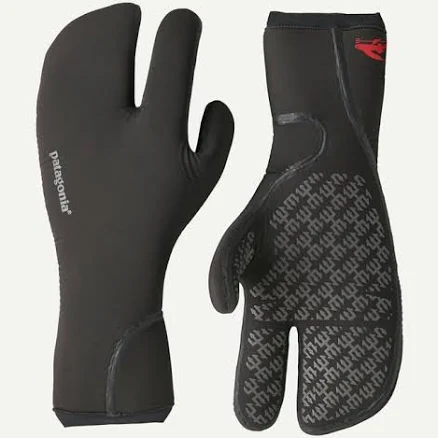
Patagonia R4 Yulex Regulator Three Finger Mitts
Brand PFAS statement on record, which we have not verified.
Patagonia says 100% of its new products from Spring 2025 are made without intentionally added PFAS. We record that as an unverified brand claim.
Brand says: “Patagonia says 100% of its new products from Spring 2025 are made without intentionally added PFAS.”
We flunk more products than we pass. This one earned its grade. How we grade
Material
Yulex (synthetic rubber), neoprene-free alternative
Brand disclosure
Brand claims PFAS-free
Lab data
No public lab test
You may also be interested in
Top-graded picks in the categories readers replace first, every one scored on the same rubric.

- polypropylene filter housing, carbon/sediment cartridge
- We found no PFAS statement from the brand
- Bacterial growth in spent cartridges
3 hazards checked on this product, all on its full breakdown.

Aquasure
Premier Series 75 GPD Under Sink Reverse Osmosis Water Filtration System
- RO membrane, carbon filters, stainless steel housing
- We found no PFAS statement from the brand
- Bacterial and microbial growth in housing and filters
4 hazards checked on this product, all on its full breakdown.

Avocado
Vegan Mattress
- organic cotton, natural latex, coconut coir, recycled steel coils
- The brand calls it PFAS-free, which we have not verified
- Heavy metals
2 hazards checked on this product, all on its full breakdown.
What Patagonia R4 Yulex Regulator Finger Mitts is made of, ingredients and materials
The R4 Yulex mitts use Yulex, a proprietary synthetic rubber derived from guayule plant resin, engineered as a neoprene alternative. Yulex eliminates the chlorine-based manufacturing and heavy metal risk associated with traditional neoprene. The material is designed for thermal insulation and water resistance without relying on fluorinated water repellents (Teflon-type coating coatings or PFOA-class treatments), which is consistent with Patagonia's stated PFAS-free position on this product.
What’s concerning
Category baseline
The starting point for this type of product, before anything specific to this product is counted.
Allergic contact dermatitis (rubber/guayule sensitivity)
While Yulex is synthetic and chlorine-free, natural rubber proteins in guayule-derived elastomers can trigger contact dermatitis in individuals with latex or rubber sensitivities. Incidence is lower than with neoprene, but users with known rubber allergies should patch-test or consult the retailer before extended use.
Coating degradation and material leaching
Yulex is a bulk material, not a coating, so it does not peel or degrade into flakes the way traditional neoprene can if worn or if the glue fails. However, over extended use or in extreme cold, the rubber can crack; ingestion of small fragments is unlikely in gloves but storage in cool, dark conditions slows this degradation.
What’s reassuring
Brand-stated PFAS-free
The brand states this product is PFAS-free. We have not verified the claim.
Base material not linked to PFAS
The main material recorded for this product is not one associated with PFAS.
Heavy metals
No recalls or test reports of heavy metal contamination (lead, cadmium, chromium) in Patagonia Yulex gloves are on record. Standard textile dye regulations apply, and Patagonia's supply chain practices are publicly documented as above-industry baseline, but specific colorant composition is not disclosed.
Source, FDA ↗Volatile organic compounds (VOC) off-gassing
Yulex production does not rely on the volatile solvent-heavy processes of neoprene manufacturing. No off-gassing complaints or chemical odor reports specific to Patagonia Yulex gloves have been published, and the material is intended for direct skin contact without respiratory risk.
Seam adhesive or glue toxicity
Patagonia does not publicly disclose seam adhesive composition. As with all stitched gloves, the risk is minimal (seams are not in direct mouth contact and degradation is gradual), but users concerned about chemical exposure during manufacturing should contact Patagonia for seam-glue safety data if needed.
How is this PFAS grade calculated?
The brand's record and disclosure
Patagonia has a documented commitment to transparency in material sourcing and has made public PFAS-free claims across its wetsuit and glove lines, including this model. The brand publishes environmental reports and actively phases out PFCs (per- and polyfluorinated chemicals) in water-repellent finishes. While the PFAS-free claim is on record, independent third-party verification of this specific product is not publicly available; rely on Patagonia's stated standard rather than certified lab data for PFAS absence.
How it compares in its category
Yulex mitts sit at the premium end of synthetic winter gloves, specifically positioned against neoprene (which carries chlorine and heavy metal concerns) and non-PFAS-coated alternatives. Most budget winter gloves still use PFC water repellents; this product's explicit avoidance of them and use of plant-derived rubber is a material advantage in the category. Cost reflects the material innovation, but chemical risk is lower than equivalent neoprene or heavily treated synthetic options.
If you buy it
Rinse gloves in fresh water after saltwater or heavy-use sessions to prevent salt accumulation and material degradation. Air-dry away from direct heat or UV; store in a cool, dark place to extend the life of the Yulex rubber, which can stiffen if stored cold or develop brittleness under prolonged UV. Replace if seams separate, insulation compresses unevenly, or the material becomes noticeably stiff or cracked. No special chemical treatments are needed for care; standard gentle soap and water suffice.
What is not known about PFAS in this product?
- Basis
- Model estimate, 72% confidence, not a lab result
- Lab test
- None on record for this exact product
- Brand statement
- Patagonia has made a specific claim
Formulations change between production runs, so check the current label. How we grade.
More waterproof winter gloves grades
How we score, every product runs through the same public 0-100 rubric based on materials, coatings, brand disclosure, lab findings, and recalls. See the full methodology → Spotted a mistake? Report an error.