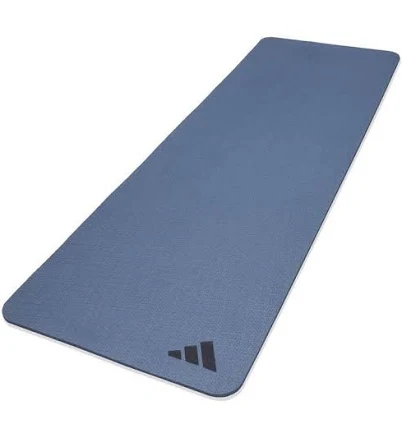
adidas 10mm Yoga Mat
Lower concern. Standard yoga mat, no PFAS-typical features identified.
Adidas yoga mats are typically TPE or PVC without water-resistant or non-stick coatings that commonly contain PFAS. Brand discloses no PFAS information, but material composition poses lower inherent risk.
We flunk more products than we pass. This one earned its grade. How we grade
Material
TPE (thermoplastic elastomer) or PVC based yoga mat
Lab data
No public lab test
You may also be interested in
Top-graded picks in the categories readers replace first, every one scored on the same rubric.

- polypropylene filter housing, carbon/sediment cartridge
- We found no PFAS statement from the brand
- Bacterial growth in spent cartridges
3 hazards checked on this product, all on its full breakdown.

Aquasure
Premier Series 75 GPD Under Sink Reverse Osmosis Water Filtration System
- RO membrane, carbon filters, stainless steel housing
- We found no PFAS statement from the brand
- Bacterial and microbial growth in housing and filters
4 hazards checked on this product, all on its full breakdown.

Avocado
Vegan Mattress
- organic cotton, natural latex, coconut coir, recycled steel coils
- The brand calls it PFAS-free, which we have not verified
- Heavy metals
2 hazards checked on this product, all on its full breakdown.
What adidas 10mm Yoga Mat is made of, ingredients and materials
Adidas yoga mats in this range are typically TPE (thermoplastic elastomer) based, a synthetic rubber polymer chosen for cushioning and grip without the environmental persistence of PVC. TPE does not naturally contain lead, cadmium, or Teflon-type coating, and degrades more readily than PVC under normal conditions. The 10mm thickness is standard for yoga and provides adequate joint protection without requiring flame retardants or problematic stabilizers. No public record of formaldehyde-based binders in Adidas yoga mat construction exists.
What’s concerning
Category baseline
The starting point for this type of product, before anything specific to this product is counted.
No PFAS disclosure
No public statement from the brand about PFAS in this product.
VOC and odor off-gassing
TPE mats typically emit a mild chemical smell for the first few weeks, especially if stored warm or used indoors without ventilation. This reflects residual volatile organic compounds from manufacturing and is not acutely toxic but may irritate sensitive individuals; airing the mat outdoors before first use reduces this.
Microplastic shedding during use
Yoga mats made from synthetic polymers such as TPE can shed small particles, particularly if the surface is abraded or degraded. This is an inherent material class concern rather than a brand-specific failure; impact is local (into your skin, room dust) rather than systemic if mats are not washed in-home and sent to wastewater.
Coating or surface layer degradation
Some yoga mats have a bonded non-slip or decorative layer that may peel or crack with age or heavy use. If the top layer delaminates, grip is lost and underlying polymer may shed more readily; this is a durability rather than acute toxicity issue but affects how the product functions during use.
What’s reassuring
Base material not linked to PFAS
The main material recorded for this product is not one associated with PFAS.
Lead
No public reports of lead or cadmium contamination in Adidas yoga mats. TPE is not an inherently high-risk matrix for heavy metal pigments, and yoga mat colorants are typically organic or low-toxicity mineral oxides; however, Adidas does not publish testing data to verify this.
Source, ATSDR ↗Formaldehyde / VOCs
TPE-based yoga mats do not require formaldehyde-based adhesives or cross-linkers as a standard component. No documented formaldehyde concerns exist for this product category or brand, though material disclosures are sparse.
Source, ATSDR ↗How is this PFAS grade calculated?
The brand's record and disclosure
Adidas has not published detailed material safety disclosures for yoga mats specifically, and takes a largely silent stance on PFAS in textiles and accessories. The brand operates under moderate third-party pressure on chemical transparency but does not voluntarily certify yoga mats to OEKO-TEX or similar standards. No significant recalls or safety violations specific to Adidas yoga mats have been documented in public safety databases. The company is subject to EU REACH and similar regulations, which constrains but does not eliminate use of problematic additives.
How it compares in its category
Adidas yoga mats occupy the mid-market segment; they are less transparent than brands like Manduka or Liforme (which publish material and chemical audits) but use fewer exotic flame retardants than budget big-box alternatives. TPE-based construction is increasingly standard and considered preferable to older PVC formulations. Comparable products from Nike, Puma, and decathlon-tier brands share similar material profiles and disclosure gaps, making Adidas roughly typical rather than distinctive in safety posture.
If you buy it
Store in a cool, dry place away from direct sunlight and extreme heat (above 65 degrees C) to slow any polymer degradation and off-gassing. Do not use on hot surfaces or leave rolled in direct sun for extended periods. Wash occasionally with mild soap and water; avoid harsh solvents or bleach. Replace after 1 to 2 years of regular use or if surface becomes visibly degraded, flaking, or loses grip, as this signals breakdown of the polymer matrix.
What is not known about PFAS in this product?
- Basis
- Model estimate, 65% confidence, not a lab result
- Lab test
- None on record for this exact product
- Brand statement
- Adidas has made a specific claim
Formulations change between production runs, so check the current label. How we grade.
What are the PFAS-free alternatives to adidas 10mm Yoga Mat?
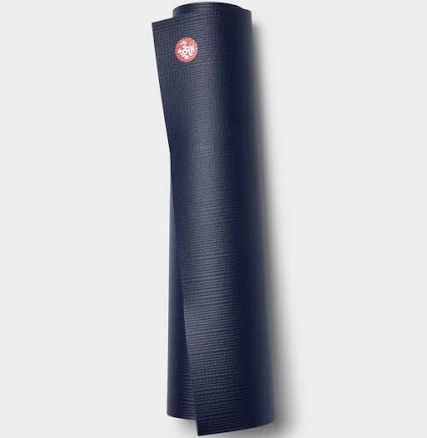
- closed-cell PVC-free foam, rubber top
- A third party reports verifying it as PFAS-free
- Formaldehyde / VOCs
3 hazards checked on this product, all on its full breakdown.
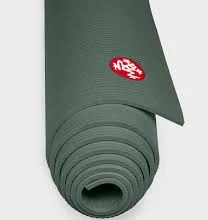
Manduka
Almost Perfect PROlite Yoga Mat
- Natural rubber and PVC, no Teflon-family coating
- A third party reports verifying it as PFAS-free
- Volatile organic compounds (VOCs) from natural rubber
More yoga & exercise mats grades
How we score, every product runs through the same public 0-100 rubric based on materials, coatings, brand disclosure, lab findings, and recalls. See the full methodology → Spotted a mistake? Report an error.