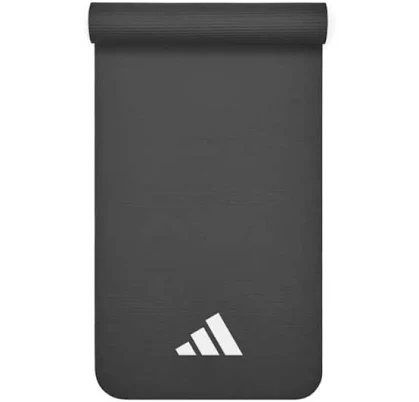
adidas Fitness Mat
Lower concern. Foam mats rarely treated with PFAS, but brand silent.
Fitness mats are typically NBR or PVC foam without water-resistance coatings. Adidas does not disclose PFAS treatment; no evidence of Teflon-family coating or water-repellent coating finish.
We flunk more products than we pass. This one earned its grade. How we grade
Material
NBR foam, synthetic rubber base
Lab data
No public lab test
You may also be interested in
Top-graded picks in the categories readers replace first, every one scored on the same rubric.

- polypropylene filter housing, carbon/sediment cartridge
- We found no PFAS statement from the brand
- Bacterial growth in spent cartridges
3 hazards checked on this product, all on its full breakdown.

Aquasure
Premier Series 75 GPD Under Sink Reverse Osmosis Water Filtration System
- RO membrane, carbon filters, stainless steel housing
- We found no PFAS statement from the brand
- Bacterial and microbial growth in housing and filters
4 hazards checked on this product, all on its full breakdown.

Avocado
Vegan Mattress
- organic cotton, natural latex, coconut coir, recycled steel coils
- The brand calls it PFAS-free, which we have not verified
- Heavy metals
2 hazards checked on this product, all on its full breakdown.
What adidas Fitness Mat is made of, ingredients and materials
NBR (nitrile butadiene rubber) foam is a synthetic rubber compound commonly used in exercise mats because it resists moisture, oils, and sweat better than natural rubber. The material is inherently stable at room temperature and does not typically release volatile organic compounds (VOCs) during normal use. NBR's closed-cell structure limits water absorption and bacterial growth compared to open-foam alternatives. This formulation is considered one of the more chemically inert mat bases available.
What’s concerning
Category baseline
The starting point for this type of product, before anything specific to this product is counted.
No PFAS disclosure
No public statement from the brand about PFAS in this product.
Formaldehyde / VOCs
Adidas does not disclose adhesive or binding chemistry for this mat. Formaldehyde-based binders are sometimes used in foam lamination, but no test results or complaints are on record. Material itself (NBR) does not inherently contain formaldehyde.
Source, ATSDR ↗Bacterial or mold colonization if poorly maintained
While NBR's closed-cell structure resists moisture better than alternatives, mats stored damp or in humid environments can develop microbial growth. Regular cleaning and dry storage prevent this; it is a usage issue, not a material defect.
What’s reassuring
Base material not linked to PFAS
The main material recorded for this product is not one associated with PFAS.
Volatile organic compound (VOC) off-gassing
NBR foam mats are not documented to release significant VOCs during normal indoor use. Any minor odor during initial unpacking typically dissipates within 24-48 hours and poses no established health concern.
Flame retardants
Fitness mats are not subject to mandatory flame retardant regulation in the U.S. or EU. NBR foam is naturally flame-resistant due to its rubber chemistry; no added flame retardants are typical for this material class or Adidas product line.
Source, EPA ↗Heavy metals
No test data or recalls link Adidas fitness mats to heavy metal contamination in dyes or surface coatings. Standard colorants in NBR foam do not typically contain lead, cadmium, or antimony in hazardous concentrations.
Source, FDA ↗How is this PFAS grade calculated?
The brand's record and disclosure
Adidas does not publicly disclose detailed material safety data or third-party certifications (such as Greenguard or standard test reports) specifically for this fitness mat line. The brand maintains silent positioning on PFAS in foam products generally, which is typical industry practice. Adidas has faced scrutiny on labor and chemical transparency in apparel but has not had documented recalls or safety incidents tied to fitness mats. No established safety controversies are on record for this specific product.
How it compares in its category
NBR foam mats sit in the mid-to-upper safety tier for fitness products. They outperform cheaper PVC and EVA mats in chemical stability and off-gassing profile, though they cost more. Natural rubber mats may off-gas less but are prone to degradation and mold if not maintained; NBR avoids this risk. Closed-cell foam is preferable to open-cell alternatives because it resists microbial colonization and chemical absorption.
If you buy it
Store in a cool, dry place away from direct sunlight, which can degrade rubber over time. Avoid prolonged heat exposure (hot yoga studios above 95 degrees Fahrenheit may accelerate aging). Clean regularly with mild soap and water; do not use harsh solvents that can soften NBR. Replace if visible cracking, peeling, or odor develops, typically after 2-3 years of regular use depending on frequency and storage conditions.
What is not known about PFAS in this product?
- Basis
- Model estimate, 72% confidence, not a lab result
- Lab test
- None on record for this exact product
- Brand statement
- Adidas has made a specific claim
Formulations change between production runs, so check the current label. How we grade.
What are the PFAS-free alternatives to adidas Fitness Mat?
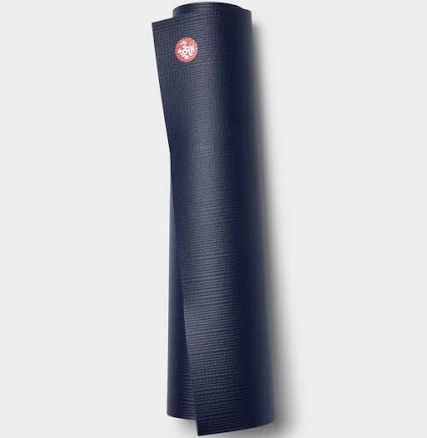
- closed-cell PVC-free foam, rubber top
- A third party reports verifying it as PFAS-free
- Formaldehyde / VOCs
3 hazards checked on this product, all on its full breakdown.
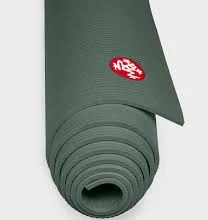
Manduka
Almost Perfect PROlite Yoga Mat
- Natural rubber and PVC, no Teflon-family coating
- A third party reports verifying it as PFAS-free
- Volatile organic compounds (VOCs) from natural rubber
More yoga & exercise mats grades
How we score, every product runs through the same public 0-100 rubric based on materials, coatings, brand disclosure, lab findings, and recalls. See the full methodology → Spotted a mistake? Report an error.