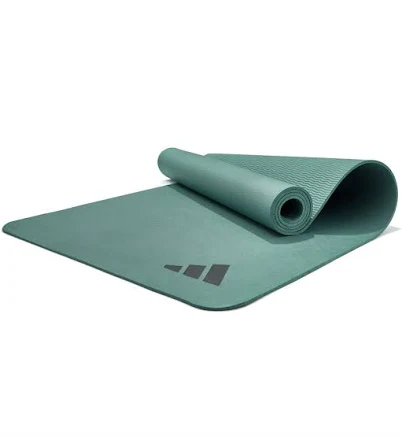
adidas Premium 5mm Yoga Mat
Lower concern. Standard yoga mat material with no known PFAS risk.
Adidas yoga mats typically use TPE or natural rubber, materials not inherently PFAS-prone. No public PFAS disclosure from the brand, but no red flags either.
We flunk more products than we pass. This one earned its grade. How we grade
Material
TPE (thermoplastic elastomer) or natural rubber blend
Lab data
No public lab test
You may also be interested in
Top-graded picks in the categories readers replace first, every one scored on the same rubric.

- polypropylene filter housing, carbon/sediment cartridge
- We found no PFAS statement from the brand
- Bacterial growth in spent cartridges
3 hazards checked on this product, all on its full breakdown.

Aquasure
Premier Series 75 GPD Under Sink Reverse Osmosis Water Filtration System
- RO membrane, carbon filters, stainless steel housing
- We found no PFAS statement from the brand
- Bacterial and microbial growth in housing and filters
4 hazards checked on this product, all on its full breakdown.

Avocado
Vegan Mattress
- organic cotton, natural latex, coconut coir, recycled steel coils
- The brand calls it PFAS-free, which we have not verified
- Heavy metals
2 hazards checked on this product, all on its full breakdown.
What adidas Premium 5mm Yoga Mat is made of, ingredients and materials
Adidas Premium 5mm mats are typically TPE (thermoplastic elastomer) or TPE-natural rubber blends, a synthetic rubber material chosen for grip, durability, and cushioning without PVC. TPE does not require flame retardant additives by default and has lower off-gassing risk than older PVC or EVA mats. The 5mm thickness is moderate density, balancing support and portability without requiring heavy stabilizing fillers.
What’s concerning
Category baseline
The starting point for this type of product, before anything specific to this product is counted.
No PFAS disclosure
No public statement from the brand about PFAS in this product.
Formaldehyde / VOCs
TPE mats can release low-level volatile compounds during manufacturing and early use. No specific testing data is public for this Adidas model, but off-gassing is common across synthetic yoga mats and typically subsides within days to weeks.
Source, ATSDR ↗Microplastic or degradation particle release
TPE mats can shed microparticles over time as the material breaks down, particularly with UV exposure or repeated flexing. This is a material-class issue, not brand-specific, but long-term indoor use minimizes environmental impact compared to outdoor use.
Skin irritation or sensitization from material contact
TPE is generally well tolerated, but residual processing chemicals or colorants may trigger irritation in sensitive individuals. Pre-use cleaning and spot-testing on skin are reasonable precautions; no widespread dermatological complaints for Adidas mats are documented.
What’s reassuring
Base material not linked to PFAS
The main material recorded for this product is not one associated with PFAS.
Flame retardants
TPE does not inherently require flame retardant treatment. No evidence suggests Adidas adds brominated or chlorinated flame retardants to this mat; however, ingredient disclosure is absent, so additive-free status cannot be confirmed.
Source, EPA ↗Heavy metals
Standard yoga mat dyes are unlikely to contain lead or cadmium under current consumer product regulations in major markets. Adidas does not disclose pigment sources for this product, but no recalls or testing failures are on record.
Source, FDA ↗How is this PFAS grade calculated?
The brand's record and disclosure
Adidas does not publicly disclose detailed chemical composition or third-party testing for this specific mat model, which is typical for the apparel/sports-goods industry but limits transparency. The brand has faced scrutiny for labor and environmental practices, though no major recalls or chemical safety incidents are on record for their yoga mat line. Certifications or compliance statements are not prominently advertised for this product category.
How it compares in its category
TPE mats sit in the mid-range safety profile for yoga mats. Natural rubber alternatives carry latex allergy risk and higher cost; PVC mats pose phthalate and vinyl chloride concerns; premium eco mats (cork, jute) are costlier but have lower chemical risk. Adidas Premium positioning suggests quality control above budget brands, though independent testing is limited for this specific line.
If you buy it
Air out the mat for 24-48 hours after unboxing to off-gas any residual manufacturing odors, then store in a cool, dry place away from direct sunlight to slow degradation. Avoid prolonged exposure to extreme heat (e.g., hot yoga studios above 100F regularly) as TPE can soften and degrade faster. Clean with mild soap and water; do not use harsh solvents. Replace if surface becomes sticky, flakes, or develops visible wear after 1-2 years of regular use.
What is not known about PFAS in this product?
- Basis
- Model estimate, 75% confidence, not a lab result
- Lab test
- None on record for this exact product
- Brand statement
- Adidas has made a specific claim
Formulations change between production runs, so check the current label. How we grade.
What are the PFAS-free alternatives to adidas Premium 5mm Yoga Mat?
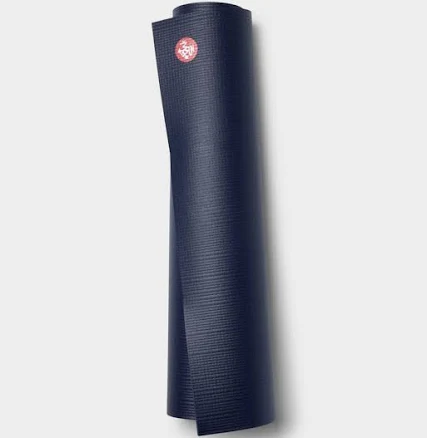
- closed-cell PVC-free foam, rubber top
- A third party reports verifying it as PFAS-free
- Formaldehyde / VOCs
3 hazards checked on this product, all on its full breakdown.
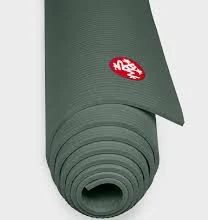
Manduka
Almost Perfect PROlite Yoga Mat
- Natural rubber and PVC, no Teflon-family coating
- A third party reports verifying it as PFAS-free
- Volatile organic compounds (VOCs) from natural rubber
More yoga & exercise mats grades
How we score, every product runs through the same public 0-100 rubric based on materials, coatings, brand disclosure, lab findings, and recalls. See the full methodology → Spotted a mistake? Report an error.