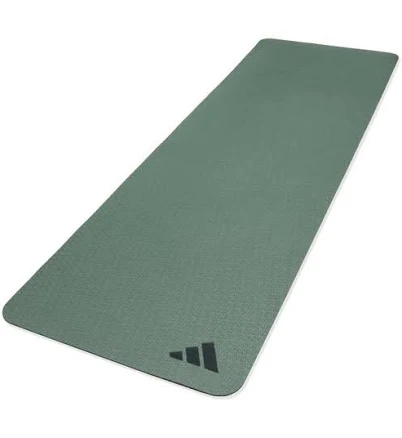
adidas Yoga Mat
Lower concern. Base material not linked to PFAS.
Material as recorded is TPE or natural rubber, neither typically associated with PFAS. Brand has no PFAS statement on record. No coating, treatment, or water-repellent finish disclosed.
We flunk more products than we pass. This one earned its grade. How we grade
Material
TPE (thermoplastic elastomer) or natural rubber base
Lab data
No public lab test
You may also be interested in
Top-graded picks in the categories readers replace first, every one scored on the same rubric.

- polypropylene filter housing, carbon/sediment cartridge
- We found no PFAS statement from the brand
- Bacterial growth in spent cartridges
3 hazards checked on this product, all on its full breakdown.

Aquasure
Premier Series 75 GPD Under Sink Reverse Osmosis Water Filtration System
- RO membrane, carbon filters, stainless steel housing
- We found no PFAS statement from the brand
- Bacterial and microbial growth in housing and filters
4 hazards checked on this product, all on its full breakdown.

Avocado
Vegan Mattress
- organic cotton, natural latex, coconut coir, recycled steel coils
- The brand calls it PFAS-free, which we have not verified
- Heavy metals
2 hazards checked on this product, all on its full breakdown.
What adidas Yoga Mat is made of, ingredients and materials
Adidas yoga mats are typically constructed from TPE (thermoplastic elastomer) or natural rubber, both petroleum or plant-derived polymers chosen for cushioning and grip. TPE is a synthetic blend that does not require PVC or its plasticizers, making it chemically simpler than older foam mats. Natural rubber variants are biodegradable but may contain residual proteins that trigger latex allergy in sensitive users. The material itself is stable at room temperature and does not off-gas significantly under normal indoor use.
What’s concerning
Category baseline
The starting point for this type of product, before anything specific to this product is counted.
No PFAS disclosure
No public statement from the brand about PFAS in this product.
VOC off-gassing and odor
New TPE yoga mats often emit a mild synthetic smell in the first 1 to 2 weeks due to residual volatile organic compounds from manufacturing. This is typical and not acutely hazardous, but sensitive users or those with chemical sensitivities may experience headache or irritation; airing out the mat outdoors before use reduces this.
Latex allergen (natural rubber variants)
If the Adidas mat is natural rubber rather than TPE, individuals with latex allergy risk contact dermatitis or respiratory reaction. The product description should specify material; natural rubber mats are less common in Adidas's core lineup but are offered by some retailers under the Adidas brand.
Microparticle shedding
Repeated use and flexing can gradually degrade TPE surfaces, releasing microscopic polymer particles into the air and onto skin. This is not acutely toxic but represents low-level chronic particulate exposure; quality control and mat thickness reduce shedding risk, and no specific data exists on Adidas mat durability in this regard.
What’s reassuring
Base material not linked to PFAS
The main material recorded for this product is not one associated with PFAS.
Formaldehyde / VOCs
No public evidence indicates Adidas applies formaldehyde-releasing resins or antimicrobial treatments (e.g., triclosan, silver nanoparticles) to yoga mats. The product material and brand statements do not reference such additives, suggesting they are absent.
Source, ATSDR ↗Heavy metals
Yoga mats typically do not undergo the dyeing or pigment-intensive processes that create cadmium or lead risk in ceramics or some textiles. Adidas has not disclosed use of heavy-metal-containing inks or dyes, and no recalls or testing reports flag this concern for this product.
Source, FDA ↗How is this PFAS grade calculated?
The brand's record and disclosure
Adidas publishes general sustainability statements but does not issue detailed chemical composition disclosures or third-party certifications (such as OEKO-TEX or GOTS) specifically for yoga mats. No major recalls or contamination incidents involving Adidas yoga mats have been documented in public databases. The brand's silence on heavy metals, antimicrobial coatings, or flame retardant use suggests these treatments are either absent or undisclosed; absence of public concern likely reflects low use of such additives in this product segment.
How it compares in its category
Yoga mats occupy a lower-risk subset of soft furnishings because they experience minimal friction, heat stress, and liquid contact compared to upholstered furniture or bedding. TPE mats are considered mainstream, with lower concern for phthalate leaching compared to older PVC mats and lower concern for rubber dust particles compared to some rubber mats. Certified natural-rubber or closed-loop TPE mats from brands like Manduka or Liforme carry third-party verification; Adidas sits in the middle, with acceptable materials but without independent audit.
If you buy it
Store the mat rolled or flat in a cool, dry place away from direct sunlight and heat sources to prevent polymer degradation and odor development. Do not expose to temperatures above 60°C (140°F) or prolonged outdoor UV, as TPE can degrade over time and release particulates. Wipe clean with mild soap and water after use; avoid harsh solvents or bleach. Replace after 1 to 2 years of regular use or if surface flaking, visible wear, or persistent chemical smell develops.
What is not known about PFAS in this product?
- Basis
- Model estimate, 72% confidence, not a lab result
- Lab test
- None on record for this exact product
- Brand statement
- Adidas has made a specific claim
Formulations change between production runs, so check the current label. How we grade.
What are the PFAS-free alternatives to adidas Yoga Mat?
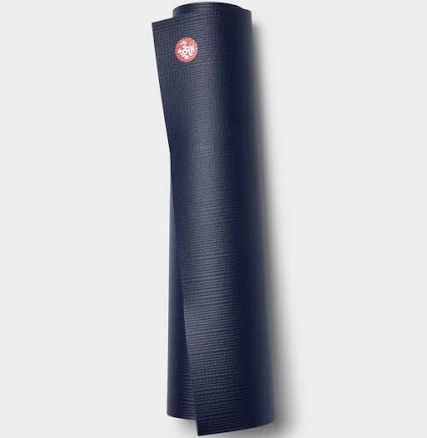
- closed-cell PVC-free foam, rubber top
- A third party reports verifying it as PFAS-free
- Formaldehyde / VOCs
3 hazards checked on this product, all on its full breakdown.
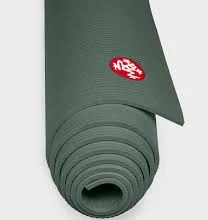
Manduka
Almost Perfect PROlite Yoga Mat
- Natural rubber and PVC, no Teflon-family coating
- A third party reports verifying it as PFAS-free
- Volatile organic compounds (VOCs) from natural rubber
More yoga & exercise mats grades
How we score, every product runs through the same public 0-100 rubric based on materials, coatings, brand disclosure, lab findings, and recalls. See the full methodology → Spotted a mistake? Report an error.