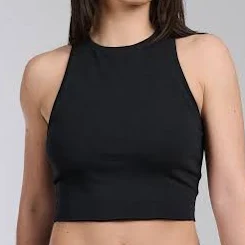
Aisle Leakproof Low-Rise Period Underwear Essential Hipster Black / XXS
Skip until brand discloses leakproof coating chemistry.
Aisle's leakproof period underwear likely uses a water-repellent finish to prevent leaks, but the brand does not disclose the coating type or PFAS status. Without verification, leakproof textiles carry elevated PFAS concern.
The better-graded swap
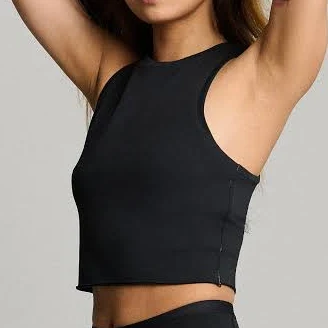
Aisle
Aisle Essential High-Rise Period Brief, Leakproof Underwear Essential Brief Black / S
90/100 safety
Same rubric that flunked this product. The swap earned Excellent.
Still want this one anyway? Check the price on Amazon. We’d swap it.
Material
Nylon/polyester blend with leakproof coating, composition unspecified
Brand disclosure
Brand is silent on PFAS
Lab data
No public lab test
What Aisle Leakproof Low-Rise Period Underwear is made of, ingredients and materials
Aisle's period underwear is a nylon/polyester blend with an applied leakproof coating whose specific chemistry Aisle has not publicly disclosed. The coating is the critical component, as it typically contains water-repellent chemistry that may rely on PFAS (per-and polyfluoroalkyl substances) to achieve leakproofing. Without disclosure, you cannot verify whether the coating uses legacy PFAS, newer fluorine-based replacements, or non-fluorine alternatives. The nylon and polyester base fibers themselves carry lower acute hazard risk in direct contact.
What’s concerning
Waterproof / stain-resistant treatment
Water-repellent coating treatments have historically used PFAS.
Category baseline
The starting point for this type of product, before anything specific to this product is counted.
No PFAS disclosure
No public statement from the brand about PFAS in this product.
Undisclosed leakproof coating chemistry
Nylon/polyester blend period underwear requires a water-repellent coating to function; Aisle has not disclosed whether this coating contains PFAS or fluorine-based alternatives. Leakproof textiles are a known source of PFAS exposure, and lack of transparency prevents assessment of this product's specific risk.
Coating degradation and microleaching over time
The leakproof coating will degrade with repeated washing and wear. As coating integrity fails, increased skin contact with the underlying nylon/polyester and potential release of coating breakdown products may occur. No testing data on Aisle's specific coating durability or degradation chemistry is publicly available.
What’s reassuring
Azo dyes in polyester component
Black polyester textiles can be colored with azo dyes, some of which break down into carcinogenic amines under certain conditions. No recalls or safety alerts specific to Aisle period underwear have been reported. Standard dyeing practices in mainstream brands typically use restricted azo compounds, but Aisle does not publish dye safety data.
Formaldehyde / VOCs
Nylon and polyester textiles may be finished with formaldehyde-releasing resins for wrinkle resistance or shape retention. No specific formaldehyde concerns have been reported for this product or brand. Formaldehyde off-gassing is typically minimal in finished textiles after washing.
Source, ATSDR ↗Antimony in polyester fiber
Polyester production can involve antimony as a catalyst; residual antimony may remain in the fiber at trace levels. Skin contact exposure from wearing polyester textiles is considered negligible by regulators, and no specific antimony concerns have been reported for this product.
The full breakdown
The brand's record and disclosure
Aisle has not made public statements about the chemical composition of its leakproof coating or whether it contains PFAS. The brand does not appear to hold third-party certifications (such as OEKO-TEX Standard 100 or GOTS) that would provide independent testing for restricted substances. Without disclosed formulation data or independent audit, buyers have no way to verify coating safety claims. This silence is notable given rising consumer and regulatory scrutiny of PFAS in textiles.
How it compares in its category
Period underwear as a category relies on leak-barrier coatings; most mainstream brands (Thinx, Knix, Modibodi) have similarly struggled to disclose PFAS use. A small number of brands (e.g., some marketed as 'PFAS-free') have committed to non-fluorine alternatives, though independent verification is limited. Aisle's lack of disclosure places it in the middle of a largely opaque market rather than at either end of transparency. Cotton-only period underwear without coating exists but offers lower absorbency.
If you buy it
Wash before first wear to reduce potential leachates from manufacturing residue. Wash in cold water and air dry; heat (dryer, hot water) can degrade coatings and potentially increase leaching. Do not bleach or use strong solvents. Replace when the coating visibly degrades (stiffness, peeling, or loss of water repellence) or after 6-12 months of regular use, whichever comes first. If you have concerns about PFAS exposure, contact Aisle directly requesting coating chemistry disclosure before purchase.
What we don’t know
- Basis
- Model estimate, 35% confidence, not a lab result
- Lab test
- None on record for this exact product
- Brand statement
- Aisle has made none
Formulations change between production runs, so check the current label. How we grade.
Better-graded alternatives in Period Underwear

Ruby Love
Rubylove First Period Kit +teen Period Underwear
- organic cotton, waterproof backing layer
- A third party reports verifying it as PFAS-free
- Coating degradation and microparticle shedding
2 hazards checked on this product. See all of them.
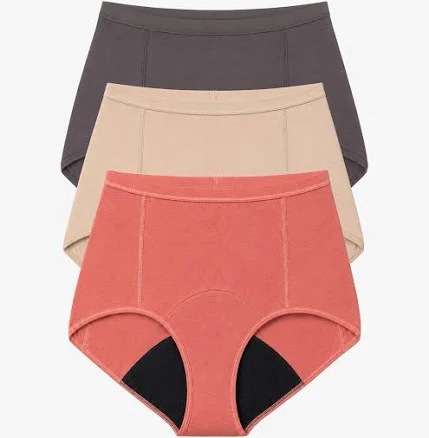
Lunapads
3-Pack BOOST Brief
- organic cotton blend, water-resistant gusset
- The brand calls it PFAS-free, which we have not verified
- Microplastic shedding from water-resistant barrier

Aisle
Super Hipster
- Organic cotton, wood pulp fiber
- The brand calls it PFAS-free, which we have not verified
- Azo dyes and synthetic dyes
2 hazards checked on this product. See all of them.
More period underwear grades
How we score, every product runs through the same public 0-100 rubric based on materials, coatings, brand disclosure, lab findings, and recalls. See the full methodology → Spotted a mistake? Report an error.