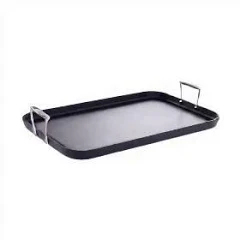
All-Clad HA1 Expert Cookware Nonstick Double Burner Griddle, Is It Non-Toxic?
Teflon-type coating non-stick coating, disclosed by the brand.
All-Clad says its nonstick contains Teflon-type coating, and lists its HA1, Essentials, NS1, D3 and D5 nonstick lines among its Teflon-type coating coated products. Teflon-type coating is a Teflon-family coating in the PFAS family.
The better-graded swap
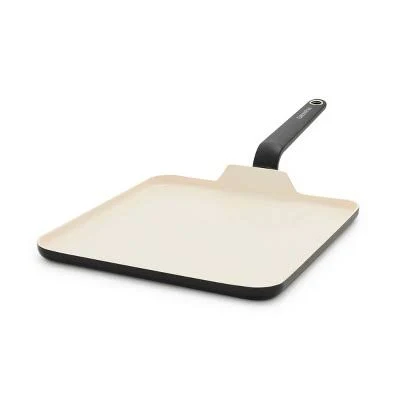
GreenPan
GreenPan Rio Advanced Ceramic Nonstick Griddle
70/100 safety
Same rubric that flunked this product. The swap earned Good.
Still want this one anyway? Check the price on Amazon. We’d swap it.
Material
Teflon-type coating non-stick coating, as disclosed by All-Clad
Lab data
No public lab test
You may also be interested in
Top-graded picks in the categories readers replace first, every one scored on the same rubric.

- polypropylene filter housing, carbon/sediment cartridge
- We found no PFAS statement from the brand
- Bacterial growth in spent cartridges
3 hazards checked on this product, all on its full breakdown.

Aquasure
Premier Series 75 GPD Under Sink Reverse Osmosis Water Filtration System
- RO membrane, carbon filters, stainless steel housing
- We found no PFAS statement from the brand
- Bacterial and microbial growth in housing and filters
4 hazards checked on this product, all on its full breakdown.

Avocado
Vegan Mattress
- organic cotton, natural latex, coconut coir, recycled steel coils
- The brand calls it PFAS-free, which we have not verified
- Heavy metals
2 hazards checked on this product, all on its full breakdown.
Is All-Clad HA1 Expert Burner Griddle non-toxic? What it is made of
This griddle features a Teflon-type coating (polytetrafluoroethylene) nonstick coating bonded to an aluminum cooking surface, with a stainless steel base for stability on cooktops. Teflon-type coating itself is chemically inert at normal cooking temperatures, but the manufacturing and potential thermal breakdown of Teflon-type coating releases fluorinated compounds (PFAS), which persist in the environment and human tissue. The aluminum core can leach small amounts of aluminum into food under acidic conditions or if the nonstick coating is compromised. All-Clad does not disclose the specific PFAS content, manufacturing process, or post-manufacture PFAS remediation.
What’s concerning
No PFAS disclosure
No PFAS-free statement from the brand for this product.
PTFE / Teflon confirmed
The brand discloses a Teflon-type coating.
Category baseline
The starting point for this type of product, before anything specific to this product is counted.
Teflon-type coating thermal degradation and fume emission
Teflon-type coating nonstick coatings can emit fluorinated compounds at temperatures above 500°F; no peer-reviewed evidence of harm at typical home cooking temperatures, but empty-pan overheating or broiler use pose acute risk. All-Clad does not emphasize this limit in standard packaging.
Aluminum leaching
The aluminum core can release small amounts of aluminum into acidic foods (tomatoes, vinegar, citrus) or if the nonstick coating is scratched or degraded. Cumulative dietary aluminum intake is a concern for some populations; extent of leaching from this product under normal use is not publicly tested.
Coating degradation and ingestion of particles
Nonstick coatings naturally degrade with use, especially if scratched or exposed to high heat. Flaking or peeling coating particles can be ingested; no established toxicity data for accidental ingestion of small Teflon-type coating fragments, but continued use of degraded cookware is not recommended.
Thermal shock or bonding failure
Rapid temperature changes (hot griddle to cold water) can weaken the bond between the nonstick coating and aluminum substrate over time, leading to premature peeling or flaking. This is a durability issue that indirectly increases hazard from coating ingestion if ignored.
What’s reassuring
Lead
All-Clad does not use hand-painted enamel finishes or ceramic glazes on this griddle; exterior stainless steel bands are not typically a source of lead or cadmium. No recalls or testing evidence of heavy metal contamination in this product line.
Source, ATSDR ↗How is this PFAS grade calculated?
The brand's record and disclosure
All-Clad is owned by Groupe SEB and markets itself as a premium cookware manufacturer but does not publish PFAS testing data, supply-chain transparency, or statements about PFOA or other legacy PFAS phase-outs in their nonstick formulations. The brand has not faced major cookware-specific recalls related to nonstick coatings. All-Clad provides standard care instructions but does not emphasize temperature limits or warning signs of coating degradation in relation to PFAS or fume risk.
How it compares in its category
Most nonstick griddles in this price range use Teflon-type coating or Teflon-type coating-based formulations; ceramic or cast iron alternatives eliminate Teflon-type coating but require different care. Brands such as GreenPan market Teflon-type coating-free nonstick options, though safety data on newer polymer coatings is still limited. All-Clad's Teflon-type coating is well-regarded for durability and heat distribution, meaning a longer functional lifespan before replacement becomes necessary, which can reduce the frequency of disposal and manufacturing impacts.
If you buy it
Never exceed 500°F; use medium to medium-high heat only. Hand-wash with soft sponges to preserve coating integrity; abrasive scrubbing or high dishwasher temperatures accelerate breakdown. Inspect the cooking surface regularly for chips, flaking, or discoloration; if the coating degrades visibly, discontinue use to avoid ingestion of coating fragments and potential PFAS exposure from degradation products. Allow cookware to cool before washing to prevent thermal shock that can weaken the bonded coating.
What is not known about PFAS in this product?
- Basis
- Model estimate, 35% confidence, not a lab result
- Lab test
- None on record for this exact product
- Brand statement
- All-Clad has made a specific claim
Formulations change between production runs, so check the current label. How we grade.
What are the PFAS-free alternatives to All-Clad HA1 Expert Cookware Nonstick Double Burner Griddle?
- Ceramic-based nonstick coating
- The brand calls it PFAS-free, which we have not verified
- Coating degradation and substrate exposure
3 hazards checked on this product, all on its full breakdown.
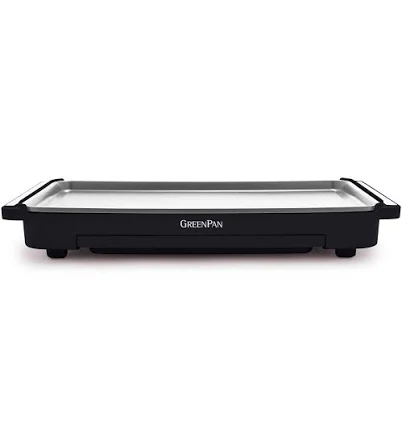
- Non-stick coating (type unspecified)
- The brand calls it PFAS-free, which we have not verified
- Non-stick coating degradation and leaching
4 hazards checked on this product, all on its full breakdown.
Find an alternative on Amazon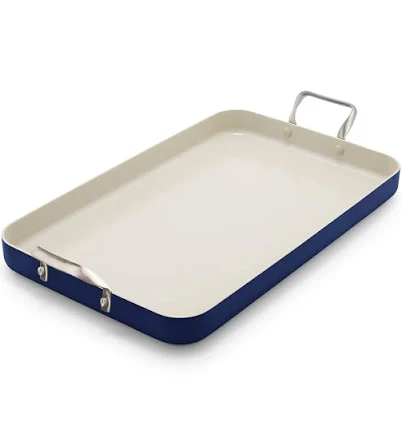
- Nonstick coating (composition not disclosed)
- The brand calls it PFAS-free, which we have not verified
- Nonstick coating composition (unknown chemistry)
4 hazards checked on this product, all on its full breakdown.
Find an alternative on AmazonMore griddle pans grades
How we score, every product runs through the same public 0-100 rubric based on materials, coatings, brand disclosure, lab findings, and recalls. See the full methodology → Spotted a mistake? Report an error.