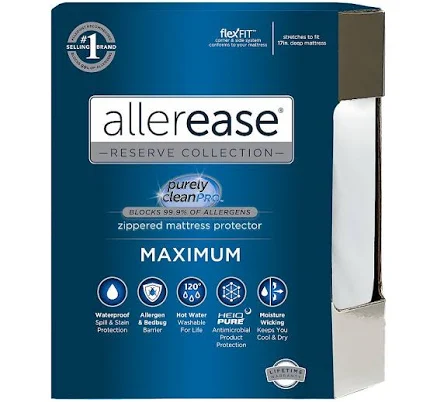
AllerEase · Mattress Protectors
Aller-Ease Allerease Maximum Allergy and Bedbug Waterproof Zippered Mattress Protector
Avoid, the brand is silent on waterproof coating composition.
The brand provides no public information about the waterproofing chemistry on this product. Waterproof textiles frequently rely on perfluorinated compounds for durability.
The better-graded swap
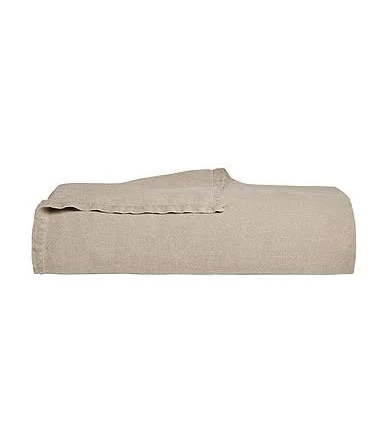
Parachute
Parachute Vintage Linen Bed Cover
75/100 safety
Same rubric that flunked this product. The swap earned Excellent.
Still want this one anyway? Check the price on Amazon. We’d swap it.
Material
Polyester/polyurethane blend with waterproof coating (unspecified)
Brand disclosure
Brand is silent on PFAS
Lab data
No public lab test
Is Aller-Ease Allerease Maximum Allergy non-toxic? What it is made of
This protector uses a polyester fabric face (common in budget mattress covers) bonded to a polyurethane foam or polymer waterproof backing. The coating composition is not specified on product pages or labels, meaning the waterproofing chemical type remains unknown to consumers. Polyurethane itself can release volatile organic compounds (VOCs), especially when new or if exposed to heat. The unspecified nature of the waterproof layer is the core concern, as it could contain PFAS, plasticizers, or other leachables depending on the manufacturer's formula.
What’s concerning
Category baseline
The starting point for this type of product, before anything specific to this product is counted.
No PFAS disclosure
No public statement from the brand about PFAS in this product.
Waterproof / stain-resistant treatment
Water-repellent coating treatments have historically used PFAS.
VOC off-gassing from polyurethane backing
New polyurethane layers typically emit volatile organic compounds during the first weeks to months of use. Intensity depends on ventilation, room temperature, and coating formulation. Symptoms may include headache, respiratory irritation, or odor sensitivity in poorly ventilated bedrooms.
Microplastics
Polyester fabrics can shed fibers with repeated washing and use, especially if seams or surface degrade. Inhalation or ingestion of microfibers is a theoretical concern, though most remains localized to bedding. No specific recalls for this brand, but inherent to polyester textiles.
Source, EPA ↗Unknown waterproof coating leachates
Unspecified polyurethane or acrylic waterproof coatings may contain plasticizers, surfactants, or residual solvents that could migrate to skin or inhalation pathways, especially in warm/humid conditions or during manufacturing off-gassing. The exact chemical risk cannot be assessed without ingredient disclosure.
Seam degradation and coating delamination
Polyurethane-polyester laminates can separate or weaken at stress points (seams, zippers) after 1-3 years of use, leading to loss of waterproof integrity. Repeated hot washing or mechanical stress accelerates failure; this is not a safety hazard per se but a durability issue that may drive premature replacement.
What’s reassuring
Flame retardants
While antimony compounds were historically used as flame retardants and dye catalysts in polyester, no specific testing or reports identify antimony in AllerEase products. Standard polyester textiles for bedding do not typically require flame-retardant treatment; risk is low but unverified by brand.
Source, EPA ↗The full breakdown
The brand's record and disclosure
AllerEase (Tontine Products Company) has made no public statement about PFAS use or avoidance in waterproof coatings. The brand advertises allergy-safety and bedbug resistance but does not provide third-party testing, chemical certifications (OEKO-TEX, Greenguard, etc.), or detailed material transparency. No major recalls specific to this model have been published by the CPSC. The silence on waterproof coating ingredients is typical of mid-market brands but represents a gap in consumer protection compared to certified competitors.
How it compares in its category
Budget waterproof mattress protectors often use undisclosed polyurethane or acrylic coatings; premium alternatives (Coyuchi, Organic Textiles) disclose materials and carry OEKO-TEX or GOTS certification. AllerEase sits in the mid-price, mid-transparency tier. Most competitors at this price point also withhold coating details, making direct comparison difficult. If PFAS avoidance is a priority, you would need to upgrade to brands with explicit PFAS-free claims or certified organic/eco-lines, typically at 50-100% higher cost.
If you buy it
Allow 24-48 hours of outdoor airing before first use to reduce new-polyurethane odor. Wash in cool or warm water only; hot water can degrade polyurethane and increase leaching. Do not dry-clean or expose to direct heat. Inspect annually for coating wear, tears, or pilling; replace if waterproofing fails to prevent mattress damage. If anyone in the household has chemical sensitivities or asthma, request a sample or return option to test tolerance first.
What we don’t know
- Basis
- Model estimate, 45% confidence, not a lab result
- Lab test
- None on record for this exact product
- Brand statement
- AllerEase has made none
Formulations change between production runs, so check the current label. How we grade.
Better-graded alternatives in Mattress Protectors
Parachute
Vintage Linen Bed Cover
- 100% linen, no reported coating
- We found no PFAS statement from the brand
- Heavy metals
3 hazards checked on this product. See all of them.
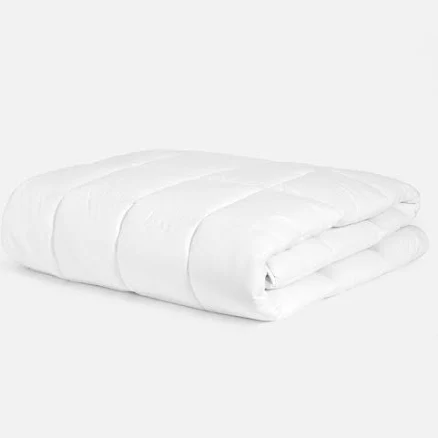
Brooklinen
Down Alternative Mattress Topper
- polyester down-alternative filling
- We found no PFAS statement from the brand
- Azo dyes and colorant migration
4 hazards checked on this product. See all of them.
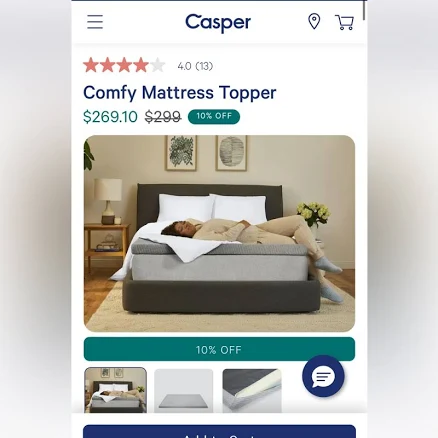
Casper
Sleep Comfy Mattress Topper
- Polyurethane foam, cotton/polyester blend cover
- We found no PFAS statement from the brand
- Volatile Organic Compound (VOC) off-gassing
3 hazards checked on this product. See all of them.
More mattress protectors grades
How we score, every product runs through the same public 0-100 rubric based on materials, coatings, brand disclosure, lab findings, and recalls. See the full methodology → Spotted a mistake? Report an error.