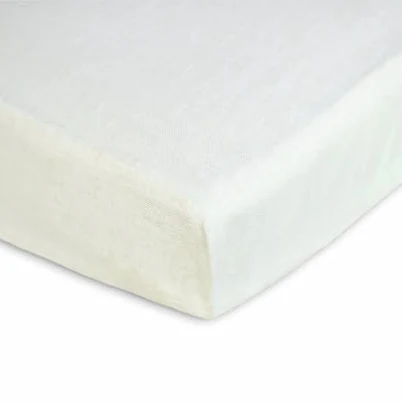
Waterproof Mattress Protector Waxed Linen Cover Default_cpc_85DC90A9FD6C4, Is It Non-Toxic?
Waterproof backing chemistry not disclosed, a transparency gap for this product.
This protector has a waxed linen cover, a traditional material, but the brand does not disclose the chemistry of the waterproof backing. The brand has no PFAS statement on record. water-repellent coating treatments historically used PFAS.
The better-graded swap
Avocado Green Mattress
Organic Cotton Mattress Pad Protector
85/100 safety
Same rubric that flunked this product. The swap earned Excellent.
Still want this one anyway? Check the price on Amazon. We’d swap it.
Material
Waxed linen cover with waterproof backing
Brand disclosure
Brand is silent on PFAS
Lab data
No public lab test
You may also be interested in
Top-graded picks in the categories readers replace first, every one scored on the same rubric.

- polypropylene filter housing, carbon/sediment cartridge
- We found no PFAS statement from the brand
- Bacterial growth in spent cartridges
3 hazards checked on this product, all on its full breakdown.

Aquasure
Premier Series 75 GPD Under Sink Reverse Osmosis Water Filtration System
- RO membrane, carbon filters, stainless steel housing
- We found no PFAS statement from the brand
- Bacterial and microbial growth in housing and filters
4 hazards checked on this product, all on its full breakdown.

Avocado
Vegan Mattress
- organic cotton, natural latex, coconut coir, recycled steel coils
- The brand calls it PFAS-free, which we have not verified
- Heavy metals
2 hazards checked on this product, all on its full breakdown.
Is Waterproof Default_cpc_85DC90A9FD6C4 non-toxic? What it is made of
The brand's protector combines a waxed linen top layer with an unstated waterproof backing. Waxed linen itself is a traditional, low-chemical textile typically treated with paraffin or beeswax for water resistance. The hazard hides in the backing, waterproof coatings often rely on synthetic polymers or fluorochemical finishes to repel moisture, and the brand has not publicly disclosed which chemistry they use. The absence of this detail is the primary concern.
What’s concerning
Category baseline
The starting point for this type of product, before anything specific to this product is counted.
No PFAS disclosure
No public statement from the brand about PFAS in this product.
Waterproof / stain-resistant treatment
Water-repellent coating treatments have historically used PFAS.
Waterproof backing chemistry (undisclosed)
The brand does not publicly specify whether the backing uses polyurethane, acrylic, latex, or fluorinated polymers. Polyurethane can off-gas isocyanates; fluorinated coatings may contain PFOA-class compounds. Lack of disclosure prevents assessment.
Residual solvents from manufacturing
Waxing and waterproof coating processes often use organic solvents or solvent carriers. If not fully cured or volatilized, these can off-gas initially, particularly if stored in warm conditions. Well-ventilated storage and airing before first use reduces risk.
Coating degradation and leaching over time
Waxed linen and synthetic backings degrade with washing, heat, and age. Fragmented coating particles or leached polymeric breakdown products could theoretically contact skin or migrate to bedding, though evidence is sparse. Machine washing and high heat accelerate this.
Allergic reaction to wax or adhesives
Individuals with nut allergies (if beeswax or plant wax is used) or sensitivities to paraffin or synthetic adhesives in seams may experience contact dermatitis or respiratory irritation. Occurs rarely; usually manageable with barrier or alternative product.
What’s reassuring
Formaldehyde / VOCs
Linen is sometimes treated with formaldehyde-based resins for wrinkle resistance or durability. The brand does not disclose whether the linen substrate is treated; if it is, residual formaldehyde is a minor inhalation and skin-contact risk, especially in warm bedrooms.
Source, ATSDR ↗How is this PFAS grade calculated?
The brand's record and disclosure
The brand has not published substantive third-party certifications (e.g., OEKO-TEX, GOTS) or detailed material safety disclosures for this product line. The brand markets comfort and durability rather than chemical safety, and does not address PFAS, formaldehyde resins, or backing-coating composition on product pages. No recalls or documented safety incidents are on record for this specific protector. Silence on waterproof treatment is a transparency gap rather than evidence of harm.
How it compares in its category
Most mattress protectors use polyurethane, polyester microfiber, or PVC backings to waterproof; waxed linen is a rarer, more traditional choice and typically lower-toxicity than synthetic alternatives. Certified organic or OEKO-TEX-certified protectors from brands like Naturepedic or Avocado explicitly disclose coating chemistry and often avoid PFAS; The brand does not compete on transparency. This product sits in a middle ground, material choice is sound, but vendor accountability is weak.
If you buy it
Wash cold and air-dry to avoid stressing any coating and minimize off-gassing of residual solvents. Do not machine-dry or expose to high heat, as synthetic backings may degrade and leach. Inspect seams and coatings annually for degradation; replace if peeling, cracking, or odor develops. Request the brand's safety data sheet or certification for the waterproof layer before purchase if you have chemical sensitivities; their silence suggests they may not have one readily available.
What is not known about PFAS in this product?
- Basis
- Model estimate, 72% confidence, not a lab result
- Lab test
- None on record for this exact product
- Brand statement
- has made none
Formulations change between production runs, so check the current label. How we grade.
What are the PFAS-free alternatives to Waterproof Mattress Protector Waxed Linen Cover Default_cpc_85DC90A9FD6C4?
- organic cotton
- We found no PFAS statement from the brand
- No PFAS statement found from the brand
- Organic cotton
- We found no PFAS statement from the brand
- Waterproofing chemical exposure
2 hazards checked on this product, all on its full breakdown.
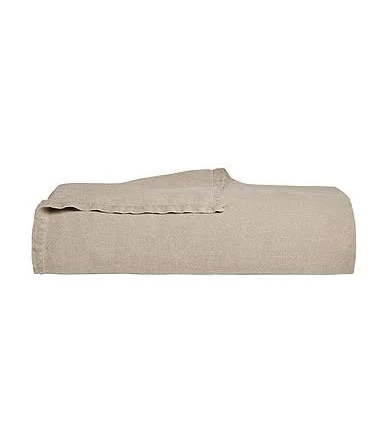
- 100% linen, no reported coating
- We found no PFAS statement from the brand
- Heavy metals
3 hazards checked on this product, all on its full breakdown.
More mattress protectors grades
How we score, every product runs through the same public 0-100 rubric based on materials, coatings, brand disclosure, lab findings, and recalls. See the full methodology → Spotted a mistake? Report an error.