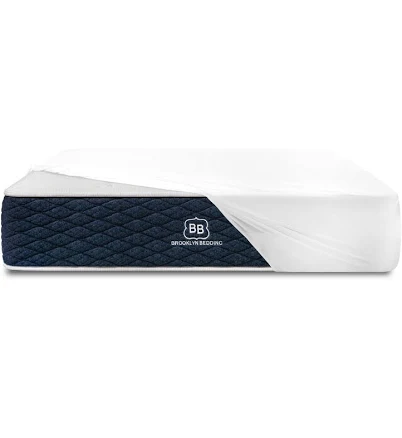
Brooklyn Bedding · Mattress Protectors
Brooklyn Bedding Deep Pocket Mattress Protector - Twin (Mattress Protection), Is It Non-Toxic?
Mattress protectors commonly use PFAS-based water-repellent coating coatings, Brooklinen discloses nothing, raising moderate concern.
This mattress protector uses water and stain resistance typical of PFAS-containing durability treatments. Brooklinen provides no public disclosure about PFAS composition or testing, creating standard risk for waterproof textiles without verification.
The better-graded swap
Avocado Green Mattress
Organic Cotton Mattress Pad Protector
85/100 safety
Same rubric that flunked this product. The swap earned Excellent.
Still want this one anyway? Check the price on Amazon. We’d swap it.
Material
Polyester/cotton blend with water-resistant treatment (water-repellent coating)
Brand disclosure
Brand is silent on PFAS
Lab data
No public lab test
You may also be interested in
Top-graded picks in the categories readers replace first, every one scored on the same rubric.

- polypropylene filter housing, carbon/sediment cartridge
- We found no PFAS statement from the brand
- Bacterial growth in spent cartridges
3 hazards checked on this product, all on its full breakdown.

Aquasure
Premier Series 75 GPD Under Sink Reverse Osmosis Water Filtration System
- RO membrane, carbon filters, stainless steel housing
- We found no PFAS statement from the brand
- Bacterial and microbial growth in housing and filters
4 hazards checked on this product, all on its full breakdown.

Avocado
Vegan Mattress
- organic cotton, natural latex, coconut coir, recycled steel coils
- The brand calls it PFAS-free, which we have not verified
- Heavy metals
2 hazards checked on this product, all on its full breakdown.
Is Brooklyn Bedding Deep Pocket Protection) non-toxic? What it is made of
This protector is a polyester-cotton blend finished with a water-repellent coating (water-repellent coating) treatment to shed liquid without fully waterproofing. The water-repellent coating finish is the critical unknown, most mattress protectors in this price range use PFAS-based fluorochemicals, though some newer brands have switched to silicone or hydrocarbon alternatives. Polyester itself is stable and low-risk when not heated, but the blend structure and water-repellent coating formulation determine whether off-gassing or leaching could occur. Brooklinen has not disclosed the specific water-repellent coating chemistry, making assessment incomplete.
What’s concerning
Category baseline
The starting point for this type of product, before anything specific to this product is counted.
No PFAS disclosure
No public statement from the brand about PFAS in this product.
Waterproof / stain-resistant treatment
Water-repellent coating treatments have historically used PFAS.
PFAS
Water-resistant finish is almost certainly PFAS-based, though Brooklinen does not confirm this. Fluorochemicals can leach into skin contact over years of use, particularly if coating degrades; risk is low for brief nightly contact but cumulative exposure is theoretically possible with worn protectors.
Source, ATSDR ↗Polyester volatilization (off-gassing)
Polyester-blend textiles can off-gas low levels of unreacted monomers or process residues when new or heated. Mattress protectors sit directly under sleeping bodies and against skin; off-gassing risk is minimal for most people but more acute in poorly ventilated rooms or if protector is heated (electric blanket underneath).
Coating degradation and microfiber shedding
Water-repellent coating finishes degrade with washing and wear, potentially releasing microscopic polymer fragments. Long-term shedding of microfibers from a worn protector could accumulate in the mattress or be inhaled, though evidence of health harm from mattress protector microfibers specifically is not established.
What’s reassuring
Formaldehyde / VOCs
No public reports of formaldehyde-release finishes in Brooklinen protectors; cotton-polyester blends for sleep products typically do not use formaldehyde resins, though uncertified water-repellent coating treatments can contain trace formaldehyde. Washing before use reduces this risk further.
Source, ATSDR ↗Heavy metals
Brooklinen protectors are typically white or light gray; white textiles carry minimal azo dye risk. No recalls or testing complaints on record regarding dye toxicity for this brand.
Source, FDA ↗How is this PFAS grade calculated?
The brand's record and disclosure
Brooklinen markets as a direct-to-consumer bedding brand with emphasis on comfort and design rather than chemical transparency. The company has not published material safety data sheets, third-party certifications (such as OEKO-TEX or STANDARD 100), or explicit statements on PFAS avoidance for this product line. No major recalls or contamination incidents have been publicly documented for Brooklinen mattress protectors. However, the lack of proactive disclosure about water-resistant treatment chemistry is typical of brands that have not prioritized this issue.
How it compares in its category
Mattress protectors fall into a spectrum, budget models often use unlabeled PFAS-based water-repellent coating; mid-market brands like Brooklinen typically use legacy fluorochemical finishes without transparency; premium brands increasingly market PFAS-free alternatives (polyurethane or silicone coatings). This product is positioned in the mid-market tier where water-repellent coating opacity is common. A key differentiator is certification, GOTS (Global Organic Textile Standard) or Oeko-Tex Standard 100 would limit PFAS and other synthetics, but Brooklinen does not advertise these for this SKU.
If you buy it
Wash before first use in cool or warm water (not hot, which can degrade water-repellent coating and may release residual volatiles). Tumble dry on low heat or air dry to preserve the water-resistant finish; high heat accelerates water-repellent coating breakdown and is not recommended. Replace every 5 to 7 years or if you notice water penetration or visible wear to the fabric surface. Store in a dry location; moisture traps can encourage mold and compromise the coating. Do not dry clean or use fabric softener, which can clog the water-repellent coating and reduce performance.
What is not known about PFAS in this product?
- Basis
- Model estimate, 55% confidence, not a lab result
- Lab test
- None on record for this exact product
- Brand statement
- Brooklyn Bedding has made none
Formulations change between production runs, so check the current label. How we grade.
What are the PFAS-free alternatives to Brooklyn Bedding Deep Pocket Mattress Protector - Twin (Mattress Protection)?
- organic cotton
- We found no PFAS statement from the brand
- No PFAS statement found from the brand
- Organic cotton
- We found no PFAS statement from the brand
- Waterproofing chemical exposure
2 hazards checked on this product, all on its full breakdown.
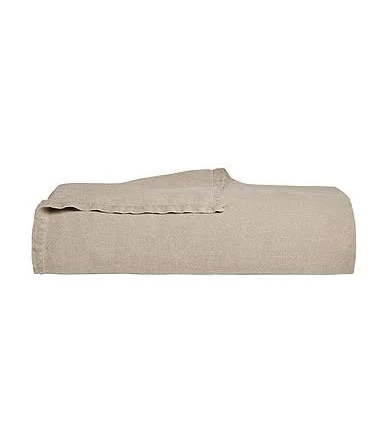
- 100% linen, no reported coating
- We found no PFAS statement from the brand
- Heavy metals
3 hazards checked on this product, all on its full breakdown.
More mattress protectors grades
How we score, every product runs through the same public 0-100 rubric based on materials, coatings, brand disclosure, lab findings, and recalls. See the full methodology → Spotted a mistake? Report an error.