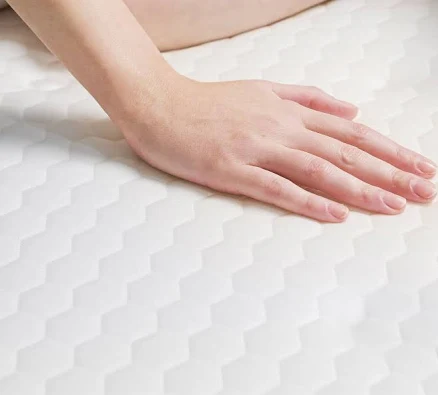
GlacioTex Mattress Protector by Helix Twin, Is It Non-Toxic?
Avoid unless Helix commits to PFAS transparency or obtains third-party testing.
This mattress protector uses durability treatments to resist stains and moisture, a common PFAS application in textiles. Helix discloses no PFAS information, fluorochemical use, or testing, leaving legacy concern for treated textiles unresolved.
The better-graded swap
Avocado Green Mattress
Organic Cotton Mattress Pad Protector
85/100 safety
Same rubric that flunked this product. The swap earned Excellent.
Still want this one anyway? Check the price on Amazon. We’d swap it.
Material
Polyester blend with water-repellent coating (likely fluorinated)
Brand disclosure
Brand is silent on PFAS
Lab data
No public lab test
You may also be interested in
Top-graded picks in the categories readers replace first, every one scored on the same rubric.

- polypropylene filter housing, carbon/sediment cartridge
- We found no PFAS statement from the brand
- Bacterial growth in spent cartridges
3 hazards checked on this product, all on its full breakdown.

Aquasure
Premier Series 75 GPD Under Sink Reverse Osmosis Water Filtration System
- RO membrane, carbon filters, stainless steel housing
- We found no PFAS statement from the brand
- Bacterial and microbial growth in housing and filters
4 hazards checked on this product, all on its full breakdown.

Avocado
Vegan Mattress
- organic cotton, natural latex, coconut coir, recycled steel coils
- The brand calls it PFAS-free, which we have not verified
- Heavy metals
2 hazards checked on this product, all on its full breakdown.
Is GlacioTex Mattress Protector by Helix Twin non-toxic? What it is made of
GlacioTex is a polyester-blend fabric with a water-repellent coating (water-repellent coating) finish, almost certainly fluorinated given industry standard practice for mattress protectors. Polyester itself is stable and does not leach under normal use. However, the water-repellent coating, applied to resist liquids, is the material class most associated with PFAS contamination in textiles. water-repellent coating finishes degrade with washing and age, potentially releasing coating particles and chemicals into the environment and home.
What’s concerning
No PFAS disclosure
No public statement from the brand about PFAS in this product.
Category baseline
The starting point for this type of product, before anything specific to this product is counted.
Waterproof / stain-resistant treatment
Water-repellent coating treatments have historically used PFAS.
PFAS
Water-repellent coating finishes on polyester textiles are predominantly fluorinated in the mattress-protector category. No lab testing for this specific Helix model is publicly available, but material type and industry practice indicate PFAS presence is probable. Degradation during washing and use is known to release coating residues.
Source, ATSDR ↗Formaldehyde / VOCs
Some water-repellent coating and other finish treatments may use formaldehyde-releasing resins for durability. No formaldehyde warning is published for this product. GlacioTex is designed for direct skin contact (on mattresses), so if formaldehyde is present, off-gassing would be minimal post-wash but cannot be fully ruled out without testing.
Source, ATSDR ↗Microplastic shedding
Polyester textiles shed microfibers with wear and washing, a documented environmental and potential inhalation concern. water-repellent coating coatings that degrade accelerate this shedding. GlacioTex, as a polyester blend subject to friction and laundering, will shed fibers over its lifetime; this is inherent to the material category, not unique to Helix.
What’s reassuring
Azo dyes
No public safety data or recalls indicate problematic azo-dye content in GlacioTex. Polyester blends in protective textiles are often dyed, but restricted azo dyes are regulated in EU and many brand standards. Without ingredient disclosure, this cannot be ruled out but is not a documented concern for Helix products.
Antimony catalyst in polyester
Polyester fibers may contain trace antimony (a catalyst used in polyester synthesis). Levels are typically very low and immobilized in the polymer matrix, so migration into skin or food is negligible. No specific safety alert exists for Helix polyester textiles. Risk is theoretical and far below that of intentional antimony additives (e.g., flame retardants).
How is this PFAS grade calculated?
The brand's record and disclosure
Helix has not published transparency reports on PFAS use in textiles, chemical inventories, or third-party testing results for this protector. The company is known for mattress innovation but has remained silent on per- and polyfluoroalkyl substance sourcing. No public recalls or safety violations are on record for this product. Without commitment to PFAS disclosure or independent certification (e.g., OEKO-TEX 100, GOTS), Helix's stance cannot be verified as precautionary.
How it compares in its category
Most mattress protectors use polyester with fluorinated water-repellent coating coatings; this is industry baseline. Some competitors (e.g., certified organic or PFAS-free alternatives) offer non-fluorinated water resistance via wax or silicone-based finishes, though these are less common and often more expensive. Helix's product is typical in formulation but without transparency, it does not stand out as having lower concern within the category. If PFAS content is a concern, actively seek brands with third-party testing or explicit PFAS-free certifications.
If you buy it
Wash before use and limit to cold water; hot water may accelerate water-repellent coating breakdown and shedding. Do not dry clean. Replace every 2-3 years or sooner if visible wear, pilling, or water-repellency loss occurs, as degraded coating increases particle release. Store away from direct sunlight and extreme humidity to slow aging. Consider pairing with a second, non-treated barrier layer (e.g., plain cotton sheet) between mattress and protector if you wish to minimize exposure to coating degradation products.
What is not known about PFAS in this product?
- Basis
- Model estimate, 55% confidence, not a lab result
- Lab test
- None on record for this exact product
- Brand statement
- Helix has made none
Formulations change between production runs, so check the current label. How we grade.
What are the PFAS-free alternatives to GlacioTex Mattress Protector by Helix Twin?
- organic cotton
- We found no PFAS statement from the brand
- No PFAS statement found from the brand
- Organic cotton
- We found no PFAS statement from the brand
- Waterproofing chemical exposure
2 hazards checked on this product, all on its full breakdown.
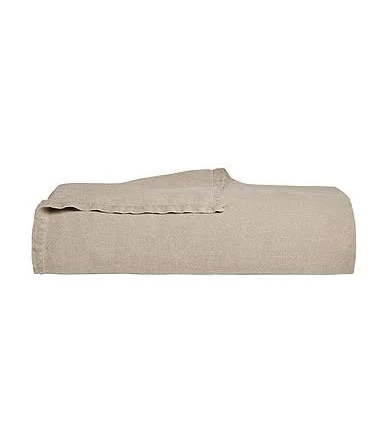
- 100% linen, no reported coating
- We found no PFAS statement from the brand
- Heavy metals
3 hazards checked on this product, all on its full breakdown.
More mattress protectors grades
How we score, every product runs through the same public 0-100 rubric based on materials, coatings, brand disclosure, lab findings, and recalls. See the full methodology → Spotted a mistake? Report an error.