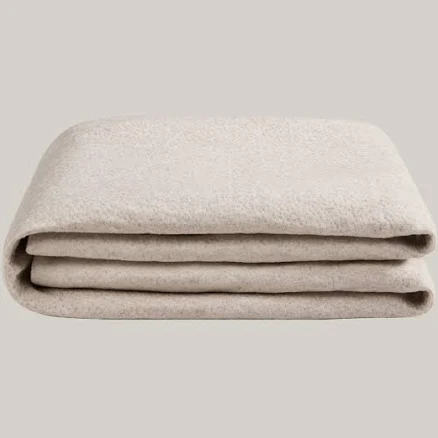
Keetsa Waterproof Mattress Protector Fitted Sheet
Skip until Keetsa discloses waterproofing chemistry or certifies PFAS-free.
Unidentified water-repellent coating typical of this product category represents a common PFAS vector. Brand provides no public disclosure of coating chemistry or PFAS status.
The better-graded swap

Brooklyn Bedding
Brooklyn Bedding Mattress Encasement, Twin
75/100 safety
Same rubric that flunked this product. The swap earned Excellent.
Still want this one anyway? Check the price on Amazon. We’d swap it.
Material
Polyester/polyurethane waterproof coating (unspecified water-repellent coating agent)
Brand disclosure
Brand is silent on PFAS
Lab data
No public lab test
Is Keetsa Waterproof Mattress Protector non-toxic? What it is made of
This product is a polyester base fabric with a polyurethane waterproof backing layer. The manufacturer has not disclosed which water-repellent coating (water-repellent coating) agent or processing method creates the waterproof barrier, which is the core transparency gap. Polyurethane coatings themselves are stable when cured, but the unspecified water-repellent coating chemistry is where PFAS-based fluorocarbon compounds are commonly used in this product category, creating uncertainty about what you're sleeping on nightly.
What’s concerning
Category baseline
The starting point for this type of product, before anything specific to this product is counted.
No PFAS disclosure
No public statement from the brand about PFAS in this product.
Waterproof / stain-resistant treatment
Water-repellent coating treatments have historically used PFAS.
Phthalates
Polyurethane formulations may contain phthalate plasticizers to improve flexibility; industry standards vary. No specific recall or test data is on record for Keetsa brand, but this is a known variable in polyurethane textiles. Risk is low with direct skin contact on a fitted sheet, but indoor air exposure over years is unclear.
Source, ATSDR ↗Volatile organic compound (VOC) off-gassing from polyurethane coating
New polyurethane-coated textiles commonly emit VOCs (including toluene and isocyanate traces) during the first few weeks of use. This is typically mild and diminishes with airing, but no off-gassing profile is documented for this specific product. Ventilation of the room and product before use minimizes exposure.
Coating degradation and microparticle shedding over time
Polyurethane coatings naturally crack and flake with age, heat cycling, and flexing. While large pieces are easy to see and remove, microscopic degradation particles may be inhaled or ingested indirectly. Replacement every 2 to 3 years reduces this risk; visible peeling is a clear replacement signal.
Bacterial and mold growth if moisture is trapped
Waterproof barriers can trap sweat and moisture against the mattress if not aired regularly, creating an environment for mildew and bacteria. This is a use and maintenance issue, not a chemical one, but poor ventilation can increase exposure to microbial metabolites and musty compounds.
PFAS
The manufacturer's silence on water-repellent coating chemistry is the primary safety gap. Industry data shows most low-cost waterproof textiles use legacy PFOA or GenX-class PFAS. Keetsa's lack of certification or statement leaves this unresolved and is the reason for the 30/100 PFAS score and the primary driver of the care verdict.
Source, ATSDR ↗The full breakdown
The brand's record and disclosure
Keetsa has not publicly disclosed the chemical composition of the waterproofing layer or provided PFAS-free certification for this mattress protector. The brand does not appear to have a documented sustainability or chemical transparency initiative comparable to competitors like Avocado or Naturepedic. Without a clear statement from Keetsa about whether their water-repellent coating agent is PFAS-based, fluorocarbon-free, or uses newer wax/paraffin alternatives, the product remains in a gray zone regarding your actual exposure risk.
How it compares in its category
Most waterproof mattress protectors in this price range use one of three approaches, PFAS-based water-repellent coating (standard, cheap), older paraffin/wax coatings (less water-repellent, more prone to breakdown), or newer PFAS-free alternatives (polyester-based, certified). Keetsa's lack of disclosure suggests they may be using conventional water-repellent coating chemistry. Higher-transparency brands like Bamboo Baby or Naturepedic explicitly certify PFAS-free; Keetsa's silence puts it at the cautious end of the spectrum for this category.
If you buy it
Wash in cool water on a gentle cycle; hot water can degrade polyurethane coatings and may increase chemical leaching. Air dry completely to avoid mold and mildew in the backing layer. Replace every 2 to 3 years once the coating shows cracking, peeling, or loss of water beading. Contact Keetsa directly to request the Safety Data Sheet (SDS) for the waterproof layer before purchase, so you have written confirmation of the water-repellent coating agent used.
What we don’t know
- Basis
- Model estimate, 55% confidence, not a lab result
- Lab test
- None on record for this exact product
- Brand statement
- Keet has made none
Formulations change between production runs, so check the current label. How we grade.
Better-graded alternatives in Mattress Protectors
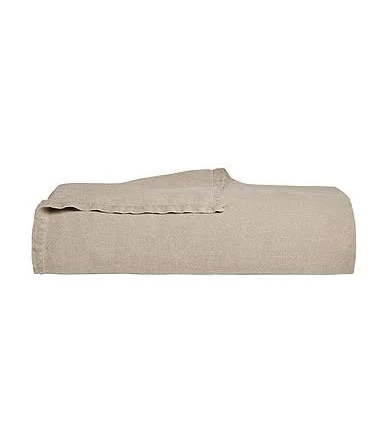
Parachute
Vintage Linen Bed Cover
- 100% linen, no reported coating
- We found no PFAS statement from the brand
- Heavy metals
3 hazards checked on this product. See all of them.
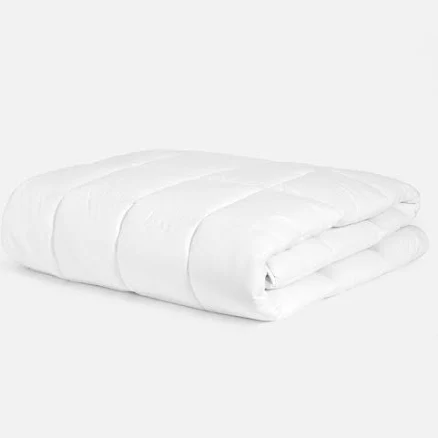
Brooklinen
Down Alternative Mattress Topper
- polyester down-alternative filling
- We found no PFAS statement from the brand
- Azo dyes and colorant migration
4 hazards checked on this product. See all of them.
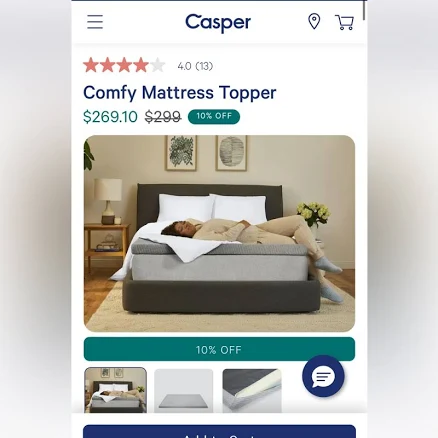
Casper
Sleep Comfy Mattress Topper
- Polyurethane foam, cotton/polyester blend cover
- We found no PFAS statement from the brand
- Volatile Organic Compound (VOC) off-gassing
3 hazards checked on this product. See all of them.
More mattress protectors grades
How we score, every product runs through the same public 0-100 rubric based on materials, coatings, brand disclosure, lab findings, and recalls. See the full methodology → Spotted a mistake? Report an error.