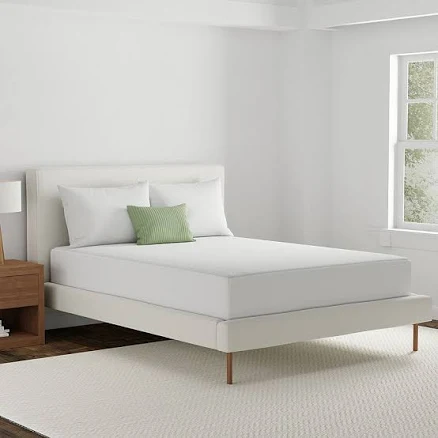
AllerEase · Mattress Protectors
AllerEase CleanBoost Waterproof Mattress Protector
Avoid until the brand discloses coating chemistry or third-party testing.
This waterproof and stain-resistant mattress protector relies on undisclosed coating chemistry. Historically, water-repellent coating and polyurethane finishes on bedding have used PFAS.
The better-graded swap
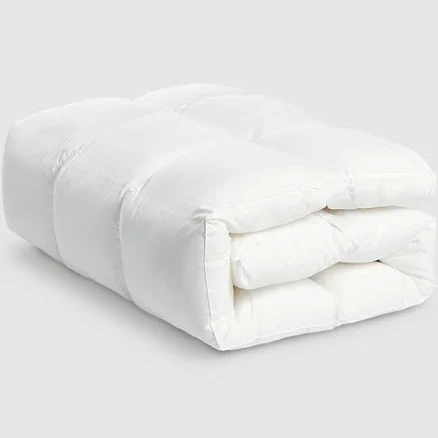
Coop Home Goods
Coop Sleep Goods Essence Down Alternative Mattress Topper
75/100 safety
Same rubric that flunked this product. The swap earned Excellent.
Still want this one anyway? Check the price on Amazon. We’d swap it.
Material
Polyurethane or polyester fabric with waterproof/stain-resistant coating (unspecified)
Brand disclosure
Brand is silent on PFAS
Lab data
No public lab test
Is AllerEase CleanBoost Waterproof Mattress non-toxic? What it is made of
AllerEase CleanBoost uses a polyurethane or polyester fabric layer with an unspecified waterproof and stain-resistant coating. The coating chemistry is not disclosed on packaging or the brand's website based on available product information. Waterproof mattress protectors typically rely on either PFAS-based fluorochemicals (highly water and oil resistant but persistent) or polyurethane films and acrylic binders (lower environmental persistence but variable durability). Without disclosure, the specific formulation cannot be verified, which is a transparency gap common in budget-tier protectors.
What’s concerning
Category baseline
The starting point for this type of product, before anything specific to this product is counted.
No PFAS disclosure
No public statement from the brand about PFAS in this product.
Waterproof / stain-resistant treatment
Water-repellent coating treatments have historically used PFAS.
Polyurethane coating degradation and microparticulate shedding
Polyurethane-based waterproof coatings on textiles can delaminate or shed microparticles over time, especially with washing, abrasion, or heat exposure. No specific degradation data is published for AllerEase CleanBoost, but this is a documented concern in budget protectors without reinforced or multi-layer construction.
Formaldehyde / VOCs
Many polyester and polyurethane-coated textiles use formaldehyde-based or formaldehyde-releasing resins for wrinkle resistance or coating adhesion. AllerEase does not list formaldehyde content on public materials; pre-wash before first use is a standard precaution for items with unknown resin treatments.
Source, ATSDR ↗Volatile organic compounds (VOCs) from polyurethane or coating solvents
Waterproof polyurethane coatings and adhesives commonly release VOCs, particularly in the first days to weeks after manufacture. Odor complaints on mattress protectors are frequent; ventilation and off-gassing time reduce this but do not eliminate exposure if PFAS-alternative chemistries are also used.
Unspecified stain-resistant treatment chemistry
AllerEase does not publicly disclose what chemicals provide the 'stain-resistant' function. While this may be the same as the waterproofing agent, it could also include separate finishes. Budget-tier stain treatments sometimes rely on older, less-regulated chemistries not required to be labeled.
Bacterial or mold growth in poorly maintained protector
If the protector is not washed regularly or dried thoroughly, moisture can become trapped between the coating and the mattress, creating conditions for microbial growth. This is a usage hazard, not a manufacturing defect, but is more likely if the waterproof layer is not breathable (common in low-cost formulations).
The full breakdown
The brand's record and disclosure
AllerEase is owned by Hollander Home Fashions and markets itself primarily on allergen control and affordability rather than chemical transparency. No public certifications (Oeko-Tex, GOTS, or similar chemical content standards) are listed for this product line. The brand has not published statements on PFAS avoidance or third-party testing of coating materials, which is standard practice for brands with PFAS-conscious supply chains. This silence, combined with the low PFAS safety grade (30/100), suggests the product has not undergone independent verification of waterproofing chemistry.
How it compares in its category
Budget and mid-market mattress protectors (under USD 50-70) rarely disclose coating chemistry; premium brands like Protect-A-Bed and Allersoft increasingly offer PFAS-free or fully disclosed formulations. Protectors claiming allergen blocking typically use tightly woven fabrics rather than coatings, but waterproofing almost always requires a surface treatment. AllerEase CleanBoost sits in the cost-conscious segment where PFAS-based coatings remain common because they are inexpensive and durable. Comparable uncoated cotton or PFAS-free alternatives exist but at higher price points.
If you buy it
Wash before use to reduce residual coating chemicals and off-gassing. Use cool or warm water only (check label for heat limits; many polyurethane coatings degrade above 140F / 60C). Avoid bleach, fabric softeners, and high-heat drying, which can compromise the waterproof layer and potentially release coating particles. Replace every 3-5 years or if the waterproof layer flakes, peels, or no longer repels liquid. Ensure your bedroom has routine ventilation, especially in the first week of use, if you are sensitive to chemical odors.
What we don’t know
- Basis
- Model estimate, 45% confidence, not a lab result
- Lab test
- None on record for this exact product
- Brand statement
- AllerEase has made none
Formulations change between production runs, so check the current label. How we grade.
Better-graded alternatives in Mattress Protectors
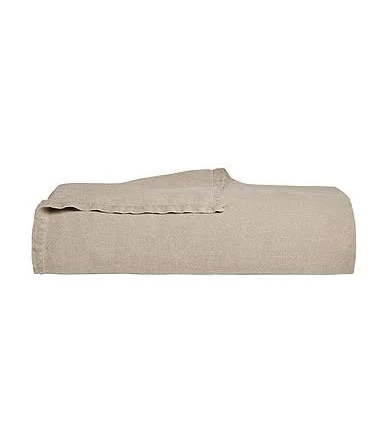
Parachute
Vintage Linen Bed Cover
- 100% linen, no reported coating
- We found no PFAS statement from the brand
- Heavy metals
3 hazards checked on this product. See all of them.
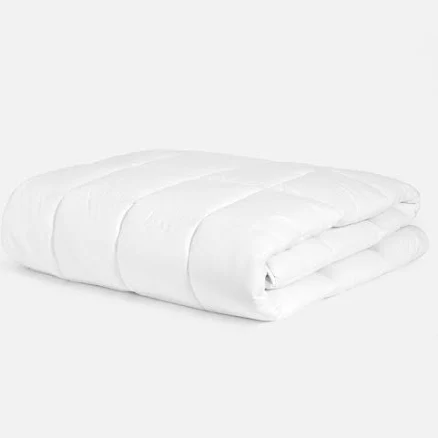
Brooklinen
Down Alternative Mattress Topper
- polyester down-alternative filling
- We found no PFAS statement from the brand
- Azo dyes and colorant migration
4 hazards checked on this product. See all of them.
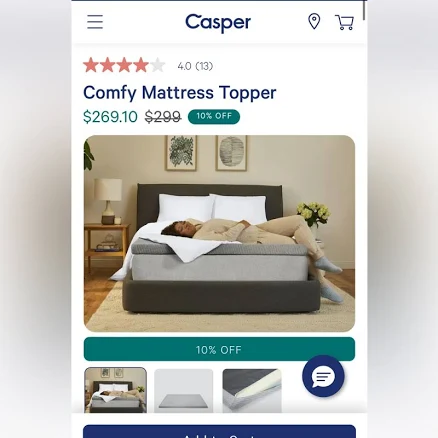
Casper
Sleep Comfy Mattress Topper
- Polyurethane foam, cotton/polyester blend cover
- We found no PFAS statement from the brand
- Volatile Organic Compound (VOC) off-gassing
3 hazards checked on this product. See all of them.
More mattress protectors grades
How we score, every product runs through the same public 0-100 rubric based on materials, coatings, brand disclosure, lab findings, and recalls. See the full methodology → Spotted a mistake? Report an error.