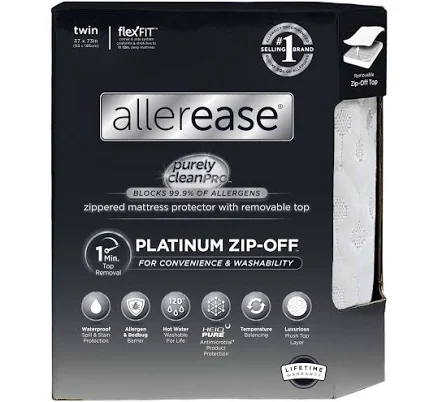
AllerEase · Mattress Protectors
Allerease Platinum Zip-Off Top Mattress Protector
Avoid until the brand discloses coating chemistry or third-party testing.
This polyester mattress protector includes waterproof and stain-resistant coatings that the brand does not publicly detail. Mattress protectors often rely on PFAS-based water repellents.
The better-graded swap
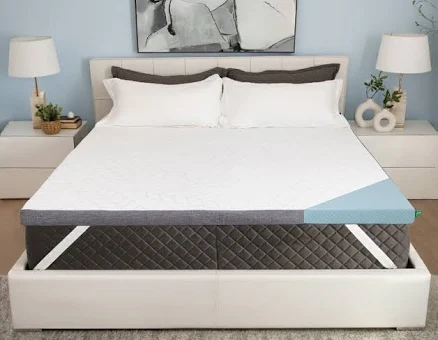
Sleepyhead
Sleepyhead 3 Gel-Infused Memory Foam Mattress Topper with Washable Cover
75/100 safety
Same rubric that flunked this product. The swap earned Excellent.
Still want this one anyway? Check the price on Amazon. We’d swap it.
Material
Polyester blend with unspecified waterproof/stain-resistant coating
Brand disclosure
Brand is silent on PFAS
Lab data
No public lab test
Is Allerease Platinum Zip-Off Top Mattress non-toxic? What it is made of
AllerEase Platinum uses a polyester blend fabric with an unspecified waterproof and stain-resistant coating. The coating chemistry is not publicly disclosed, which is the core concern, waterproof mattress protectors typically use either PFAS-based (fluorocarbon) or non-PFAS alternatives like polyurethane or wax-based systems. Without disclosure, you cannot know which. Polyester itself is stable under normal use, but the coating's durability and off-gassing profile under heat (from body warmth and washing) remain unknown.
What’s concerning
Category baseline
The starting point for this type of product, before anything specific to this product is counted.
No PFAS disclosure
No public statement from the brand about PFAS in this product.
Waterproof / stain-resistant treatment
Water-repellent coating treatments have historically used PFAS.
PFAS
Undisclosed coating on a waterproof mattress protector is a strong signal of possible PFAS use, which is the industry standard for such applications absent explicit non-PFAS claims or third-party testing.
Source, ATSDR ↗Flame retardants
Polyester mattress covers in the US are often treated with flame retardants to meet flammability standards; AllerEase has not disclosed whether this product uses such treatments or if the coating itself meets standards without added retardants.
Source, EPA ↗Volatile organic compounds (VOCs) from coating off-gassing
Waterproof coatings can release odors and low-molecular-weight volatiles, especially when new or heated. The zip-off design mitigates this slightly by allowing pre-washing, but without coating chemistry data, off-gassing potential cannot be ruled out.
Coating degradation and microparticle shedding
Polyester-based mattress protectors with polymeric coatings can flake or shed particles over time, particularly if washed in hot water or machine dried; user reports of white residue on sheets exist in this product category.
What’s reassuring
Formaldehyde / VOCs
Polyester blends used in mattress protectors rarely undergo heavy resin treatment like cotton textiles do; no established formaldehyde risk for this product class on record, though pre-washing remains prudent.
Source, ATSDR ↗The full breakdown
The brand's record and disclosure
AllerEase is owned by Hollander Home Fashions and markets heavily toward allergy sufferers, but the brand has not published coating chemistry, third-party testing, or PFAS avoidance claims. No major recalls specific to this model are on record, but the brand's silence on fluorochemical use is a red flag in an industry where competitors (e.g., Coyuchi, some Helix models) now explicitly claim PFAS-free status. Absence of certification (e.g., Oeko-Tex, GOTS) for chemical disclosure is notable for a product positioned as health-conscious.
How it compares in its category
Mattress protectors have become a category where PFAS transparency is increasingly expected; many direct-to-consumer brands now test and label their coatings. AllerEase Platinum sits in the mid-market segment where transparency is inconsistent. Competitors using certified waterproof membranes (e.g., polyurethane-based) are identifiable; this product is not. The zip-off-top design is a practical advantage for washing, but it does not offset the coating mystery.
If you buy it
Wash before first use in warm (not hot) water to leach out potential residual coating particles and volatile organics; avoid chlorine bleach, which can degrade and leach coatings. Never machine dry or expose to temperatures above 60 C, as heat can promote off-gassing of coating components. Replace every 5-7 years or sooner if the waterproof layer begins to flake, crack, or emit odors. Contact AllerEase directly to request third-party testing data on PFAS and flame retardants before purchase if health concerns are paramount.
What we don’t know
- Basis
- Model estimate, 42% confidence, not a lab result
- Lab test
- None on record for this exact product
- Brand statement
- AllerEase has made none
Formulations change between production runs, so check the current label. How we grade.
Better-graded alternatives in Mattress Protectors
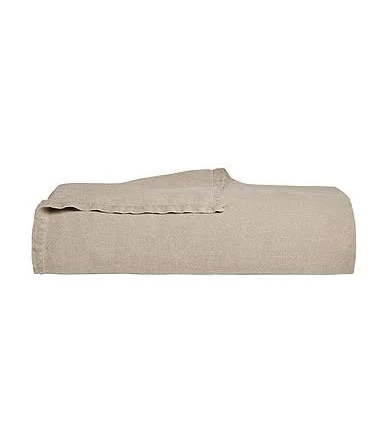
Parachute
Vintage Linen Bed Cover
- 100% linen, no reported coating
- We found no PFAS statement from the brand
- Heavy metals
3 hazards checked on this product. See all of them.
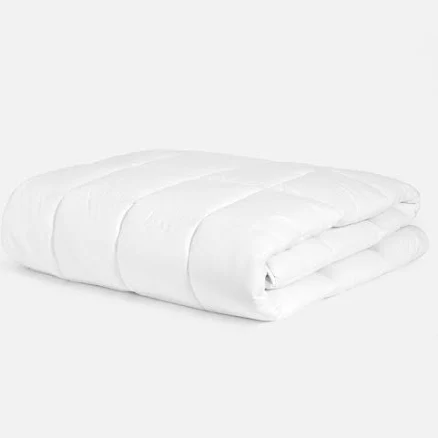
Brooklinen
Down Alternative Mattress Topper
- polyester down-alternative filling
- We found no PFAS statement from the brand
- Azo dyes and colorant migration
4 hazards checked on this product. See all of them.
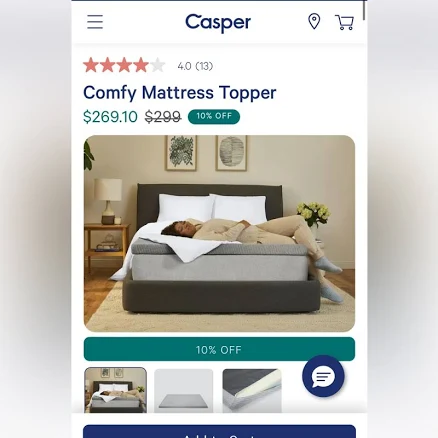
Casper
Sleep Comfy Mattress Topper
- Polyurethane foam, cotton/polyester blend cover
- We found no PFAS statement from the brand
- Volatile Organic Compound (VOC) off-gassing
3 hazards checked on this product. See all of them.
More mattress protectors grades
How we score, every product runs through the same public 0-100 rubric based on materials, coatings, brand disclosure, lab findings, and recalls. See the full methodology → Spotted a mistake? Report an error.