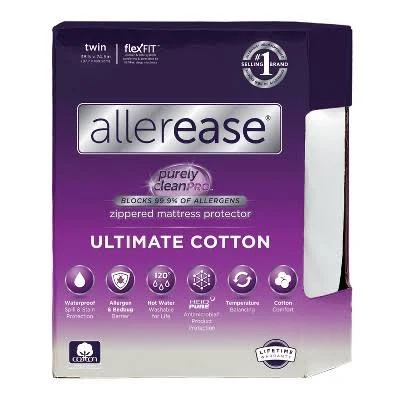
AllerEase · Mattress Protectors
Allerease Ultimate Cotton Mattress Protector
Cotton base with undisclosed waterproof treatment raises concern.
The cotton material itself poses lower concern, but the brand has no PFAS statement on record. The waterproof and stain-resistant treatment chemistry is not stated, and such treatments have historically used PFAS.
The better-graded swap
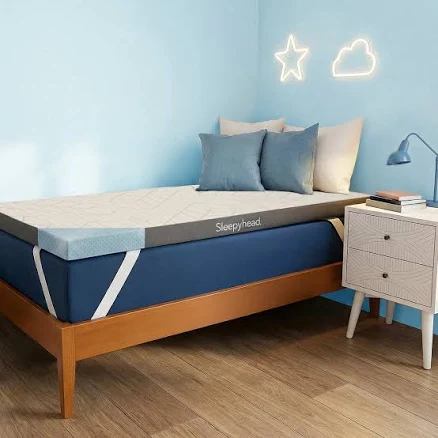
Sleepyhead
Sleepyhead 3 Copper-Infused Memory Foam Mattress Topper with Washable Cover
75/100 safety
Same rubric that flunked this product. The swap earned Excellent.
Still want this one anyway? Check the price on Amazon. We’d swap it.
Material
cotton with waterproof/stain-resistant treatment (unspecified)
Brand disclosure
Brand is silent on PFAS
Lab data
No public lab test
Is Allerease Ultimate Cotton Mattress non-toxic? What it is made of
This protector uses a cotton exterior paired with an unnamed waterproof/stain-resistant chemical treatment to create the moisture barrier. The cotton itself is a natural fiber with low toxicity risk, but the applied coating formula is the critical unknown, it may contain PFAS-based repellents (common in waterproof textiles) or alternative polymers. AllerEase does not publicly disclose the specific treatment chemistry, which makes independent hazard assessment incomplete. The waterproof layer's durability and whether it sheds particles over time during washing or use remains undocumented.
What’s concerning
Category baseline
The starting point for this type of product, before anything specific to this product is counted.
No PFAS disclosure
No public statement from the brand about PFAS in this product.
Waterproof / stain-resistant treatment
Water-repellent coating treatments have historically used PFAS.
Waterproof coating chemical identity
The treatment formula is proprietary and undisclosed; while cotton base itself is low-risk, the applied finish could contain synthetic polymers, fluorocarbons, or other repellents that may off-gas or migrate in small amounts, especially during initial use or washing.
Coating degradation and particle release
As the waterproof finish ages, peeling, flaking, or shedding of coating particles is possible with repeated washing or contact with body heat and friction. The risk depends on coating durability, which is not published by AllerEase.
Allergen cross-reactivity from finish
Because this product is marketed to allergy sufferers, any chemical finish residue could theoretically trigger sensitivity in susceptible individuals; AllerEase provides no hypoallergenic certification or finish-safety data to rule this out.
What’s reassuring
Formaldehyde / VOCs
Cotton textiles sometimes use formaldehyde-based durable-press or wrinkle-resistant resins; AllerEase does not advertise wrinkle-resistance, and no formal complaints or test results are on record, but the possibility is not ruled out without independent testing or material disclosure.
Source, ATSDR ↗The full breakdown
The brand's record and disclosure
AllerEase markets this product toward allergy sufferers but maintains silence on chemical formulation details and PFAS content, despite industry movement toward transparency. The brand has no widely documented third-party certifications (OEKO-TEX, GOTS, or GPTA standards) visible in public materials for this specific model. No major recalls are on record for this protector, but the lack of proactive disclosure on waterproof treatment ingredients is a red flag compared to competitors publishing such data.
How it compares in its category
Mattress protectors typically use Teflon-type coating (Teflon-based), polyurethane, or PFAS-coated fabrics for waterproofing; cotton-based options are marketed as a gentler alternative. However, without knowing AllerEase's specific treatment formula, it is unclear whether this avoids PFAS entirely or merely uses a different formulation. Brands like Avocado and Birch explicitly certify their protectors as PFAS-free and third-party tested; AllerEase does not meet that bar publicly.
If you buy it
Wash before first use to reduce any residual finish chemicals or sizing agents. Follow care instructions carefully, as hot water or high heat may degrade the waterproof coating prematurely and increase risk of fiber shedding or leaching. Replace the protector if the coating begins to crack, peel, or flake, as a compromised barrier loses its function and may release particles. Store in a cool, dry place; avoid prolonged contact with direct sunlight, which can break down synthetic coatings over 1-2 years.
What we don’t know
- Basis
- Model estimate, 45% confidence, not a lab result
- Lab test
- None on record for this exact product
- Brand statement
- AllerEase has made none
Formulations change between production runs, so check the current label. How we grade.
Better-graded alternatives in Mattress Protectors
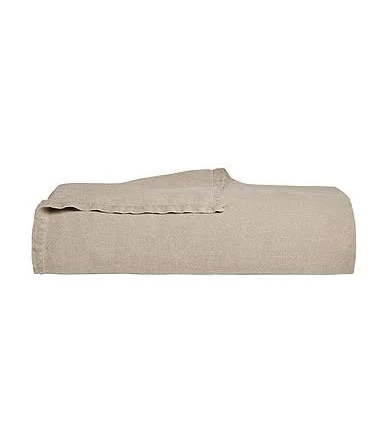
Parachute
Vintage Linen Bed Cover
- 100% linen, no reported coating
- We found no PFAS statement from the brand
- Heavy metals
3 hazards checked on this product. See all of them.
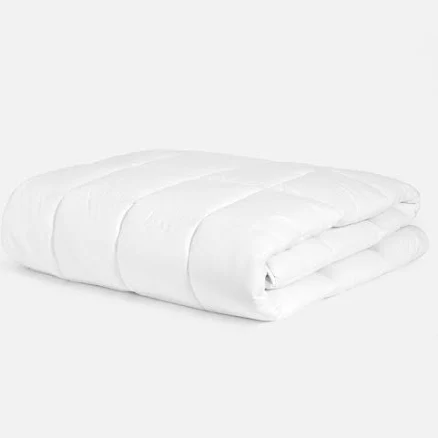
Brooklinen
Down Alternative Mattress Topper
- polyester down-alternative filling
- We found no PFAS statement from the brand
- Azo dyes and colorant migration
4 hazards checked on this product. See all of them.
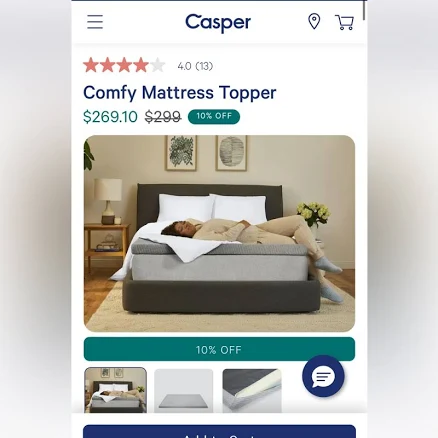
Casper
Sleep Comfy Mattress Topper
- Polyurethane foam, cotton/polyester blend cover
- We found no PFAS statement from the brand
- Volatile Organic Compound (VOC) off-gassing
3 hazards checked on this product. See all of them.
More mattress protectors grades
How we score, every product runs through the same public 0-100 rubric based on materials, coatings, brand disclosure, lab findings, and recalls. See the full methodology → Spotted a mistake? Report an error.