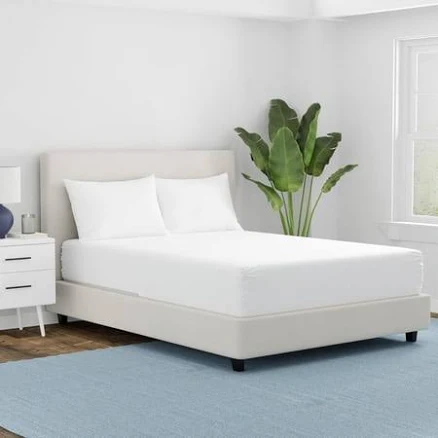
AllerEase · Mattress Protectors
Allerease Waterproof Mattress Protector Queen Size Allergen Barrier Zippered Knit Cover
Avoid unless the brand discloses waterproof treatment chemistry.
The brand does not disclose what polymer or coating makes this knit-cover protector waterproof. Waterproof textiles commonly rely on PFAS-based water repellents.
The better-graded swap
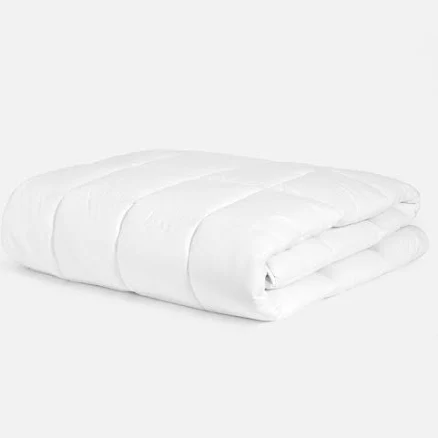
Brooklinen
Down Alternative Mattress Topper
75/100 safety
Same rubric that flunked this product. The swap earned Excellent.
Still want this one anyway? Check the price on Amazon. We’d swap it.
Material
Polyester knit cover with waterproof backing (unspecified polymer)
Brand disclosure
Brand is silent on PFAS
Lab data
No public lab test
Is Allerease Waterproof Mattress Protector non-toxic? What it is made of
The cover is polyester knit, a synthetic fiber that sheds microplastics when degraded or washed aggressively, though mattress protectors see minimal abrasion during normal use. The critical unknown is the waterproof backing polymer and its treatment chemicals. AllerEase does not publicly specify whether the backing uses polyurethane, PVC, or another polymer, nor does it disclose whether water-repellency is achieved via PFAS-based finishes (the industry standard). Without this transparency, assuming conventional waterproofing means likely PFAS exposure.
What’s concerning
Category baseline
The starting point for this type of product, before anything specific to this product is counted.
No PFAS disclosure
No public statement from the brand about PFAS in this product.
Waterproof / stain-resistant treatment
Water-repellent coating treatments have historically used PFAS.
PFAS
Waterproof backing almost certainly uses PFAS-based finishes (fluorocarbon chemistry) unless explicitly stated otherwise. AllerEase does not disclose. PFAS accumulates in blood and does not degrade.
Source, ATSDR ↗Microplastic shedding from polyester knit
Polyester knit can shed fibers when washed or degraded. Mattress protectors experience low mechanical stress in normal use, but aggressive washing or abrasion against bed frame edges may release fibers that can be inhaled.
Coating delamination and leachable backing polymers
Waterproof coatings can peel or crack with age or heat exposure, exposing underlying polymer (PVC, polyurethane, or other) to direct contact with skin or inhalation. Composition of backing is not disclosed.
Off-gassing of volatile organics from adhesives or coatings
New mattress protectors can emit odors (adhesives, polymers, finishes) for days to weeks. Ventilation during initial use reduces inhalation. No specific off-gassing data exists for this product.
What’s reassuring
Formaldehyde / VOCs
No recalls or test results on record for this product. Polyester textiles may contain trace formaldehyde releasers or azo dyes, but AllerEase does not report this and industry baseline for budget protectors does not typically involve high-risk dye chemistry.
Source, ATSDR ↗The full breakdown
The brand's record and disclosure
AllerEase is silent on waterproof treatment chemistry and PFAS use. The brand has no published certifications for chemical safety (e.g., OEKO-TEX, GOTS) or third-party testing against PFAS "forever chemicals". No major recalls for this product are on record for chemical leaching. However, absence of disclosure is itself a red flag in a category where waterproof layers are almost universally treated with persistent chemicals.
How it compares in its category
Most mass-market mattress protectors use the same opaque waterproofing approach as AllerEase. Premium alternatives (e.g.Avocado, some Naturepedic lines) explicitly avoid PFAS and use certified backings or mechanical weaves. Budget protectors rarely disclose; mid-tier protectors like this occupy the murky middle where safety depends entirely on unpublished supplier specs. Certification (OEKO-TEX Standard 100) would distinguish lower concern options but is absent here.
If you buy it
Avoid machine washing at high heat, which can degrade the waterproof coating and potentially release microplastics and treatment chemicals. Spot-clean stains and air-dry; many waterproof coatings delaminate in dryers. Inspect annually for peeling or cracking of the backing, and replace if visible damage occurs. If you have chemical sensitivities or are pregnant, request material safety data from the seller before purchase, and do not assume silence means safety.
What we don’t know
- Basis
- Model estimate, 35% confidence, not a lab result
- Lab test
- None on record for this exact product
- Brand statement
- AllerEase has made none
Formulations change between production runs, so check the current label. How we grade.
Better-graded alternatives in Mattress Protectors
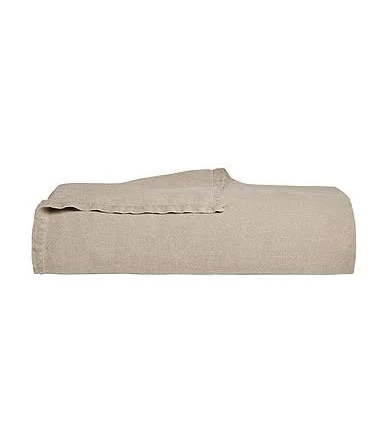
Parachute
Vintage Linen Bed Cover
- 100% linen, no reported coating
- We found no PFAS statement from the brand
- Heavy metals
3 hazards checked on this product. See all of them.
Brooklinen
Down Alternative Mattress Topper
- polyester down-alternative filling
- We found no PFAS statement from the brand
- Azo dyes and colorant migration
4 hazards checked on this product. See all of them.
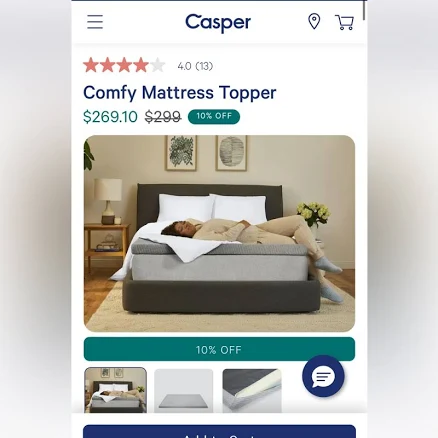
Casper
Sleep Comfy Mattress Topper
- Polyurethane foam, cotton/polyester blend cover
- We found no PFAS statement from the brand
- Volatile Organic Compound (VOC) off-gassing
3 hazards checked on this product. See all of them.
More mattress protectors grades
How we score, every product runs through the same public 0-100 rubric based on materials, coatings, brand disclosure, lab findings, and recalls. See the full methodology → Spotted a mistake? Report an error.