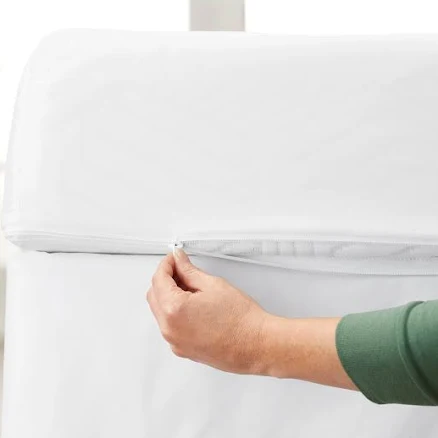
AllerEase · Mattress Protectors
Allerease Waterproof Protectors, White, Twin
Avoid or contact the brand, waterproof protectors often hide PFAS-based water-repellent coating.
This waterproof textile cover uses an undisclosed coating treatment. The brand offers no public information about whether fluorinated chemistry is involved.
The better-graded swap
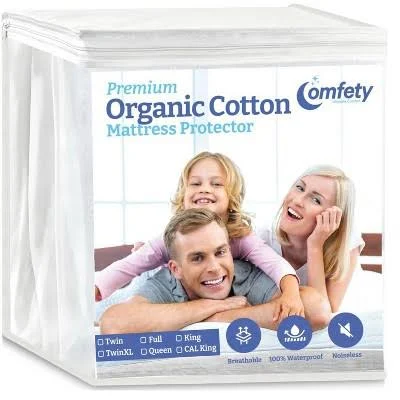
Organic Mattress Protector 2-Pack
75/100 safety
Same rubric that flunked this product. The swap earned Excellent.
Still want this one anyway? Check the price on Amazon. We’d swap it.
Material
polyester/cotton blend with waterproof coating (unspecified)
Brand disclosure
Brand is silent on PFAS
Lab data
No public lab test
Is Allerease Waterproof Protectors, White non-toxic? What it is made of
AllerEase Waterproof Protectors are a polyester-cotton blend with an unspecified waterproof coating. The coating is almost certainly a water-repellent coating (water-repellent coating) treatment, which in this product category historically relies on fluorinated chemistry (PFAS) or, less commonly, silicone-based alternatives. The polyester component itself carries low acute toxicity, but the waterproofing additive is the chemical wild card here. No third-party testing or material disclosure from AllerEase is on record for this specific SKU.
What’s concerning
Category baseline
The starting point for this type of product, before anything specific to this product is counted.
No PFAS disclosure
No public statement from the brand about PFAS in this product.
Waterproof / stain-resistant treatment
Water-repellent coating treatments have historically used PFAS.
PFAS
Unspecified waterproof coating on polyester-cotton blend mattress protectors in this price/market segment almost always contains legacy PFAS (PFOA, PFOS, or longer-chain alternatives). Brand has not disclosed or certified avoidance.
Source, ATSDR ↗Azo dyes in polyester
White color reduces but does not eliminate risk; polyester fabrics may be pre-dyed with azo compounds before coating. No certifications (OEKO-TEX, GOTS) are listed for this product, so restricted azo dyes are not ruled out.
Coating degradation and leaching over time
Unspecified water-repellent coating will degrade with washing and age. As the waterproof layer breaks down, any residual uncrosslinked monomers or additives may migrate into skin or perspiration contact. Typical lifespan is 5-7 years before significant loss of water repellency.
Formaldehyde / VOCs
Cotton-polyester blends often receive formaldehyde-based resin finishing for wrinkle resistance and shape retention. AllerEase does not advertise formaldehyde-free treatment, so this additive may be present at low levels.
Source, ATSDR ↗What’s reassuring
Antimony in polyester fiber
Antimony trioxide is a common polyester catalyst and residual levels in finished textiles are typically lower concern than in source materials. No recalls or reports specific to AllerEase products; not a major concern for this product category at current levels of disclosure.
The full breakdown
The brand's record and disclosure
AllerEase (owned by Allergan, now AbbVie) markets allergy-focused bedding but has maintained silence on PFAS use in waterproof products. The brand has not published a PFAS-free commitment or independently verified test reports for this mattress protector line. No major recalls or chemical contamination incidents are publicly documented for AllerEase mattress protectors, but the absence of disclosure about water-repellent coating chemistry is a significant transparency gap given industry-wide PFAS prevalence in this category.
How it compares in its category
Waterproof mattress protectors universally require a water-barrier coating; most major brands (including Brooklinen, Helix, even budget lines) have not publicly eliminated PFAS-based water-repellent coating. A small subset of premium or eco-certified alternatives explicitly claim PFAS-free or fluorine-free waterproofing. AllerEase's lack of marketing emphasis on chemistry puts it in the mainstream silent majority, making it higher risk than brands with transparent non-fluorinated claims but typical for the mass market.
If you buy it
Wash before first use to reduce any migration of coating additives, using warm (not hot) water; high heat can degrade polymer coatings and potentially increase leaching. Machine dry on low or air-dry to preserve waterproof integrity. Replace every 5-7 years or sooner if waterproofing fails (water begins to seep through). If you have concerns about PFAS exposure, contact AllerEase customer service directly and request documentation of the water-repellent coating treatment used; silence after inquiry is itself informative.
What we don’t know
- Basis
- Model estimate, 35% confidence, not a lab result
- Lab test
- None on record for this exact product
- Brand statement
- AllerEase has made none
Formulations change between production runs, so check the current label. How we grade.
Better-graded alternatives in Mattress Protectors
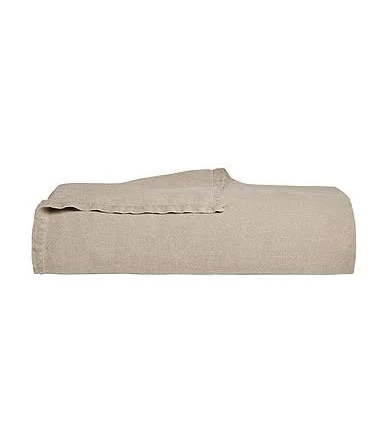
Parachute
Vintage Linen Bed Cover
- 100% linen, no reported coating
- We found no PFAS statement from the brand
- Heavy metals
3 hazards checked on this product. See all of them.
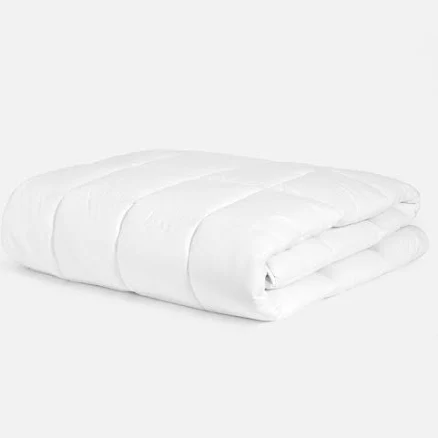
Brooklinen
Down Alternative Mattress Topper
- polyester down-alternative filling
- We found no PFAS statement from the brand
- Azo dyes and colorant migration
4 hazards checked on this product. See all of them.
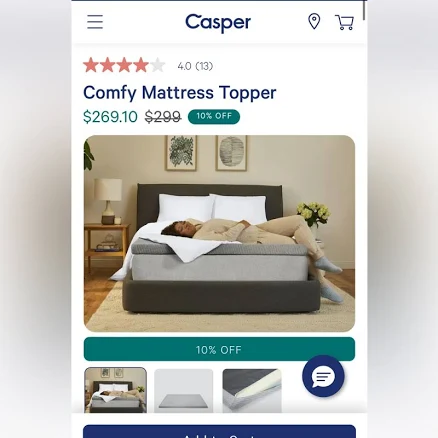
Casper
Sleep Comfy Mattress Topper
- Polyurethane foam, cotton/polyester blend cover
- We found no PFAS statement from the brand
- Volatile Organic Compound (VOC) off-gassing
3 hazards checked on this product. See all of them.
More mattress protectors grades
How we score, every product runs through the same public 0-100 rubric based on materials, coatings, brand disclosure, lab findings, and recalls. See the full methodology → Spotted a mistake? Report an error.