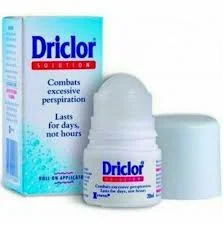
Antiperspirant Driclor · Deodorant
Driclor roll-on for excessive sweating 20ml
Lower concern, typical antiperspirant without known PFAS risks.
This standard aluminium chlorohydrate roll-on lacks public evidence of PFAS ingredients or water-repellent coating treatments. No PFAS disclosures found.
We flunk more products than we pass. This one earned its grade. How we grade
Material
Aluminium chlorohydrate active; roll-on container with standard plastic dispenser
Brand disclosure
Brand is silent on PFAS
Lab data
No public lab test
You may also be interested in
Top-graded picks in the categories readers replace first, every one scored on the same rubric.

- polypropylene filter housing, carbon/sediment cartridge
- We found no PFAS statement from the brand
- Bacterial growth in spent cartridges
3 hazards checked on this product, all on its full breakdown.

Aquasure
Premier Series 75 GPD Under Sink Reverse Osmosis Water Filtration System
- RO membrane, carbon filters, stainless steel housing
- We found no PFAS statement from the brand
- Bacterial and microbial growth in housing and filters
4 hazards checked on this product, all on its full breakdown.

Avocado
Vegan Mattress
- organic cotton, natural latex, coconut coir, recycled steel coils
- The brand calls it PFAS-free, which we have not verified
- Heavy metals
2 hazards checked on this product, all on its full breakdown.
What Driclor roll-on for excessive sweating is made of, ingredients and materials
Driclor's active ingredient is aluminum chlorohydrate, a salt compound that works by forming a plug in sweat ducts to reduce perspiration. This is the same active used in most clinical-strength antiperspirants globally and has decades of safety monitoring. The roll-on dispenser uses a standard plastic ball applicator and housing; the formulation itself contains no known problematic dyes, heavy metals, or volatile organic compounds at levels of concern for topical use.
What’s concerning
Category baseline
The starting point for this type of product, before anything specific to this product is counted.
No PFAS disclosure
No public statement from the brand about PFAS in this product.
Aluminum systemic absorption and accumulation
Topical aluminum chlorohydrate does not penetrate intact skin significantly, but repeated daily application over years raises theoretical questions about cumulative aluminum exposure. Long-term epidemiological data do not show a causal link between antiperspirant use and Alzheimer's or bone disease, but this remains a topic of ongoing research and cannot be ruled out with absolute certainty.
Skin irritation and contact dermatitis
Aluminum chlorohydrate at clinical strengths (20%) is known to cause erythema, itching, and burning in sensitive individuals, particularly if applied to freshly shaved or broken skin. Driclor labeling includes warnings for this; incidence is generally low but more common than in consumer-grade products due to higher salt concentration.
Microbial contamination of applicator
Roll-on applicators that contact skin directly can become reservoirs for bacteria if the product is not sealed properly or if the ball mechanism is damaged. This is a general hygiene concern for all roll-on deodorants and antiperspirants, not specific to Driclor, but users should inspect the applicator for visible debris or mold.
What’s reassuring
Base material not linked to PFAS
The main material recorded for this product is not one associated with PFAS.
Plastic leaching from roll-on dispenser
The plastic housing and ball applicator in Driclor roll-on containers are standard polypropylene or similar food-contact grade materials. No documented cases of BPA, phthalates, or other plasticizers leaching into the formulation have been reported for this product, and the aqueous/alcoholic base is not a strong solvent for polymer additives.
Fragrance allergens or irritants
Driclor is unscented or minimally fragranced compared to cosmetic deodorants, reducing the risk of fragrance-related contact sensitization or respiratory irritation. No fragrance allergens are listed as active ingredients in standard formulations.
How is this PFAS grade calculated?
The brand's record and disclosure
Driclor is owned by Stiefel Laboratories (acquired by GSK) and has been marketed for hyperhidrosis since the 1970s. The brand provides ingredient labeling but does not publish detailed safety reports or third-party certifications. No significant recalls or safety controversies have been documented in public health databases for this product. The manufacturer does not publicly address PFAS, which is typical for this category but reflects a general industry silence rather than a red flag.
How it compares in its category
Driclor is a higher-strength antiperspirant (typically 20% aluminum chlorohydrate) positioned against consumer-grade roll-ons and closer to prescription alternatives like Drysol. It avoids fragrance additives and artificial colorants, making it simpler in formulation than many cosmetic deodorants. Clinical-strength antiperspirants carry the same aluminum exposure profile; Driclor does not stand out as higher or lower risk in this respect.
If you buy it
Apply to clean, dry skin once daily in the evening and wash off in the morning to minimize skin irritation and allow skin recovery time. Do not use on broken or irritated skin, and perform a patch test on inner arm if you have sensitive skin. Replace the product if the roll-on ball becomes clogged or the plastic housing shows cracks; a compromised applicator can harbor bacteria. Store in a cool, dry place; heat does not degrade aluminum chlorohydrate, but extreme temperatures may affect the plastic dispenser seal.
What is not known about PFAS in this product?
- Basis
- Model estimate, 72% confidence, not a lab result
- Lab test
- None on record for this exact product
- Brand statement
- Antiperspirant Driclor has made none
Formulations change between production runs, so check the current label. How we grade.
What are the PFAS-free alternatives to Driclor roll-on for excessive sweating 20ml?
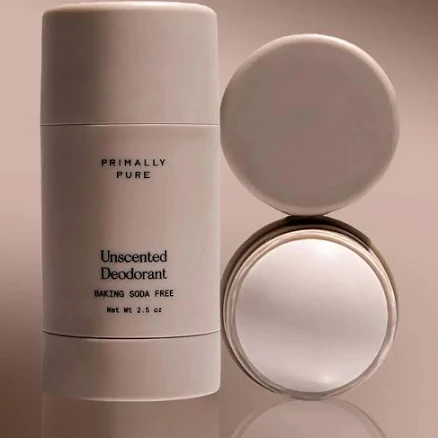
- mineral-based powder blend (arrowroot, magnesium hydroxide, mica)
- We found no PFAS statement from the brand
- Skin irritation from magnesium hydroxide alkalinity
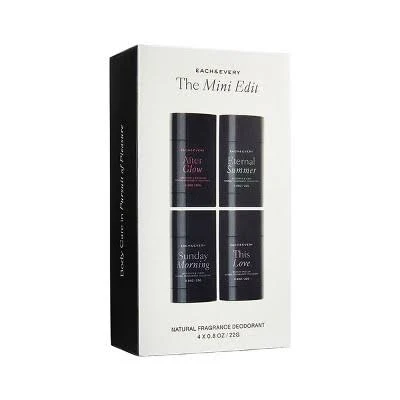
- cosmetic formulations, primary ingredients listed
- A third party reports verifying it as PFAS-free
- Fragrance allergens (natural essential oils)
2 hazards checked on this product, all on its full breakdown.
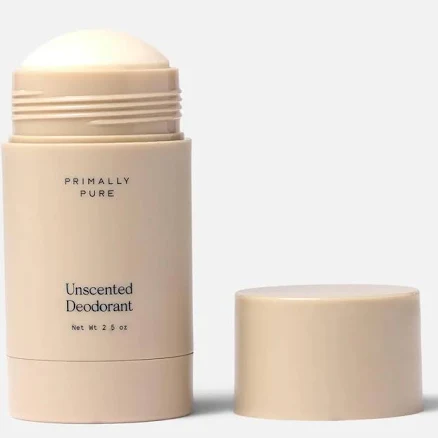
- natural mineral powders, plant-based actives, beeswax
- We found no PFAS statement from the brand
- Beeswax purity and contamination
2 hazards checked on this product, all on its full breakdown.
More deodorant grades
How we score, every product runs through the same public 0-100 rubric based on materials, coatings, brand disclosure, lab findings, and recalls. See the full methodology → Spotted a mistake? Report an error.