Uniform Advantage · Scrubs & Work Uniforms
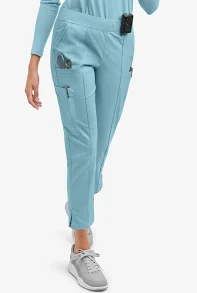
UA Women's Butter-Soft STRETCH 6-Pocket Scrub Pants
Scrub pants with no disclosed PFAS info; moderate risk unclear.
Standard polyester-blend scrub pants with no public PFAS disclosure or water-repellent coating treatment claims. No lab data available for this specific product; contact brand for coating details.
Still want this one anyway? Check the price on Amazon. We’d swap it.
Material
Polyester blend stretch fabric, unspecified finish
Brand disclosure
Brand is silent on PFAS
Lab data
No public lab test
You may also be interested in
Top-graded picks in the categories readers replace first, every one scored on the same rubric.

- polypropylene filter housing, carbon/sediment cartridge
- We found no PFAS statement from the brand
- Bacterial growth in spent cartridges
3 hazards checked on this product, all on its full breakdown.

Aquasure
Premier Series 75 GPD Under Sink Reverse Osmosis Water Filtration System
- RO membrane, carbon filters, stainless steel housing
- We found no PFAS statement from the brand
- Bacterial and microbial growth in housing and filters
4 hazards checked on this product, all on its full breakdown.

Avocado
Vegan Mattress
- organic cotton, natural latex, coconut coir, recycled steel coils
- The brand calls it PFAS-free, which we have not verified
- Heavy metals
2 hazards checked on this product, all on its full breakdown.
What UA Women's Butter-Soft STRETCH Scrub Pants is made of, ingredients and materials
These pants are polyester blend with unspecified stretch additives, likely elastane or spandex. Polyester garments are often finished with formaldehyde-based resins to improve wrinkle resistance and fabric stability, especially in medical scrubs designed for repeated washing. The stretch component adds chemical complexity but is not itself a primary hazard if properly cured during manufacturing. No fiber content breakdown or finish specification is disclosed by the brand.
What’s concerning
Category baseline
The starting point for this type of product, before anything specific to this product is counted.
No PFAS disclosure
No public statement from the brand about PFAS in this product.
Formaldehyde / VOCs
Polyester scrubs are often treated with formaldehyde-releasing resins to improve wrinkle resistance and durability. While most formaldehyde off-gases during manufacturing and early washing, residual levels in unwashed new garments can irritate sensitive skin or trigger respiratory sensitivity in individuals with chemical reactivity. No test data for this specific product is available.
Source, ATSDR ↗Azo dyes and colorant toxicity
Synthetic dyes used in polyester scrubs, especially darker colors, may include azo compounds that can break down under sweat, friction, or UV exposure. While EU regulations restrict certain azo dyes, US standards are less stringent. Uniform Advantage does not disclose dye chemistry or compliance certifications.
Elastane degradation and leaching
Stretch blends containing elastane can degrade with heat, chlorine, and repeated washing, potentially releasing oligomers or other breakdown products. Medical scrubs undergo frequent, aggressive laundering which accelerates this process. No information is available on the specific elastane formulation or stabilizers used in this product.
Microplastics
All polyester garments shed microfibers during washing. Scrubs, which undergo high-frequency laundering in clinical settings, may contribute to microplastic load in wastewater. This is not an acute wearer hazard but an environmental concern relevant to healthcare facility sustainability.
Source, EPA ↗What’s reassuring
Base material not linked to PFAS
The main material recorded for this product is not one associated with PFAS.
Antimony in polyester fibers
Antimony is a common catalyst in polyester production and can remain as residual trace in finished fibers. Skin contact with antimony-containing textiles is generally considered lower concern for intact skin, but no specific test data for Uniform Advantage scrubs confirms antimony levels.
How is this PFAS grade calculated?
The brand's record and disclosure
Uniform Advantage does not publish material safety data, chemical disclosures, or third-party certifications (OEKO-TEX, GOTS, etc.) for this product line. The brand has no known public controversy or safety recall related to scrub pants, but absence of disclosure is not assurance. No formal PFAS stance or commitment to restricted substances is evident from publicly available sources.
How it compares in its category
Medical scrub pants in this price tier typically carry similar undisclosed formaldehyde finish risk. Competitor brands (Dickies, Cherokee, Barco) also rarely disclose finish chemistry. Products with OEKO-TEX 100 certification (rare in scrubs) or organic cotton blends command higher prices and reduce but do not eliminate residual risk. This product sits at the median for transparency in the scrub category.
If you buy it
Wash new pants separately in warm water before wearing to reduce residual formaldehyde exposure. Avoid high heat dryers; air dry or low heat to prevent accelerated elastane degradation. Launder regularly in standard detergent; scrubs are designed for frequent washing and do not require special care. Replace after 50-75 washes or visible pilling/seam stress, whichever comes first. Do not use fabric softener, as it can trap residual chemicals.
What is not known about PFAS in this product?
- Basis
- Model estimate, 58% confidence, not a lab result
- Lab test
- None on record for this exact product
- Brand statement
- Uniform Advantage has made none
Formulations change between production runs, so check the current label. How we grade.
More scrubs & work uniforms grades
How we score, every product runs through the same public 0-100 rubric based on materials, coatings, brand disclosure, lab findings, and recalls. See the full methodology → Spotted a mistake? Report an error.