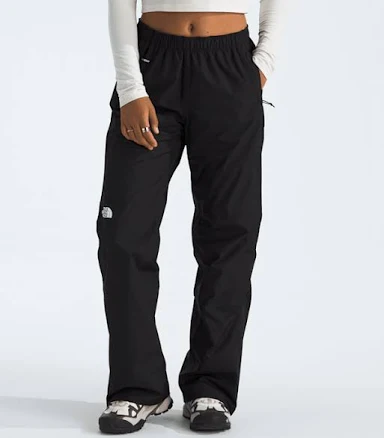
The North Face Women's Antora Rain Pants
No PFAS disclosure for water-repellent coating treatment applied to nylon outer.
These pants use nylon with a water-repellent coating finish. The North Face has no PFAS statement on record for this product. water-repellent coating treatments have historically used PFAS, though some brands now use PFAS-free alternatives.
Still want this one anyway? Check the price on Amazon. We’d swap it.
Material
Nylon outer with water-repellent coating (water-repellent coating) treatment
Lab data
No public lab test
You may also be interested in
Top-graded picks in the categories readers replace first, every one scored on the same rubric.

- polypropylene filter housing, carbon/sediment cartridge
- We found no PFAS statement from the brand
- Bacterial growth in spent cartridges
3 hazards checked on this product, all on its full breakdown.

Aquasure
Premier Series 75 GPD Under Sink Reverse Osmosis Water Filtration System
- RO membrane, carbon filters, stainless steel housing
- We found no PFAS statement from the brand
- Bacterial and microbial growth in housing and filters
4 hazards checked on this product, all on its full breakdown.

Avocado
Vegan Mattress
- organic cotton, natural latex, coconut coir, recycled steel coils
- The brand calls it PFAS-free, which we have not verified
- Heavy metals
2 hazards checked on this product, all on its full breakdown.
What The North Face Women's Antora Rain Pants is made of, ingredients and materials
The Antora uses nylon as the outer shell, a synthetic polymer chosen for lightweight strength and water resistance. The water-repellent coating (water-repellent coating) coating applied to nylon is the primary chemical concern; it creates a water-shedding surface but formulation details are proprietary. Nylon itself is stable and does not leach under normal wearing conditions, and there is no evidence of formaldehyde resins or azo dyes in standard North Face rain gear construction.
What’s concerning
Category baseline
The starting point for this type of product, before anything specific to this product is counted.
No PFAS disclosure
No public statement from the brand about PFAS in this product.
Waterproof / stain-resistant treatment
Water-repellent coating treatments have historically used PFAS.
PFAS
The specific water-repellent coating chemistry is proprietary and undisclosed. Modern alternatives to PFOA/PFOS exist, but The North Face has not stated which is used. The risk of skin or systemic exposure from wearing is low, but manufacturing/disposal pathways may involve PFAS contamination, this is graded under the PFAS assessment.
Source, ATSDR ↗Coating degradation or off-gassing during manufacturing/storage
Water-repellent coating coatings can emit volatile organic compounds (VOCs) during production and initial storage. Out-of-box odor may reflect residual solvents. This typically dissipates with air exposure within hours to days and poses negligible inhalation risk in normal outdoor wear.
What’s reassuring
Nylon polyester breakdown (microfiber shedding)
Nylon itself does not fragment or shed microplastics under normal wearing or washing. Only if the fabric is mechanically damaged (pills, abrasion, tears) can microscopic fibers enter water systems, but this is not a product-specific defect.
Formaldehyde / VOCs
No public record or recall indicates The North Face uses azo dyes or formaldehyde resins in the Antora's nylon construction. The dyes and finishes appear to meet standard apparel safety. If concerns exist, OEKO-TEX or Bluesign certification would be absent markers.
Source, ATSDR ↗Heavy metals
No reports of cadmium, lead, or antimony in Antora seams, zippers, or water-repellent coating. As a mainstream retail product sold in North America, it complies with Consumer Product Safety Commission limits. No specific testing has been made public.
Source, FDA ↗How is this PFAS grade calculated?
The brand's record and disclosure
The North Face has not publicly committed to avoiding PFAS in water-repellent coating chemistry or published detailed chemical ingredient lists for their water-repellent coating treatments. The brand does not market this product as PFAS-free or use third-party certifications like Bluesign or OEKO-TEX for chemical safety. This silence does not confirm PFAS presence, but reflects common industry opacity on water-repellent formulations. Direct contact with The North Face is the most reliable way to confirm water-repellent coating composition if PFAS avoidance is a priority.
How it compares in its category
Most mainstream rain pants (including competitors like Columbia, Arc'teryx, and Patagonia) use similar nylon-with-water-repellent coating construction and face identical PFAS transparency gaps unless explicitly labeled otherwise. Brands actively marketing PFAS-free alternatives (e.g., some Patagonia styles, Rab) are minority players and typically carry higher cost. The Antora represents standard-practice textile chemistry in performance outerwear; it is neither more nor less risky than comparable mass-market rain pants on the market.
If you buy it
Wash in cool water with mild detergent to extend water-repellent coating durability and avoid heat that might accelerate any coating degradation. Do not dry-clean, as solvents can strip or interact with water-repellent coating chemistry unpredictably. Reapply water-repellent coating treatments as needed (annually or when water no longer beads on the fabric) using commercial water-repellent coating sprays or wash-in products. Store in a cool, dry place away from direct sunlight to prevent textile degradation over time.
What is not known about PFAS in this product?
- Basis
- Model estimate, 45% confidence, not a lab result
- Lab test
- None on record for this exact product
- Brand statement
- The North Face has made a specific claim
Formulations change between production runs, so check the current label. How we grade.
What are the PFAS-free alternatives to The North Face Women's Antora Rain Pants?
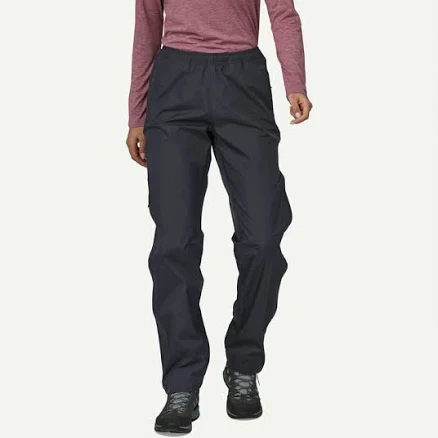
- Nylon with water-repellent coating water-repellent coating finish
- The brand calls it PFAS-free, which we have not verified
- water-repellent coating finish composition (unstated chemistry)
2 hazards checked on this product, all on its full breakdown.
Find an alternative on Amazon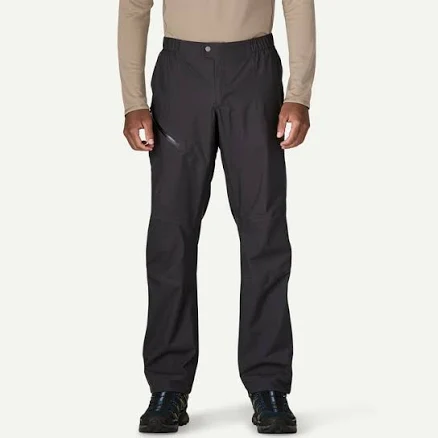
- Nylon with water-repellent coating (water-repellent coating) treatment
- The brand calls it PFAS-free, which we have not verified
- water-repellent coating chemistry (unknown composition)
2 hazards checked on this product, all on its full breakdown.
Find an alternative on Amazon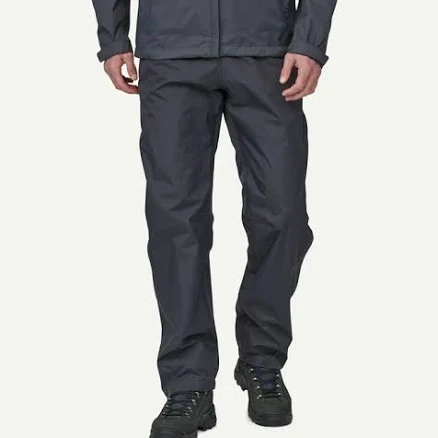
- Nylon with water-repellent coating (water-repellent coating) treatment
- The brand calls it PFAS-free, which we have not verified
- PFAS
3 hazards checked on this product, all on its full breakdown.
Find an alternative on AmazonMore rain pants grades
How we score, every product runs through the same public 0-100 rubric based on materials, coatings, brand disclosure, lab findings, and recalls. See the full methodology → Spotted a mistake? Report an error.