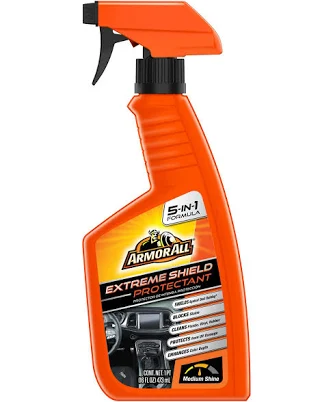
Armor All · Fabric Stain Guard Sprays
Armor All Extreme Shield Protectant Car Cleaning Spray
Skip; protective coatings often contain PFAS with no brand disclosure.
Armor All Extreme Shield uses proprietary coating chemistry with water and stain resistance typical of PFAS treatments. Brand offers no PFAS information or testing.
Still want this one anyway? Check the price on Amazon. We’d swap it.
Material
proprietary polymer spray coating/protectant
Brand disclosure
Brand is silent on PFAS
Lab data
No public lab test
You may also be interested in
Top-graded picks in the categories readers replace first, every one scored on the same rubric.

- polypropylene filter housing, carbon/sediment cartridge
- We found no PFAS statement from the brand
- Bacterial growth in spent cartridges
3 hazards checked on this product, all on its full breakdown.

Aquasure
Premier Series 75 GPD Under Sink Reverse Osmosis Water Filtration System
- RO membrane, carbon filters, stainless steel housing
- We found no PFAS statement from the brand
- Bacterial and microbial growth in housing and filters
4 hazards checked on this product, all on its full breakdown.

Avocado
Vegan Mattress
- organic cotton, natural latex, coconut coir, recycled steel coils
- The brand calls it PFAS-free, which we have not verified
- Heavy metals
2 hazards checked on this product, all on its full breakdown.
What Armor All Extreme Shield Cleaning Spray is made of, ingredients and materials
Armor All Extreme Shield is a spray-applied polymer coating designed to repel water and stains from automotive surfaces (dashboards, trim, tires). The proprietary formula almost certainly contains fluorinated compounds or silicone-based polymers; water-and-stain-repellent car protectants commonly rely on PFAS chemistry to achieve durability and liquid beading. Armor All has not published ingredient transparency or PFAS content for this product, making independent verification impossible.
What’s concerning
Category baseline
The starting point for this type of product, before anything specific to this product is counted.
Vague safety claims only
Uses vague language ("eco-friendly", "clean") without a specific PFAS statement.
Waterproof / stain-resistant treatment
Water-repellent coating treatments have historically used PFAS.
Volatile organic compounds (VOCs) and inhalation risk
Spray protectants typically contain solvents (often aliphatic hydrocarbons or siloxanes) to deliver the coating. Indoor or poorly ventilated application poses respiratory irritation risk. Armor All does not publish solvent composition or VOC limits.
Skin contact and residual film buildup
Overapplication or contact with wet coating may cause temporary skin irritation or slipperiness. No specific dermal toxicity is documented for this product, but silicone and polymer residues can accumulate on hands and gloves.
PFAS
If formulation contains PFAS, spray drift and surface runoff into soil and water systems pose long-term environmental persistence risk. No independent testing of this specific product has been published.
Source, ATSDR ↗What’s reassuring
Off-gassing from cured polymer film
Once cured, automotive protectant coatings are generally stable and not known to release significant volatile substances. Risk is confined to application phase and immediate cure window.
Microplastic or polymer particulate shedding
No evidence that cured spray coatings on cars shed microplastics into the environment at rates of concern. Degradation occurs over months to years and is not a primary hazard pathway for this application.
How is this PFAS grade calculated?
The brand's record and disclosure
Armor All (owned by Energizer) has faced minimal public pressure on PFAS disclosure compared to apparel or food-contact brands. The company does not publish PFAS-free certifications or third-party test reports for its automotive protectants. Industry-wide, automotive protectant makers rarely disclose fluorinated polymer use, treating formulations as trade secrets. No recalls or regulatory actions specific to this product have been recorded.
How it compares in its category
Most car protectant sprays (e.g., Meguiar's, Chemical Guys, Turtle Wax variants) share identical transparency gaps around PFAS. Silicone-based alternatives exist but do not repel water as effectively; fluorine-free options are rare and not mainstream. Armor All Extreme Shield is competitively positioned but offers no safety advantage over peers in avoiding PFAS risk.
If you buy it
Apply outdoors or in well-ventilated spaces only; inhalation of spray aerosol should be minimized. Do not apply to steering wheels, pedals, or any surface contacted by bare skin during driving. Allow full cure (typically 15-30 minutes) before touching treated surfaces. Avoid overapplication, which increases off-gassing and can create slippery residue. If PFAS accumulation in indoor air is a concern, choose silicone-based or uncoated alternatives.
What is not known about PFAS in this product?
- Basis
- Model estimate, 35% confidence, not a lab result
- Lab test
- None on record for this exact product
- Brand statement
- Armor All has made none
Formulations change between production runs, so check the current label. How we grade.
What are the PFAS-free alternatives to Armor All Extreme Shield Protectant Car Cleaning Spray?
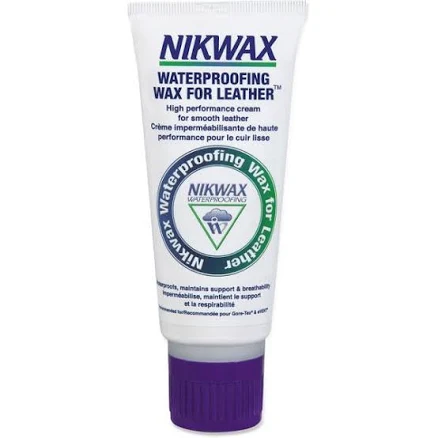
- wax-based waterproofing
- The brand calls it PFAS-free, which we have not verified
- Respiratory irritation or fume inhalation during application
2 hazards checked on this product, all on its full breakdown.
Find an alternative on Amazon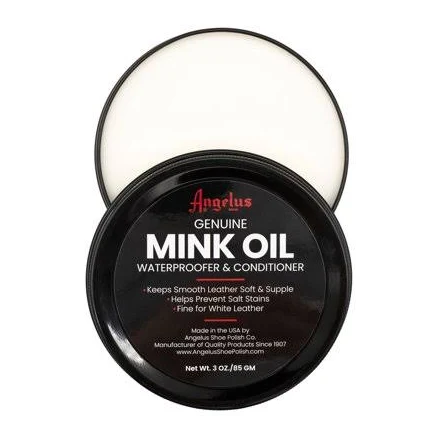
- mink oil paste, natural oil-based conditioner
- We found no PFAS statement from the brand
- Microbial growth (natural oil rancidity)
2 hazards checked on this product, all on its full breakdown.
Find an alternative on Amazon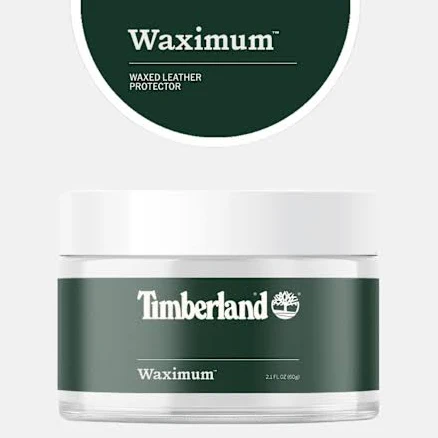
- Wax-based leather protector
- We found no PFAS statement from the brand
- Volatile organic compounds (VOCs) from solvents
3 hazards checked on this product, all on its full breakdown.
Find an alternative on AmazonMore fabric stain guard sprays grades
How we score, every product runs through the same public 0-100 rubric based on materials, coatings, brand disclosure, lab findings, and recalls. See the full methodology → Spotted a mistake? Report an error.