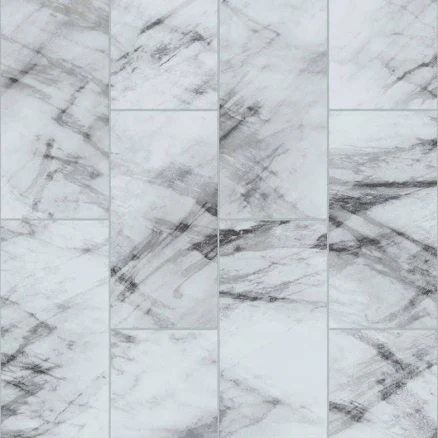
Armstrong Alterna 8" x 16" Luxury Vinyl Tile
Insufficient data; vinyl flooring PFAS risk unclear without disclosure.
Armstrong does not publicly disclose PFAS use in Alterna products. Vinyl flooring sometimes contains PFAS-based coatings or plasticizers; Armstrong provides no transparency on composition or testing.
The better-graded swap
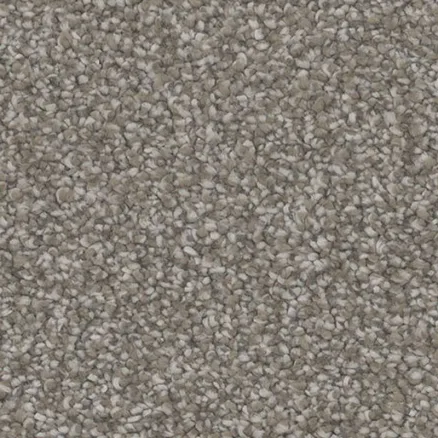
Tarkett
Tarkett Home Intrigue Tempt by Factory Direct Floor Store
75/100 safety
Same rubric that flunked this product. The swap earned Excellent.
Still want this one anyway? Check the price on Amazon. We’d swap it.
Material
Luxury vinyl tile (PVC-based)
Brand disclosure
Brand is silent on PFAS
Lab data
No public lab test
What Armstrong Alterna 8" x 16" Luxury Vinyl is made of, ingredients and materials
Armstrong Alterna is a rigid luxury vinyl tile (LVT) composed primarily of polyvinyl chloride (PVC) with plasticizers, stabilizers, and fillers to achieve durability and wood-grain aesthetics. The core material is PVC, which does not inherently off-gas formaldehyde, but the plasticizers (commonly phthalates or non-phthalate alternatives, depending on formulation) and adhesives used during installation are the primary chemical exposure vectors. Without Armstrong's full material disclosure, the specific plasticizer chemistry cannot be confirmed.
What’s concerning
Category baseline
The starting point for this type of product, before anything specific to this product is counted.
No PFAS disclosure
No public statement from the brand about PFAS in this product.
Phthalates
PVC flooring typically contains plasticizers to achieve flexibility and durability. Armstrong has not disclosed whether Alterna uses phthalates or non-phthalate alternatives; typical LVT formulations may include DEHP or DiNP. Migration risk is generally low in solid-state tile but increases with heat or degradation over time.
Source, ATSDR ↗Volatile organic compounds (VOCs) during and after installation
LVT products commonly release VOCs during and shortly after installation, including compounds from adhesives and the vinyl material itself. Armstrong Alterna products on some lines carry FloorScore certification, suggesting tested VOC limits, but certification scope varies by product. Ventilation during and after installation mitigates acute exposure.
Coating or surface degradation over time
PVC-based LVT tiles develop wear layers that can degrade under heavy foot traffic or abrasive cleaning. As the protective layer wears, underlying plasticizers and fillers may become more exposed to moisture and air, increasing potential for leaching into dust or direct contact. This is a long-term concern, not acute, but relevant for homes with high-traffic areas.
Installation adhesive hazards
The tile itself is a lower concern than the adhesive used during installation. Conventional vinyl flooring adhesives can emit formaldehyde, VOCs, and other irritants. Using certified low-VOC or water-based adhesives significantly reduces this risk and should be specified at purchase.
What’s reassuring
Flame retardants
No public record indicates Armstrong Alterna contains added flame retardant chemicals. LVT is inherently flame-retardant due to its PVC composition and does not typically require additional chemical treatments. This is a low-concern category for this product type.
Source, EPA ↗The full breakdown
The brand's record and disclosure
Armstrong has not publicly disclosed PFAS content or comprehensive plasticizer chemistry for Alterna LVT lines. The brand holds FloorScore and some GreenGuard certifications on selected products, but certification status varies by product line and region. No major recalls or established health controversies specific to this product line are on record. Armstrong's silence on PFAS and detailed chemical composition limits independent assessment of this particular tile.
How it compares in its category
Luxury vinyl tile is a mid-range choice between laminate (lower cost, more formaldehyde risk in cheap grades) and solid hardwood or stone (higher cost, minimal chemical concern). LVT generally has lower VOC emissions than older vinyl flooring and is more stable than laminate, but remains a PVC-based plastic product with inherent plasticizer and potential PFAS questions. Competitors like Mohawk SolidTech and some European brands (Tarkett) provide more transparent chemical disclosure.
If you buy it
Ensure professional installation with low-VOC adhesives and allow 48-72 hours of ventilation post-installation. LVT can off-gas volatile organics during and shortly after installation; open windows and avoid occupancy during this window. Do not use steam cleaners or expose to sustained temperatures above 85-90°F, as PVC plasticizers can migrate more readily under heat stress. Request material safety data sheets (MSDS) from the installer or retailer before purchase to confirm plasticizer type and any phthalate content.
What we don’t know
- Basis
- Model estimate, 35% confidence, not a lab result
- Lab test
- None on record for this exact product
- Brand statement
- Armstrong has made none
Formulations change between production runs, so check the current label. How we grade.
Better-graded alternatives in Carpets & Rugs
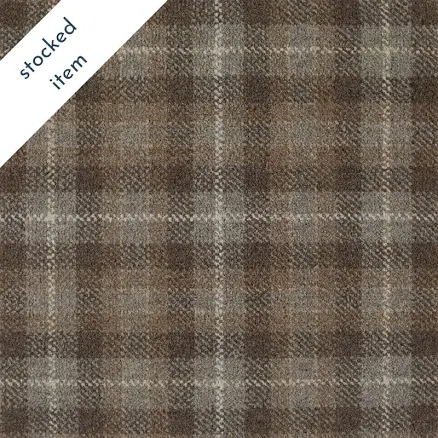
Axminster
Ben Vorlich Tartan Axminster Carpet | Wool Plaid
- wool plaid, Axminster weave
- We found no PFAS statement from the brand
- Formaldehyde / VOCs
4 hazards checked on this product. See all of them.
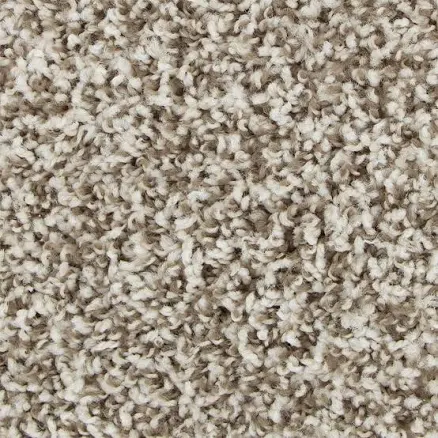
Style Selections
Timeless Brown Polyester Textured Indoor Carpet
- polyester fiber, untreated
- We found no PFAS statement from the brand
- Formaldehyde / VOCs
4 hazards checked on this product. See all of them.
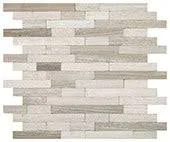
Daltile
Flooring
- Ceramic tile, porcelain, or stone composite
- We found no PFAS statement from the brand
- Volatile Organic Compounds (VOCs) from installation adhesives and grout
4 hazards checked on this product. See all of them.
More carpets & rugs grades
How we score, every product runs through the same public 0-100 rubric based on materials, coatings, brand disclosure, lab findings, and recalls. See the full methodology → Spotted a mistake? Report an error.