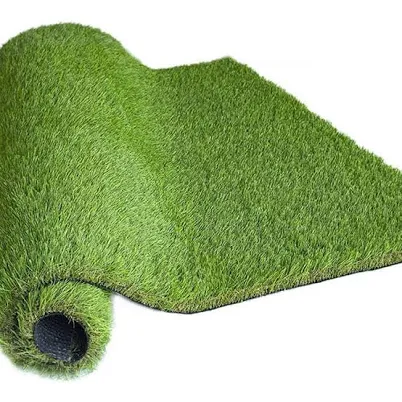
LITA ECO Ultra Thick Cut to Length
Wait for brand to disclose turf composition; synthetic turf historically may use PFAS.
LITA ECO Ultra Thick Cut to Length is a synthetic turf product with no PFAS claims from the brand. Synthetic turf backings and infills have historically contained PFAS in some formulations.
We flunk more products than we pass. This one earned its grade. How we grade
Material
Synthetic turf fibers (polyethylene/polypropylene backing)
Brand disclosure
Brand is silent on PFAS
Lab data
No public lab test
You may also be interested in
Top-graded picks in the categories readers replace first, every one scored on the same rubric.

- polypropylene filter housing, carbon/sediment cartridge
- We found no PFAS statement from the brand
- Bacterial growth in spent cartridges
3 hazards checked on this product, all on its full breakdown.

Aquasure
Premier Series 75 GPD Under Sink Reverse Osmosis Water Filtration System
- RO membrane, carbon filters, stainless steel housing
- We found no PFAS statement from the brand
- Bacterial and microbial growth in housing and filters
4 hazards checked on this product, all on its full breakdown.

Avocado
Vegan Mattress
- organic cotton, natural latex, coconut coir, recycled steel coils
- The brand calls it PFAS-free, which we have not verified
- Heavy metals
2 hazards checked on this product, all on its full breakdown.
What LITA ECO Ultra Thick Cut to Length is made of, ingredients and materials
LITA ECO Ultra Thick uses polyethylene (PE) or polypropylene (PP) fibers on a synthetic backing, typical of modern artificial turf. The backing layer is the primary concern, synthetic turf backings historically have used PFAS compounds in coatings or adhesives to improve water resistance and durability, though AstroTurf has not publicly disclosed whether this product contains PFAS. The thick construction suggests increased material volume, which could amplify leaching risks if hazardous compounds are present in backing or infill systems.
What’s concerning
Category baseline
The starting point for this type of product, before anything specific to this product is counted.
No PFAS disclosure
No public statement from the brand about PFAS in this product.
PFAS
Synthetic turf backings have historically contained PFAS to enhance water resistance; AstroTurf has provided no public disclosure of PFAS status for this product, leaving risk unquantified.
Source, ATSDR ↗Microplastic shedding from fibers
Polyethylene and polypropylene turf fibers degrade over time and under UV/mechanical wear, releasing microplastics into soil and waterways; no product-specific testing published for LITA ECO.
Leaching from backing polymers or adhesives
Synthetic backings and joining adhesives may leach unreacted monomers or plasticizers when wet or heated; risk depends on backing chemistry not disclosed here.
Infill contamination (if sand or crumb used)
If product installation uses recycled rubber crumb or untested sand, infill may contain heavy metals or PFAS independent of the turf itself; buyer responsibility to source verified infill.
What’s reassuring
Base material not linked to PFAS
The main material recorded for this product is not one associated with PFAS.
Antimony in polyester components
LITA ECO uses polyethylene/polypropylene fibers, not polyester, so antimony as a catalyst is unlikely; however, backing composition is undisclosed.
How is this PFAS grade calculated?
The brand's record and disclosure
AstroTurf has not published a public materials declaration, PFAS statement, or third-party certifications (such as GreenGuard or similar) for this product line, making it impossible to verify absence of PFAS or other regulated substances. The company's silence on turf composition is notable because major synthetic turf manufacturers have begun disclosing PFAS content due to regulatory and liability pressure in states like California and Colorado. Without documentation, the product cannot be evaluated as a lower-risk option relative to competitors who provide transparency.
How it compares in its category
Artificial turf products vary widely in backing chemistry and infill materials (sand, rubber crumb, or organics). Some competitors (e.g., certain FieldTurf products) have moved toward PFAS-free formulations and published composition summaries; others remain undisclosed. The 'Eco' branding on this LITA line suggests some environmental positioning, but without third-party verification or disclosure, it is unclear whether this reflects genuine material selection or marketing framing. Natural grass remains the lowest-chemical baseline if PFAS exposure is a primary concern.
If you buy it
Limit direct skin contact, especially for young children and pregnant individuals, until AstroTurf clarifies composition. Ensure proper drainage and avoid pooling water, which can concentrate leachables if present. Inspect backing and seams annually for degradation; replace if visible cracks or separations occur, as damaged backing increases leaching surface area. If infill (sand or crumb) is used, source it from suppliers with PFAS testing documentation and replace periodically per manufacturer guidance.
What is not known about PFAS in this product?
- Basis
- Model estimate, 45% confidence, not a lab result
- Lab test
- None on record for this exact product
- Brand statement
- LITA has made none
Formulations change between production runs, so check the current label. How we grade.
More artificial turf grades
How we score, every product runs through the same public 0-100 rubric based on materials, coatings, brand disclosure, lab findings, and recalls. See the full methodology → Spotted a mistake? Report an error.