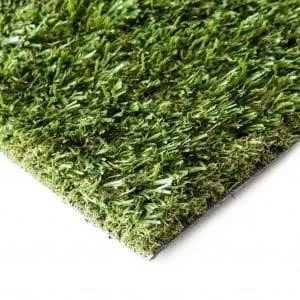
Artificial Landscaping Turf Artificial Turf, Synthetic Grass for Landscaping, Garden, Yards, Fields
No PFAS disclosure. Verify with seller; synthetic turf backing adhesives often contain PFAS.
The synthetic fiber base is likely polyethylene, but backing and adhesives remain undisclosed. Many synthetic turf products use PFAS-containing adhesives without brand statements.
We flunk more products than we pass. This one earned its grade. How we grade
Material
polyethylene or polypropylene synthetic fibers, backing adhesive unspecified
Brand disclosure
Brand is silent on PFAS
Lab data
No public lab test
You may also be interested in
Top-graded picks in the categories readers replace first, every one scored on the same rubric.

- polypropylene filter housing, carbon/sediment cartridge
- We found no PFAS statement from the brand
- Bacterial growth in spent cartridges
3 hazards checked on this product, all on its full breakdown.

Aquasure
Premier Series 75 GPD Under Sink Reverse Osmosis Water Filtration System
- RO membrane, carbon filters, stainless steel housing
- We found no PFAS statement from the brand
- Bacterial and microbial growth in housing and filters
4 hazards checked on this product, all on its full breakdown.

Avocado
Vegan Mattress
- organic cotton, natural latex, coconut coir, recycled steel coils
- The brand calls it PFAS-free, which we have not verified
- Heavy metals
2 hazards checked on this product, all on its full breakdown.
What Artificial Landscaping Turf Yards, Fields is made of, ingredients and materials
Artificial turf uses polyethylene or polypropylene synthetic fibers that do not off-gas formaldehyde or volatile organics at ambient temperatures. The critical unknown is the backing adhesive system, most synthetic turf products use urethane or latex binders that may contain PFAS compounds (PFAS "forever chemicals") to improve water resistance and durability. Fiber itself is chemically stable; backing adhesive composition is the primary safety variable this manufacturer has not disclosed.
What’s concerning
Category baseline
The starting point for this type of product, before anything specific to this product is counted.
No PFAS disclosure
No public statement from the brand about PFAS in this product.
PFAS
Synthetic turf backing adhesives commonly use PFAS to resist water and UV; The brand provides no disclosure. Estimated risk is high given industry standard practice and silence on composition. Graded separately per instructions.
Source, ATSDR ↗Flame retardants
Some synthetic turf products incorporate brominated or phosphorus flame retardants in the pile or backing layer. No evidence on record for specifically, but category prevalence is documented. Confirm absence or type with manufacturer.
Source, EPA ↗Microplastic shedding during use and weathering
Synthetic turf fibers shed microplastics into soil and water, especially under foot traffic or UV degradation. Studies document persistence in soil; environmental impact is established. Not a direct health hazard in a residential yard but accumulates in waterways and food chains if not managed.
Adhesive off-gassing or leaching during installation and weathering
Urethane and latex binders used in turf backing can emit volatile organic compounds or leach components during curing (first weeks) and over years of weathering. The brand provides no VOC or leachate data. Risk is mitigated by outdoor ventilation but unknown without adhesive disclosure.
What’s reassuring
Base material not linked to PFAS
The main material recorded for this product is not one associated with PFAS.
Heavy metals
Polyethylene and polypropylene fibers can be colored with organometallic or inorganic pigments. No recalls or reports of lead, cadmium, or chromium in synthetic turf colorants; risk is low if pigments meet toy safety or food-contact standards, which lawn fibers do not require. Not a primary concern for this product class.
Source, FDA ↗How is this PFAS grade calculated?
The brand's record and disclosure
The brand does not publish material safety data sheets, PFAS declarations, or third-party certifications (GreenGuard, ISO 16122) for this product line based on publicly available information. The brand maintains a general stance of silence on chemical composition and environmental stewardship claims. No recalls or safety controversies are documented for this specific SKU, but lack of transparency is a limiting factor for informed assessment.
How it compares in its category
Synthetic turf sits in a middle-risk band compared to alternatives. Natural grass carries no chemical hazard. Premium synthetic turf brands (Fieldturf, PermaLawn) often disclose backing adhesives and pursue PFAS-free formulations or third-party testing. Budget retailers rarely disclose; The brand's silence is typical but not exceptional for this price tier. Infill materials (crumb rubber, sand, cork) are separate concerns not addressed here.
If you buy it
Ensure proper drainage and avoid collecting pooled water, which may enhance leachate contact with soil. Do not burn or incinerate offcuts; dispose as commercial waste. Inspect seams and backing annually for adhesive degradation, especially in high-UV or high-moisture climates. Request backing adhesive specification and PFAS status from the seller in writing before purchase; silence is a red flag for undisclosed PFAS.
What is not known about PFAS in this product?
- Basis
- Model estimate, 45% confidence, not a lab result
- Lab test
- None on record for this exact product
- Brand statement
- has made none
Formulations change between production runs, so check the current label. How we grade.
More artificial turf grades
How we score, every product runs through the same public 0-100 rubric based on materials, coatings, brand disclosure, lab findings, and recalls. See the full methodology → Spotted a mistake? Report an error.