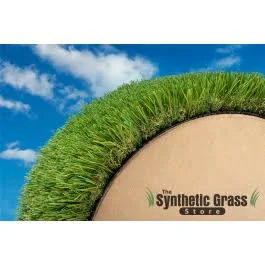
Green Valley Pro 105
Wait until composition and backing are fully disclosed.
Artificial grass backing is typically polyurethane or polypropylene, often treated for UV and water resistance with unknown coatings. No public PFAS claims or testing exist.
We flunk more products than we pass. This one earned its grade. How we grade
Material
Polyethylene (PE) synthetic fibers, backing unknown
Brand disclosure
Brand is silent on PFAS
Lab data
No public lab test
You may also be interested in
Top-graded picks in the categories readers replace first, every one scored on the same rubric.

- polypropylene filter housing, carbon/sediment cartridge
- We found no PFAS statement from the brand
- Bacterial growth in spent cartridges
3 hazards checked on this product, all on its full breakdown.

Aquasure
Premier Series 75 GPD Under Sink Reverse Osmosis Water Filtration System
- RO membrane, carbon filters, stainless steel housing
- We found no PFAS statement from the brand
- Bacterial and microbial growth in housing and filters
4 hazards checked on this product, all on its full breakdown.

Avocado
Vegan Mattress
- organic cotton, natural latex, coconut coir, recycled steel coils
- The brand calls it PFAS-free, which we have not verified
- Heavy metals
2 hazards checked on this product, all on its full breakdown.
What Green Valley Pro 105 is made of, ingredients and materials
Green Valley Pro 105 uses polyethylene (PE) fibers, a thermoplastic polymer that is chemically stable at room temperature and does not readily leach additives under normal residential conditions. PE synthetic turf typically includes colorants, UV stabilizers (often hindered amine light stabilizers, or HALS), and processing aids blended into the fiber matrix. The critical unknown is the backing material, which may be polyurethane, polypropylene, or a latex-based adhesive system; backing composition directly determines leaching risk and durability. Without disclosed backing chemistry or additive lists, full hazard assessment is incomplete.
What’s concerning
Category baseline
The starting point for this type of product, before anything specific to this product is counted.
No PFAS disclosure
No public statement from the brand about PFAS in this product.
Backing material leachables (unknown composition)
Backing adhesives (polyurethane or latex) can off-gas volatile organic compounds (VOCs) and leach uncrosslinked polymers or solvents, especially if exposed to moisture or heat; product data sheet does not disclose backing type or adhesive chemistry.
Heavy metals
Synthetic turf fibers are dyed or pigmented; if cadmium, lead, or antimony-based colorants are used (not explicitly ruled out by brand), heavy metal dust or leaching into soil/water is possible. No limit testing or third-party assay data published for Green Valley Pro 105.
Source, FDA ↗VOC off-gassing from UV stabilizers and processing aids
PE fiber systems commonly incorporate HALS, processing aids, and slip agents that can volatilize under solar heating (140-160°F surface temps); no product-specific VOC emissions testing or off-gassing duration data disclosed.
Microfiber shedding and soil contamination
Synthetic turf fibers inevitably shed fine PE particles under foot traffic and weathering, particularly at seams and backing attachment points. These microfibers accumulate in soil and can leach residual additives; no shed-rate specification or shedding mitigation measures detailed by the brand.
Mold and bacterial growth in backing / drainage failure
If backing material is not adequately perforated or if adhesive layers trap moisture, fungal or bacterial colonies can develop, especially in humid or wet climates. No drainage specifications, permeability ratings, or maintenance protocols provided by the manufacturer.
What’s reassuring
Base material not linked to PFAS
The main material recorded for this product is not one associated with PFAS.
How is this PFAS grade calculated?
The brand's record and disclosure
The brand maintains silence on PFAS content, backing material composition, and third-party certifications (no visible SafeChoice, GreenGuard, or ISO 14001 credentials on record). The brand does not publicly disclose additive lists, UV stabilizer types, or heavy metal limits in colorants. No major recalls or safety controversies are documented for this specific product line in public databases. Lack of proactive transparency on synthetic turf safety is increasingly unusual as market leaders adopt disclosure standards.
How it compares in its category
Synthetic turf hazards cluster around backing durability, infill material (if specified), and heat-off-gassing in direct sunlight rather than the PE fiber itself. Green Valley Pro 105 provides no data on backing longevity, tear strength, or permeability, making durability claims unverifiable. Leading competitors in the synthetic turf category (e.g., FieldTurf, Artificial Grass UK, Act Global) increasingly publish backing warranties, additive transparency, and third-party environmental certifications; Green Valley's silence places it below market-leading disclosure standards. Price positioning suggests a value-tier product, which often correlates with less rigorous QA on backing adhesives and colorant heavy metal content.
If you buy it
Ensure the product ships with a detailed backing material specification sheet and colorant safety data; if unavailable, request it before purchase or select a competitor with published specs. Avoid installation in high-traffic areas with children or pets until backing durability is confirmed (check for delamination or odor after 6-12 months of sun exposure). Do not allow prolonged direct skin contact in extreme heat (above 85°F ambient); PE can reach 140-160°F in full sun, potentially increasing additive migration rates. Inspect seams and backing annually for moisture intrusion, mold growth, or adhesive breakdown, especially in humid climates; replace if backing separates or discolors.
What is not known about PFAS in this product?
- Basis
- Model estimate, 45% confidence, not a lab result
- Lab test
- None on record for this exact product
- Brand statement
- has made none
Formulations change between production runs, so check the current label. How we grade.
More artificial turf grades
How we score, every product runs through the same public 0-100 rubric based on materials, coatings, brand disclosure, lab findings, and recalls. See the full methodology → Spotted a mistake? Report an error.