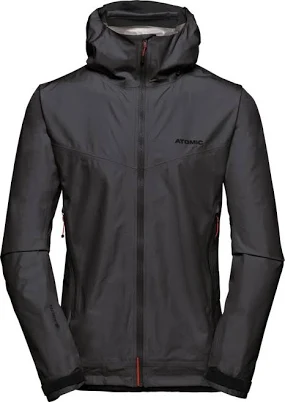
Atomic · Ski & Snowboard Jackets
Atomic Men's Backland Gore-tex Paclite Jacket
Gore-Tex Paclite historically uses PFOA/PFAS; skip until verified PFAS-free.
Gore-Tex Paclite is a waterproof laminate widely used in outdoor apparel. Gore-Tex historically used PFAS for water-repellent coating, though transitioning away from PFOA. Atomic provides no disclosure.
Still want this one anyway? Check the price on Amazon. We’d swap it.
Material
Gore-Tex Paclite (ePTFE membrane with PU backing)
Brand disclosure
Brand is silent on PFAS
Lab data
No public lab test
What Atomic Men's Backland Gore-tex Paclite is made of, ingredients and materials
This jacket uses Gore-Tex Paclite, a laminated fabric consisting of expanded polytetrafluoroethylene (ePTFE) membrane bonded to a polyurethane (PU) backing layer. The ePTFE membrane provides waterproofing and breathability, while the PU backing adds durability. Historically, Gore-Tex Paclite production involved PFOA and other long-chain PFAS chemicals in the manufacturing process, and while Gore-Tex has phased some older formulations, Paclite specifically has not been publicly verified as PFAS-free. The textile itself does not off-gas formaldehyde resins under normal use, but the fluorochemical legacy of the membrane is the primary concern.
What’s concerning
Category baseline
The starting point for this type of product, before anything specific to this product is counted.
No PFAS disclosure
No public statement from the brand about PFAS in this product.
Waterproof / stain-resistant treatment
Water-repellent coating treatments have historically used PFAS.
PU backing degradation and leachates
Polyurethane backing layers can hydrolyze and degrade over time, especially with heat and humidity, potentially releasing oligomers and residual isocyanates. Exposure risk is primarily to the wearer's skin on the interior surface; washing and storage practices significantly affect degradation rate.
Microplastic shedding from membrane
EPTFE membranes can shed fine Teflon-type coating particles during wear and especially during washing. While Teflon-type coating itself has low toxicity, the volume of microplastics released from this jacket over its lifetime is not well quantified in public literature.
What’s reassuring
Formaldehyde / VOCs
No public records of formaldehyde-resin finishes in Gore-Tex Paclite membranes themselves, though any additional coatings or dyes applied to the outer shell fabric could contain trace formaldehyde. Atomic does not disclose finish chemistry.
Source, ATSDR ↗Azo dyes in the shell fabric
The outer nylon or polyester shell fabric may contain azo dyes, which can release carcinogenic amines under certain conditions. Gore-Tex does not publicly confirm dye chemistry or compliance with azo-dye restrictions (e.g., OEKO-TEX Standard 100) for all product lines.
Flame retardants
No evidence that Atomic adds halogenated or phosphorus-based flame retardants to this ski jacket model. Most ski apparel does not use deliberate flame-retardant finishes, though regulatory language varies by region.
Source, EPA ↗The full breakdown
The brand's record and disclosure
Atomic, owned by Amer Sports, has not published a specific public commitment to eliminating PFAS from Gore-Tex or other performance fabrics in its ski apparel line. The brand does not disclose which PFAS-free alternatives (such as Gore-Tex Infinium or non-fluorinated waterproof membranes) are used in specific products. Gore-Tex as a supplier has made statements about reducing PFAS but has not eliminated it entirely from all product lines, and Atomic has not independently verified or communicated the PFAS status of this Paclite jacket to consumers. This silence on a known hazard is a red flag for transparency-conscious buyers.
How it compares in its category
Most major ski jacket brands (Patagonia, Arc'teryx, some North Face lines) have publicly committed to PFAS-free membranes or are actively transitioning away from fluorochemicals. Atomic's continued use of Gore-Tex Paclite without clear communication about PFAS content places it behind the category standard for disclosure. Alternatives like Gore-Tex Infinium, eVent, or polyester-based membranes are increasingly available in comparable performance jackets at similar price points. Buyers prioritizing lower PFAS exposure will find more transparent options elsewhere.
If you buy it
Store in a cool, dry place away from direct heat sources and UV light, as PU backings can degrade and become tacky over time (especially in warm closets). Wash only when visibly soiled, using mild detergent and cool water; avoid hot water and dryers, which accelerate PU breakdown. Do not dry-clean, as solvents can compromise both the ePTFE seal and PU layer. Inspect the seams and any areas where the backing is peeling every 1-2 seasons; if delamination occurs, the waterproofing will fail rapidly and the jacket should be retired.
What we don’t know
- Basis
- Model estimate, 42% confidence, not a lab result
- Lab test
- None on record for this exact product
- Brand statement
- Atomic has made none
Formulations change between production runs, so check the current label. How we grade.
Better-graded alternatives in Ski & Snowboard Jackets
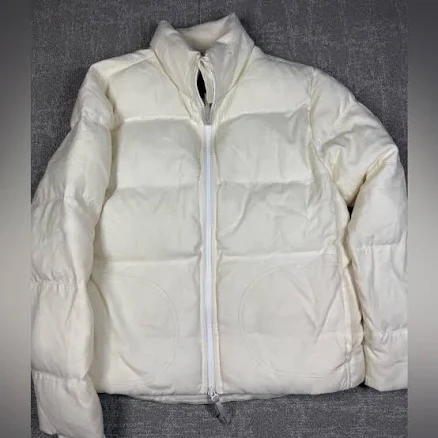
Allbirds
Jackets & Coats Allbirds Full Zip Wool Blend Puffer Jacket Women Size Small
- Wool blend with synthetic fill (likely polyester)
- We found no PFAS statement from the brand
- water-repellent coating (water-repellent coating) coating composition
3 hazards checked on this product. See all of them.
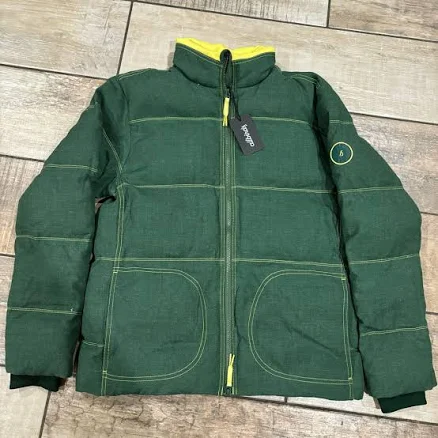
Allbirds
Jackets & Coats Allbirds Men's Trino Puffer Jacket Full Zip Wool Blend Forest Green Coat Size Sm
- wool blend (natural fiber dominant)
- We found no PFAS statement from the brand
- water-repellent coating (water-repellent coating) treatment - undisclosed chemistry
2 hazards checked on this product. See all of them.
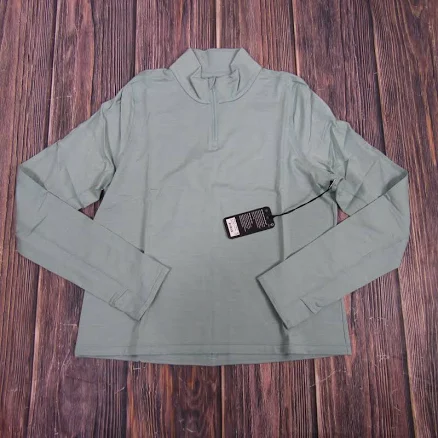
Allbirds
NWT Womens Medium Green Natural Run Mid Layer 1/4 Zip Jacket
- Merino wool blend (natural fiber)
- We found no PFAS statement from the brand
- Azo dyes and synthetic dye residue
3 hazards checked on this product. See all of them.
More ski & snowboard jackets grades
How we score, every product runs through the same public 0-100 rubric based on materials, coatings, brand disclosure, lab findings, and recalls. See the full methodology → Spotted a mistake? Report an error.