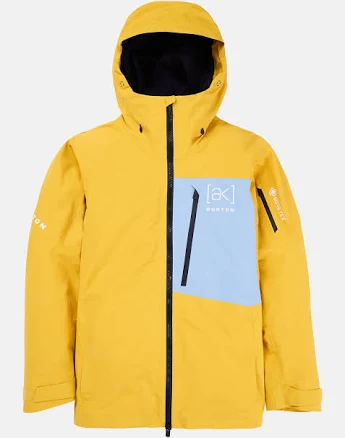
Burton · Ski & Snowboard Jackets
Burton Men's Cyclic GORE-TEX 2L Jacket
Proceed with caution or GORE-TEX contains PFAS or Burton discloses nothing about alternatives.
GORE-TEX membranes are recognized as Teflon-family coating-based water-blocking materials historically reliant on PFAS chemistry. Burton hasn't disclosed whether this jacket uses legacy Teflon-type coating or newer low-PFAS variants.
Still want this one anyway? Check the price on Amazon. We’d swap it.
Material
GORE-TEX 2L membrane (Teflon-family coating-based waterproof/breathable layer)
Brand disclosure
Brand is silent on PFAS
Lab data
No public lab test
What Burton Men's Cyclic GORE-TEX 2L Jacket is made of, ingredients and materials
The Burton Cyclic uses GORE-TEX 2L, a thin Teflon-family coating-based waterproof breathable membrane bonded to outer and inner fabric layers. GORE-TEX works by trapping water molecules while allowing water vapor through, which requires fluorochemical surfactants (PFAS) in manufacture and potentially in the finished fabric. The 2L designation means the membrane is laminated to the outer shell only, with a separate inner lining, making it lighter and more packable than 3L jackets but with slightly less durability on the membrane itself.
What’s concerning
Category baseline
The starting point for this type of product, before anything specific to this product is counted.
No PFAS disclosure
No public statement from the brand about PFAS in this product.
Waterproof / stain-resistant treatment
Water-repellent coating treatments have historically used PFAS.
PFAS
GORE-TEX inherently contains or was manufactured with PFAS; trace residuals may remain in the finished jacket. Not quantified by Burton or the supplier.
Source, ATSDR ↗Thermal degradation of membrane
Prolonged exposure to heat above 80 degrees Celsius (e.g., near radiators, in hot cars) can degrade the Teflon-family coating and potentially release volatile degradation products. Normal wear and laundering with warm water present lower concern.
Microplastic shedding from synthetic fabrics
Polyester outer shells and fleece liners can shed microfibers during washing. Washing the jacket infrequently and air drying (rather than machine wash and dry) minimizes shedding.
What’s reassuring
Formaldehyde / VOCs
No formaldehyde-releasing treatments are documented in Burton's GORE-TEX jackets, but some water-repellent coating (water-repellent coating) coatings can contain formaldehyde donors. Burton does not disclose the specific water-repellent coating finish used on the Cyclic.
Source, ATSDR ↗Dye migration or azo dye use in outer shell
Burton does not publicly report azo dye use or testing for prohibited azo compounds. The outer shell color is typically achieved through standard textile dyes, which are not known to pose hazard in this product under normal wear.
The full breakdown
The brand's record and disclosure
Burton has not made public commitments to PFAS phase-out or disclosed PFAS content in their GORE-TEX products. The company does not market PFAS-free alternatives for hardshell jackets. Burton holds ISO 14001 environmental certification but this does not mandate PFAS disclosure. No major product recalls or chemical hazard controversies are documented for this specific model.
How it compares in its category
Most major ski jacket brands (The North Face, Arc'teryx, Patagonia, Salomon) use GORE-TEX for premium models, so the Cyclic is typical in this respect. Some brands now offer PFAS-free alternatives (Patagonia H2No, Helly Hansen HH water-repellent coating treatments), though GORE-TEX remains the performance standard. Burton's Cyclic is competitively positioned but does not differentiate on chemical transparency.
If you buy it
Wash infrequently with plain water or mild detergent designed for technical fabrics; do not machine wash or dry clean, as solvents and heat can degrade the membrane and may mobilize residual PFAS. Air dry completely before storage. The 2L membrane is durable but thinner than 3L; inspect seams and surface annually for peeling or delamination, which signals end of jacket life. Store in a cool, dry place away from direct heat.
What we don’t know
- Basis
- Model estimate, 65% confidence, not a lab result
- Lab test
- None on record for this exact product
- Brand statement
- Burton has made none
Formulations change between production runs, so check the current label. How we grade.
Better-graded alternatives in Ski & Snowboard Jackets
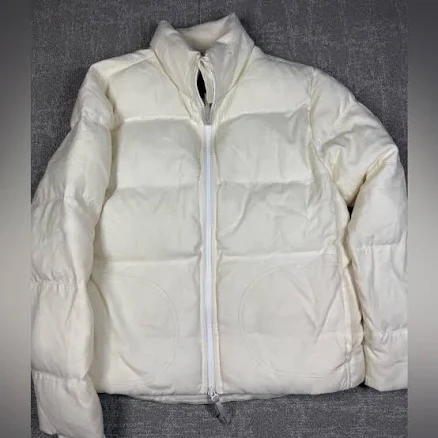
Allbirds
Jackets & Coats Allbirds Full Zip Wool Blend Puffer Jacket Women Size Small
- Wool blend with synthetic fill (likely polyester)
- We found no PFAS statement from the brand
- water-repellent coating (water-repellent coating) coating composition
3 hazards checked on this product. See all of them.
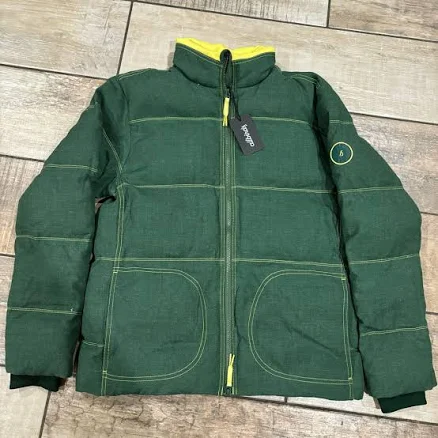
Allbirds
Jackets & Coats Allbirds Men's Trino Puffer Jacket Full Zip Wool Blend Forest Green Coat Size Sm
- wool blend (natural fiber dominant)
- We found no PFAS statement from the brand
- water-repellent coating (water-repellent coating) treatment - undisclosed chemistry
2 hazards checked on this product. See all of them.
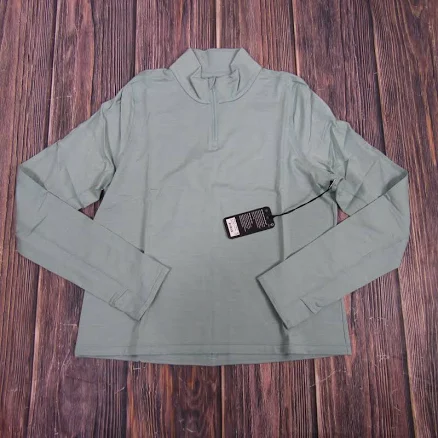
Allbirds
NWT Womens Medium Green Natural Run Mid Layer 1/4 Zip Jacket
- Merino wool blend (natural fiber)
- We found no PFAS statement from the brand
- Azo dyes and synthetic dye residue
3 hazards checked on this product. See all of them.
More ski & snowboard jackets grades
How we score, every product runs through the same public 0-100 rubric based on materials, coatings, brand disclosure, lab findings, and recalls. See the full methodology → Spotted a mistake? Report an error.