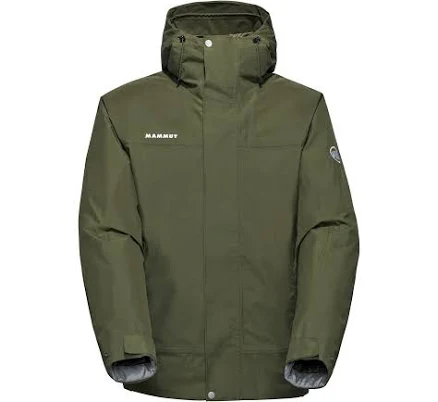
Mammut · Ski & Snowboard Jackets
Mammut Men's Treeline HS Thermo Hooded Down Jacket
Down jackets typically use water-repellent coating coatings. Mammut's silence on PFAS leaves concern.
Treeline HS uses down insulation with treated synthetic shell and water-repellent coating finish. Mammut does not disclose its water-repellent coating chemistry or PFAS status.
Still want this one anyway? Check the price on Amazon. We’d swap it.
Material
Down insulation with synthetic shell (nylon); water-repellent coating (water-repellent coating) finish
Brand disclosure
Brand is silent on PFAS
Lab data
No public lab test
What Mammut Men's Treeline HS Thermo Hooded is made of, ingredients and materials
This jacket combines natural down insulation with a synthetic nylon shell and a water-repellent coating (water-repellent coating) finish. Down itself is not a material linked to PFAS; nylon is stable polyester with lower concern for leaching in normal use. The water-repellent coating is the critical variable, traditional fluorocarbon-based water-repellent coating formulations contain PFAS, which persist in the environment and bioaccumulate. Modern alternatives (wax-based or fluorine-free polymers) exist but Mammut has not publicly specified which it uses here.
What’s concerning
Category baseline
The starting point for this type of product, before anything specific to this product is counted.
No PFAS disclosure
No public statement from the brand about PFAS in this product.
Waterproof / stain-resistant treatment
Water-repellent coating treatments have historically used PFAS.
PFAS
Nylon water-repellent coating finish likely contains fluorocarbon-based compounds; Mammut does not disclose chemistry, so fluorine-free status cannot be confirmed. User exposure is dermal and minimal in normal wear; environmental release occurs mainly during manufacture and laundering.
Source, ATSDR ↗What’s reassuring
Down sourcing and hygiene
No credible reports of contamination in Mammut down products. Down is sourced and processed industrially; allergic reactions to down are rare and typically individual sensitivity rather than product defect.
Nylon degradation and microfiber shedding
Synthetic nylon shells do shed microfibers with wear and washing, but this is inherent to all synthetic textiles and not specific to Mammut. No established health hazard from wearing microfiber-shedding apparel; environmental fate is a separate concern.
Dyes and colorants
No recalls or incidents linked to azo dyes or heavy metal colorants in Mammut jackets. Industrial dye standards in EU manufacturing are robust, and no specific risk is documented for this model.
Thermal decomposition of shell (extreme heat exposure)
Nylon softens around 180°C but poses no acute hazard during normal wear or machine washing (water max 60°C recommended). Fire risk is negligible in consumer use; not relevant for this product.
The full breakdown
The brand's record and disclosure
Mammut is a Swiss heritage outdoor brand with solid build reputation but minimal public commitment to PFAS phase-out. The company does not advertise PFAS-free certification (unlike some competitors who explicitly tout fluorocarbon-free water-repellent coating). No major recalls or contamination incidents are documented for this model. Mammut's silence on water-repellent coating chemistry is a disclosure gap rather than evidence of harm, but suggests low priority on this issue for their product line.
How it compares in its category
Most ski jackets in this price-performance tier use water-repellent coating coatings; the Treeline HS is typical for Mammut's line. Competitors like Arc'teryx and Patagonia increasingly market PFAS-free alternatives, though at higher price points. If PFAS exposure through textiles is a priority for you, seeking brands with explicit fluorocarbon-free labeling (Paragon, Fjallraven) is advisable. For users unconcerned with PFAS, this jacket's durability and weather performance are well-regarded.
If you buy it
Wash sparingly in cold water and air-dry to extend water-repellent coating life and minimize any potential leaching during laundering. Avoid dry-cleaning, which may use aggressive solvents. The water-repellent coating degrades over 2-5 years with use and washings; once beading stops, performance drops but the jacket remains wearable (re-treatment with aftermarket products is possible). Store dry and uncompressed when not in use to avoid mildew and fabric stress.
What we don’t know
- Basis
- Model estimate, 62% confidence, not a lab result
- Lab test
- None on record for this exact product
- Brand statement
- Mammut has made none
Formulations change between production runs, so check the current label. How we grade.
Better-graded alternatives in Ski & Snowboard Jackets
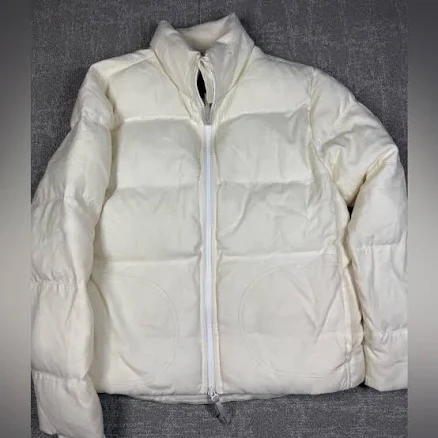
Allbirds
Jackets & Coats Allbirds Full Zip Wool Blend Puffer Jacket Women Size Small
- Wool blend with synthetic fill (likely polyester)
- We found no PFAS statement from the brand
- water-repellent coating (water-repellent coating) coating composition
3 hazards checked on this product. See all of them.
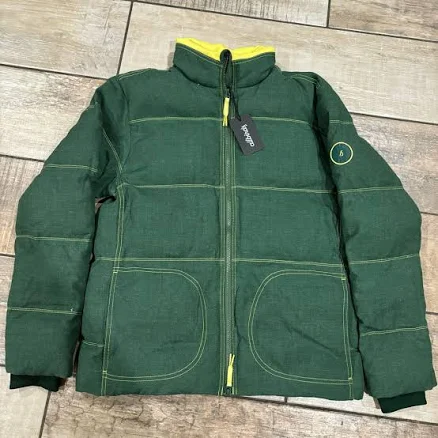
Allbirds
Jackets & Coats Allbirds Men's Trino Puffer Jacket Full Zip Wool Blend Forest Green Coat Size Sm
- wool blend (natural fiber dominant)
- We found no PFAS statement from the brand
- water-repellent coating (water-repellent coating) treatment - undisclosed chemistry
2 hazards checked on this product. See all of them.
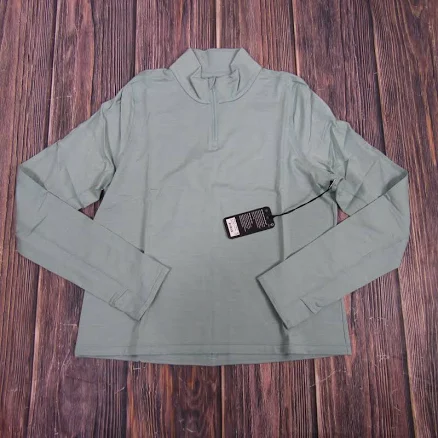
Allbirds
NWT Womens Medium Green Natural Run Mid Layer 1/4 Zip Jacket
- Merino wool blend (natural fiber)
- We found no PFAS statement from the brand
- Azo dyes and synthetic dye residue
3 hazards checked on this product. See all of them.
More ski & snowboard jackets grades
How we score, every product runs through the same public 0-100 rubric based on materials, coatings, brand disclosure, lab findings, and recalls. See the full methodology → Spotted a mistake? Report an error.