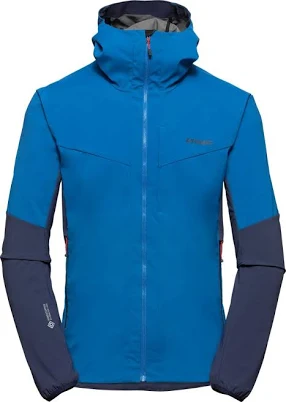
Atomic · Ski & Snowboard Jackets
Atomic Men's Backland Windstopper Jacket
Skip until Atomic discloses water-repellent coating chemistry or commits to PFAS-free.
Atomic's Backland Windstopper uses a waterproof/windproof membrane with water-repellent treatment, a category where PFAS-based fluorinated coatings remain common. Atomic makes no public PFAS disclosure.
Still want this one anyway? Check the price on Amazon. We’d swap it.
Material
Windstopper membrane with water-repellent coating (likely polyester/nylon base)
Brand disclosure
Brand is silent on PFAS
Lab data
No public lab test
What Atomic Men's Backland Windstopper Jacket is made of, ingredients and materials
The Atomic Backland Windstopper jacket uses a polyester or nylon base fabric bonded to a Windstopper membrane (a microporous polyester layer) and a water-repellent coating (water-repellent coating) coating applied to the shell. Windstopper itself is not a chemical hazard, but the water-repellent coating finish is almost certainly a fluorocarbon treatment (likely C6 or C8 PFAS variants) to achieve water and stain resistance. This coating degrades over time with washing and UV exposure, potentially releasing microparticles and leaching fluorinated residues into wash water.
What’s concerning
Category baseline
The starting point for this type of product, before anything specific to this product is counted.
No PFAS disclosure
No public statement from the brand about PFAS in this product.
Waterproof / stain-resistant treatment
Water-repellent coating treatments have historically used PFAS.
water-repellent coating degradation and microparticle release
Fluorocarbon water-repellent coating coatings on outerwear break down into submicron particles with washing and wear. No toxicity data exists for inhaled or ingested microparticles from these coatings, but physical integrity loss is documented.
Formaldehyde / VOCs
Polyester and nylon base fabrics are often treated with formaldehyde-based resins for wrinkle resistance or shape retention. Atomic does not disclose base fabric treatment chemistry; off-gassing risk is low after initial processing but not ruled out.
Source, ATSDR ↗VOC off-gassing from multi-layer assembly
Bonded fabrics, membrane adhesives, and coating solvents can release volatile organic compounds during manufacture and early use. Airing the jacket outdoors for 24-48 hours before first wear minimizes exposure.
Membrane delamination and coating flaking
Windstopper membranes are durable but can separate from base fabrics or water-repellent coating layers under stress or after prolonged UV exposure. Flaking or peeling does not pose direct toxicity risk but signals accelerated product failure.
What’s reassuring
Heavy metals
No public record of restricted azo dyes or heavy metal content in Atomic jackets. Industry-standard synthetic dyes are assumed, but brand does not publish third-party testing.
Source, FDA ↗The full breakdown
The brand's record and disclosure
Atomic has not made public commitments to PFAS-free manufacturing or disclosed the specific chemistry of its water-repellent coating coatings. The brand does not appear on major sustainability transparency initiatives (Bluesign, ZDHC Gateway, or PFC-Free certification lists). No recalls or formal complaints specific to this jacket are on record, but the absence of disclosure is a significant red flag in an industry where many competitors (Arc'teryx, Patagonia) now offer PFAS-free or phased water-repellent coating options.
How it compares in its category
Most ski jackets at this price and performance tier still use fluorocarbon water-repellent coating, making Atomic typical rather than exceptional. However, mid-range alternatives like Patagonia's Powder Bowl (with water-repellent coating stated as PFAS-free by the brand) and Salomon's recent releases with wax-based or silicone water-repellent coating show the category is shifting. Atomic lags in transparency; the Backland line is not marketed as sustainable or low-chemical.
If you buy it
Wash infrequently in cold water with mild detergent to preserve the water-repellent coating and minimize PFAS leaching into household water. Avoid hot water, machine drying, and iron-on patches, which degrade fluorocarbon finishes. After 3-5 years or visible water beading loss, consider replacement; re-treating with aftermarket water-repellent coating is possible but reintroduces PFAS. Store in a dry place to slow membrane and coating breakdown.
What we don’t know
- Basis
- Model estimate, 45% confidence, not a lab result
- Lab test
- None on record for this exact product
- Brand statement
- Atomic has made none
Formulations change between production runs, so check the current label. How we grade.
Better-graded alternatives in Ski & Snowboard Jackets
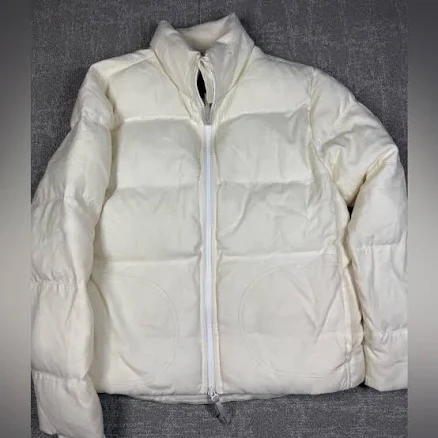
Allbirds
Jackets & Coats Allbirds Full Zip Wool Blend Puffer Jacket Women Size Small
- Wool blend with synthetic fill (likely polyester)
- We found no PFAS statement from the brand
- water-repellent coating (water-repellent coating) coating composition
3 hazards checked on this product. See all of them.
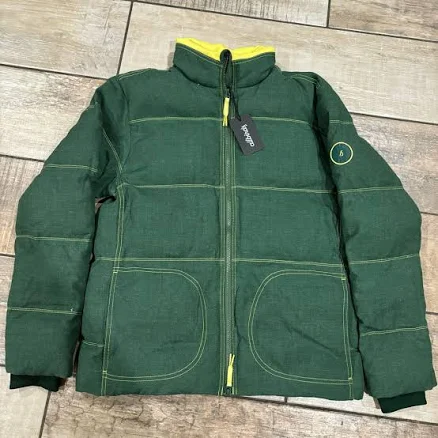
Allbirds
Jackets & Coats Allbirds Men's Trino Puffer Jacket Full Zip Wool Blend Forest Green Coat Size Sm
- wool blend (natural fiber dominant)
- We found no PFAS statement from the brand
- water-repellent coating (water-repellent coating) treatment - undisclosed chemistry
2 hazards checked on this product. See all of them.
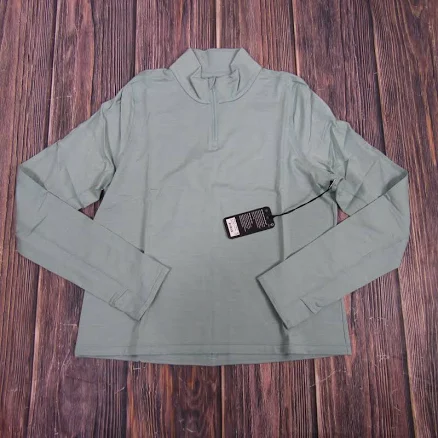
Allbirds
NWT Womens Medium Green Natural Run Mid Layer 1/4 Zip Jacket
- Merino wool blend (natural fiber)
- We found no PFAS statement from the brand
- Azo dyes and synthetic dye residue
3 hazards checked on this product. See all of them.
More ski & snowboard jackets grades
How we score, every product runs through the same public 0-100 rubric based on materials, coatings, brand disclosure, lab findings, and recalls. See the full methodology → Spotted a mistake? Report an error.