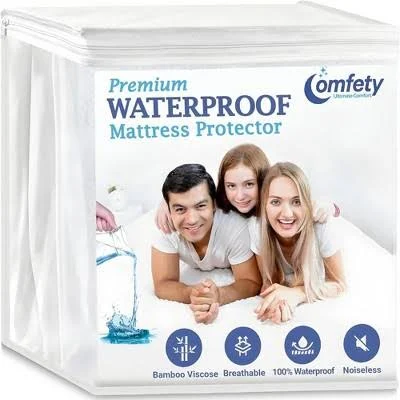
Waterproof Mattress Protector Bamboo Viscose Ultra Soft Leak-Proof Mattress Cover
Avoid until the brand discloses waterproof treatment.
This bamboo viscose protector features an unspecified waterproof coating, a common vector for PFAS in textiles. The brand makes no disclosure about treatment chemicals or PFAS status.
The better-graded swap

Brooklyn Bedding
Brooklyn Bedding Mattress Encasement, Twin
75/100 safety
Same rubric that flunked this product. The swap earned Excellent.
Still want this one anyway? Check the price on Amazon. We’d swap it.
Material
Bamboo viscose with unspecified waterproof coating/backing
Brand disclosure
Brand is silent on PFAS
Lab data
No public lab test
Is Waterproof Mattress Protector Bamboo non-toxic? What it is made of
This protector combines bamboo viscose (a cellulose fabric made by dissolving bamboo pulp in chemical solvents) with an unspecified waterproof backing or coating. Bamboo viscose itself is not inherently toxic, but the manufacturing process uses sodium hydroxide and carbon disulfide, which pose worker and environmental risks if not properly contained by mills. The critical unknown here is the waterproof treatment, the brand does not disclose whether it uses PFAS-based coatings (common in leak-proof textiles) or alternatives like polyurethane or silicone with lower concern for PFAS.
What’s concerning
Category baseline
The starting point for this type of product, before anything specific to this product is counted.
Vague safety claims only
Uses vague language ("eco-friendly", "clean") without a specific PFAS statement.
Waterproof / stain-resistant treatment
Water-repellent coating treatments have historically used PFAS.
Undisclosed waterproof coating composition
The brand does not specify whether the waterproof backing uses PFAS (perfluorinated compounds), polyurethane, silicone, or another chemistry. Given the brand's poor PFAS safety grade and industry prevalence of PFAS in leak-proof textiles, a PFAS-based coating is a material risk.
Coating degradation and skin contact
Repeated washing, heat exposure, or physical wear can cause synthetic waterproof coatings to break down, crack, or delaminate over time. This exposes users (especially those with sensitive skin or children) to microparticles or residual chemicals from the degrading coating.
Off-gassing from synthetic backing
Unspecified synthetic waterproof backings (polyurethane, polyvinyl chloride, or PFAS-coated fabrics) commonly emit volatile organic compounds (VOCs) when new. This is especially relevant for mattress protectors, which rest directly on a sleeping surface and are in close proximity to the face during extended use.
What’s reassuring
Formaldehyde / VOCs
No specific formaldehyde reports for products are on record. However, some bamboo viscose fabrics retain trace formaldehyde from finishing processes; the brand does not provide material safety data to rule this out.
Source, ATSDR ↗Flame retardants
No disclosed antimicrobial or flame-retardant treatments are listed for this product. If present but undisclosed, these could include bisphenols, heavy metals, or halogenated compounds, though no evidence of such use by this brand is available.
Source, EPA ↗The full breakdown
The brand's record and disclosure
The brand has provided no public disclosures on waterproof treatment chemistry, PFAS testing, or third-party certifications. The brand's PFAS safety grade of 35/100 reflects this silence and suggests either untested products or deliberate non-disclosure. No major recalls or safety controversies appear on record for this brand, but the absence of transparency on a moisture-barrier product is a significant red flag in a category where PFAS-based coatings remain standard industry practice.
How it compares in its category
Mattress protectors fall into a high-risk category for hidden PFAS because waterproofing almost always requires chemical treatment. Premium competitors (Bamboo Bliss, Helix, PlushBeds) publish PFAS-free or OEKO-TEX certifications; budget alternatives often remain silent like the brand. The viscose base is not a differentiator; what matters is the coating, and this brand's refusal to specify it puts it well below category leaders that have embraced disclosure.
If you buy it
Do not rely on this product without independent verification of its waterproof treatment. If purchased, air it for 48-72 hours before use to off-gas any volatile chemicals from the coating. Wash in cool water (not hot, which may degrade coatings prematurely) and dry flat or on low heat. Replace every 3-5 years or sooner if waterproofing fails, delamination appears, or odors persist; degradation can expose both the chemical coating and the viscose fabric to skin contact.
What we don’t know
- Basis
- Model estimate, 42% confidence, not a lab result
- Lab test
- None on record for this exact product
- Brand statement
- has made none
Formulations change between production runs, so check the current label. How we grade.
Better-graded alternatives in Mattress Protectors
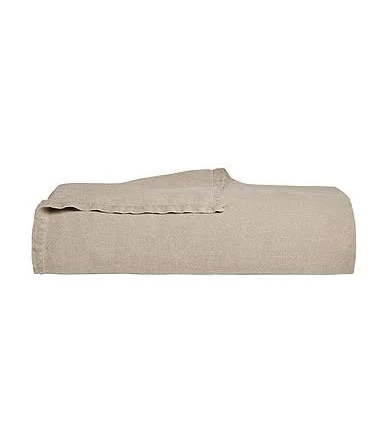
Parachute
Vintage Linen Bed Cover
- 100% linen, no reported coating
- We found no PFAS statement from the brand
- Heavy metals
3 hazards checked on this product. See all of them.
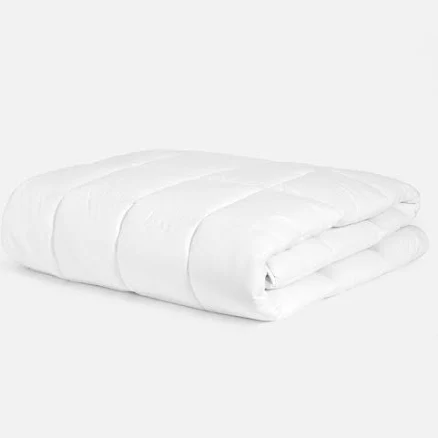
Brooklinen
Down Alternative Mattress Topper
- polyester down-alternative filling
- We found no PFAS statement from the brand
- Azo dyes and colorant migration
4 hazards checked on this product. See all of them.
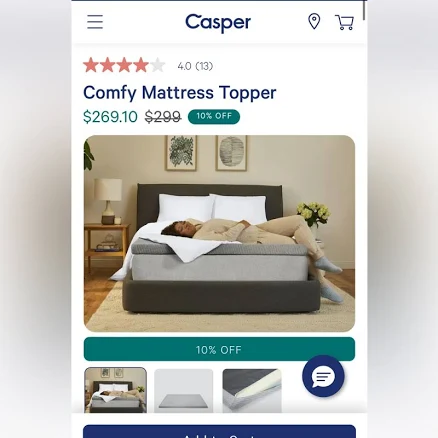
Casper
Sleep Comfy Mattress Topper
- Polyurethane foam, cotton/polyester blend cover
- We found no PFAS statement from the brand
- Volatile Organic Compound (VOC) off-gassing
3 hazards checked on this product. See all of them.
More mattress protectors grades
How we score, every product runs through the same public 0-100 rubric based on materials, coatings, brand disclosure, lab findings, and recalls. See the full methodology → Spotted a mistake? Report an error.