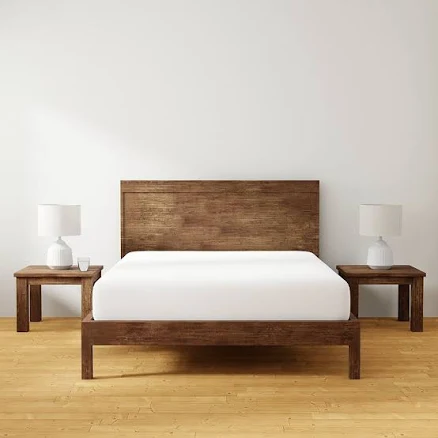
Sealy SimplySoft Waterproof Jersey Knit Mattress Protector
Skip unless Sealy confirms PFAS-free waterproofing, protectors commonly use fluorochemical water-repellent coating.
Sealy's SimplySoft waterproof treatment goes unexplained, creating uncertainty about PFAS in a product category known for fluorinated coatings.
The better-graded swap
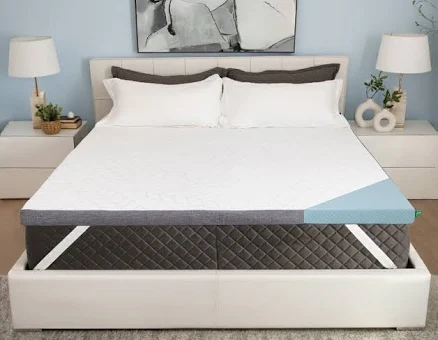
Sleepyhead
Sleepyhead 3 Gel-Infused Memory Foam Mattress Topper with Washable Cover
75/100 safety
Same rubric that flunked this product. The swap earned Excellent.
Still want this one anyway? Check the price on Amazon. We’d swap it.
Material
Jersey knit with waterproof treatment (composition not disclosed)
Brand disclosure
Brand is silent on PFAS
Lab data
No public lab test
Is Sealy SimplySoft Waterproof Jersey Knit non-toxic? What it is made of
This protector combines a jersey knit fabric (cotton-polyester blend typical for softness) with a waterproof backing layer. Sealy does not disclose whether the waterproof treatment uses fluorochemical water-repellent coating (water-repellent coating, usually PFAS-based) or alternative chemistries. Jersey knit itself is low-risk, but the waterproofing layer is where chemical hazards concentrate. Without transparency, you cannot verify whether PFAS-free methods were used.
What’s concerning
Category baseline
The starting point for this type of product, before anything specific to this product is counted.
No PFAS disclosure
No public statement from the brand about PFAS in this product.
Waterproof / stain-resistant treatment
Water-repellent coating treatments have historically used PFAS.
PFAS
Sealy has not disclosed waterproofing chemistry; fluorochemical water-repellent coating is standard industry practice for jersey knit protectors and carries inhalation and bioaccumulation risk. PFAS from worn or heated protectors can enter household air and dust.
Source, ATSDR ↗Microplastic shedding from polyester-blend jersey
Jersey knit protectors shed fine fibers during washing and use, especially in the polyester component. Volume is typically low for a protector (vs. fleece apparel), but cumulative shedding over years of weekly washing can contribute to household microplastic burden.
Coating degradation and waterproofing loss
Waterproof coatings on jersey knit protectors typically degrade after repeated washing (40-60 cycles typical before noticeable loss of water resistance). Degraded coatings may release particulates or alter chemical profile, though acute toxicity is not documented.
Allergen accumulation and mold growth
Waterproof protectors can trap moisture if not allowed to dry fully after washing or if used on humid mattresses. This can create conditions for dust mite colonization or mold, particularly in creases or seams; regular airing and proper drying reduce risk.
What’s reassuring
Formaldehyde / VOCs
Jersey knit textiles may contain formaldehyde resins used in dyeing and finishing; Sealy does not disclose finish chemistry. Formaldehyde off-gassing from new textiles typically fades within days to weeks and is not a major concern for this product class, but sensitive individuals may react.
Source, ATSDR ↗The full breakdown
The brand's record and disclosure
Beautyrest/Sealy has not published independent testing results or certifications confirming PFAS-free status for this product line. The company has remained silent on waterproofing chemistry across its protector range. No major recalls or safety incidents specific to SimplySoft protectors are on record, but lack of disclosure is itself a compliance and transparency gap that should weigh against purchase confidence.
How it compares in its category
Mattress protectors universally use some form of waterproofing; many mainstream brands (Allerease, SureGuard, Bedding Mart) also do not disclose PFAS status. Certified options like some Global Organic Textile Standard (GOTS) or Oeko-Tex certified protectors exist but are harder to find and cost more. The SimplySoft sits in the mid-market, budget-friendly space where fluorochemical water-repellent coating is industry default and rarely disclosed.
If you buy it
Mattress protectors typically see moderate heat (up to 60°C in washing); this may lower concerns about PFAS off-gassing during use compared to higher temperatures. Replace every 2-3 years or if waterproofing visibly degrades. Wash in cool or warm water, not hot, to minimize microfiber and chemical release. If cost is the only constraint, weigh the long-term health uncertainty against paying more for a brand with verified PFAS-free waterproofing (e.g., some certified organic or wool-topped alternatives).
What we don’t know
- Basis
- Model estimate, 35% confidence, not a lab result
- Lab test
- None on record for this exact product
- Brand statement
- Sealy has made none
Formulations change between production runs, so check the current label. How we grade.
Better-graded alternatives in Mattress Protectors
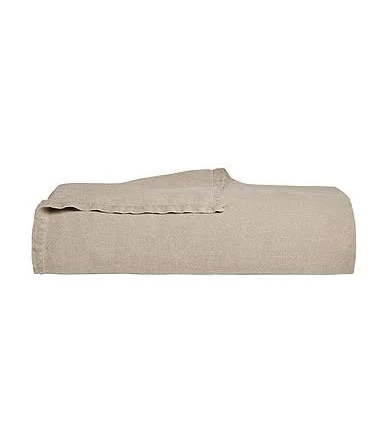
Parachute
Vintage Linen Bed Cover
- 100% linen, no reported coating
- We found no PFAS statement from the brand
- Heavy metals
3 hazards checked on this product. See all of them.
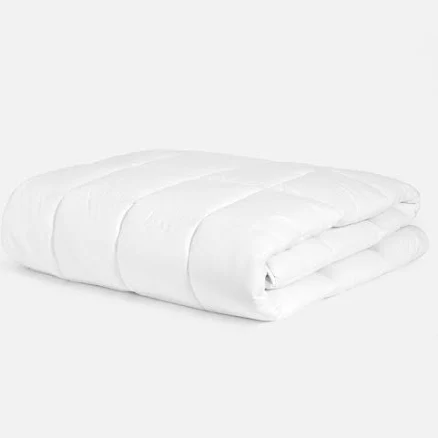
Brooklinen
Down Alternative Mattress Topper
- polyester down-alternative filling
- We found no PFAS statement from the brand
- Azo dyes and colorant migration
4 hazards checked on this product. See all of them.
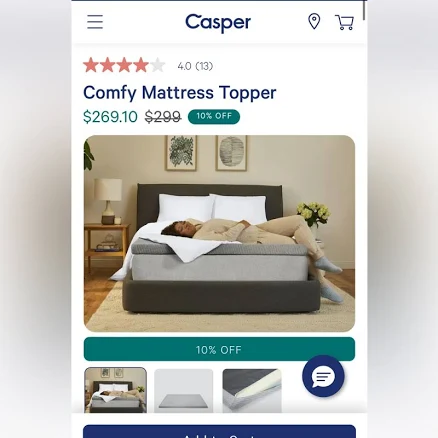
Casper
Sleep Comfy Mattress Topper
- Polyurethane foam, cotton/polyester blend cover
- We found no PFAS statement from the brand
- Volatile Organic Compound (VOC) off-gassing
3 hazards checked on this product. See all of them.
More mattress protectors grades
How we score, every product runs through the same public 0-100 rubric based on materials, coatings, brand disclosure, lab findings, and recalls. See the full methodology → Spotted a mistake? Report an error.