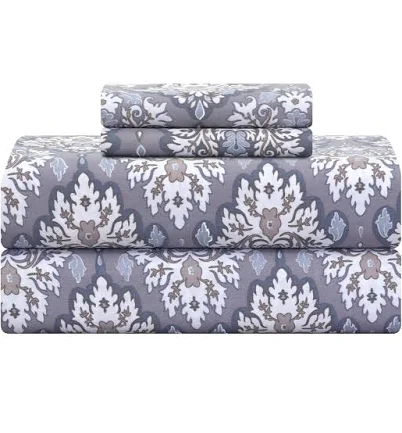
300 Thread Count Cotton Sateen Weave Printed Sheet Set
Lower PFAS concern for untreated cotton sheets without a finish treatment.
300 Thread Count Cotton Sateen sheets are basic printed cotton with no waterproof, stain-resistant, or nonstick finish disclosed. Plain cotton textiles carry lower PFAS risk unless a water or soil repellent is added, which the brand does not mention.
We flunk more products than we pass. This one earned its grade. How we grade
Material
100% cotton (sateen weave, printed)
Brand disclosure
Brand is silent on PFAS
Lab data
No public lab test
You may also be interested in
Top-graded picks in the categories readers replace first, every one scored on the same rubric.

- polypropylene filter housing, carbon/sediment cartridge
- We found no PFAS statement from the brand
- Bacterial growth in spent cartridges
3 hazards checked on this product, all on its full breakdown.

Aquasure
Premier Series 75 GPD Under Sink Reverse Osmosis Water Filtration System
- RO membrane, carbon filters, stainless steel housing
- We found no PFAS statement from the brand
- Bacterial and microbial growth in housing and filters
4 hazards checked on this product, all on its full breakdown.

Avocado
Vegan Mattress
- organic cotton, natural latex, coconut coir, recycled steel coils
- The brand calls it PFAS-free, which we have not verified
- Heavy metals
2 hazards checked on this product, all on its full breakdown.
What 300 Thread Count Cotton Sateen Sheet Set is made of, ingredients and materials
This sheet set is 100% cotton in a sateen weave (diagonal twill that creates a subtle sheen) with printed pattern. Sateen construction uses longer floats of yarn, making the fabric smoother and more lustrous than plain weave cotton. The key chemistry here is the dyes and pigments used in the printing process, not the fiber itself. Cotton sateen has no inherent toxicity; the risk profile depends entirely on how the fabric was dyed and printed.
What’s concerning
Category baseline
The starting point for this type of product, before anything specific to this product is counted.
No PFAS disclosure
No public statement from the brand about PFAS in this product.
Heavy metals
Printed cotton sheets may use conventional azo dyes (some can release aromatic amines under certain conditions) and pigment-based color. At 300 thread count and mass-market price, certification against toxic dyes (OEKO-TEX 100, GOTS) is not confirmed. Risk is minimized by washing before use and normal handling.
Source, FDA ↗Formaldehyde / VOCs
Mass-market printed cotton may use formaldehyde-based resin to set the print pattern, though stain-resistant finishes are not mentioned for this product. Formaldehyde release is highest before first wash. Risk is low if product carries no 'wrinkle-resistant' or 'stain-resistant' claims.
Source, ATSDR ↗Dye migration or color bleeding during wash
Low thread count cotton and print-on-white sateen may bleed dyes in early washes, especially if loose dyes were not thoroughly rinsed during manufacturing. This is not a health hazard but indicates incomplete dye set and potential for color transfer to skin or other fabrics.
What’s reassuring
Base material not linked to PFAS
The main material recorded for this product is not one associated with PFAS.
Residual processing chemicals from cotton production
Conventional cotton farming and fiber processing may involve pesticide residues or processing oils, but these are typically removed during dyeing and finishing. No specific recalls or contamination reports are on record for cotton sheets.
Antimony in polyester (if present in blend)
Product is stated as 100% cotton, so polyester antimony is not a concern. Verify fiber content on product label to confirm no undisclosed synthetic blend.
How is this PFAS grade calculated?
The brand's record and disclosure
The brand has not published detailed chemical disclosure or sustainability certifications for this product line. The brand does not advertise third-party testing (e.g., OEKO-TEX, GOTS) for these sheets. At the 300 thread count price tier, the product is unlikely to carry premium certifications. No recalls or formal hazard alerts specific to bed sheets are on public record.
How it compares in its category
Low thread count cotton sheets (under 600) from mass-market retailers typically use conventional dyeing and printing without stain-resistant coatings. This product avoids the PFAS and formaldehyde risks of chemically treated finishes that upgrade 'stain-resistant' or 'wrinkle-free' versions. Sateen weave cotton sheets at this price point are common and have a relatively low chemical burden compared to high-thread-count or blended fiber options.
If you buy it
Wash new sheets 1-2 times before first use to remove loose dyes and finishes. Use warm or cool water; high heat is unnecessary and can weaken cotton fibers. Avoid chlorine bleach, which can degrade cotton and intensify residual dyes. Replace when elastic fails or fabric shows pilling; cotton sateen typically remains usable for 2-3 years with standard care. Dry flat or on low heat to preserve sheen.
What is not known about PFAS in this product?
- Basis
- Model estimate, 78% confidence, not a lab result
- Lab test
- None on record for this exact product
- Brand statement
- has made none
Formulations change between production runs, so check the current label. How we grade.
More stain-resistant bed sheets grades
How we score, every product runs through the same public 0-100 rubric based on materials, coatings, brand disclosure, lab findings, and recalls. See the full methodology → Spotted a mistake? Report an error.